
How Yoga Supports Lower Back Flexibility and Mobility
Yoga does a lot for the body and mind. It helps build strength and it slows the breath so you can unwind after a long day.
The best part about doing yoga is that whether you’re twenty-five or seventy, a body that bends and turns with ease makes everyday tasks simpler. The lower back gains a great deal from this because it works closely with the hips, the hamstrings and the muscles along the spine. Yoga eases all of these areas together, which is why it suits the lower back so well.
Here is how regular practice helps:
- Low Lunge loosens the hips and hamstrings that pull on your lower back
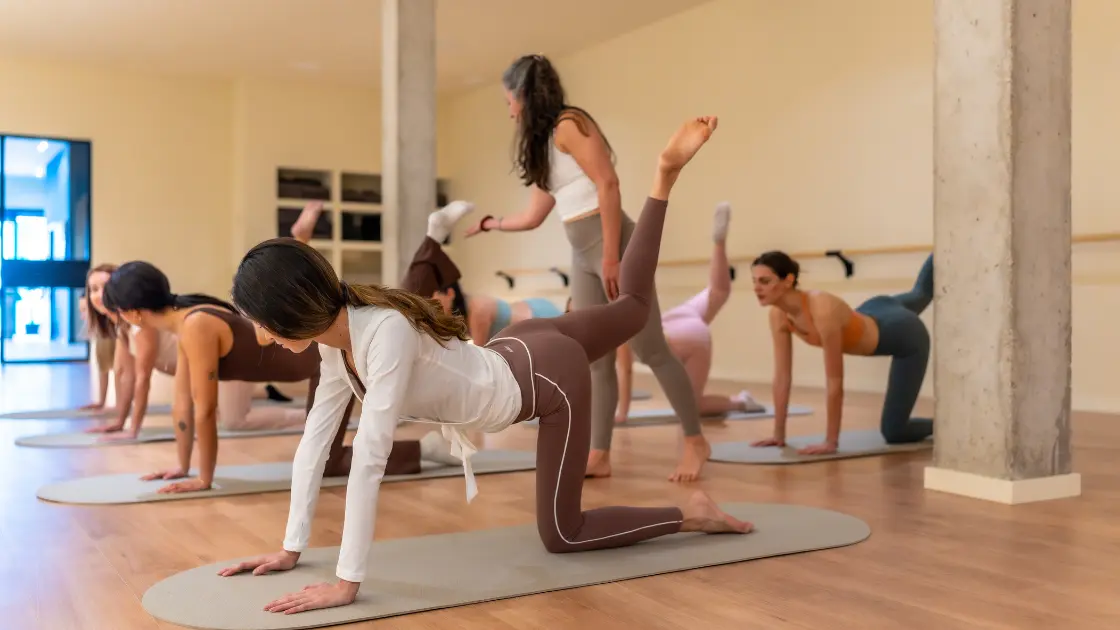
- Cat-Cow moves the spine through a comfortable range
- Bridge and Locust build strength in the glutes and back
- Holding a pose makes you notice how you sit, stand and bend
- Slow breathing helps tight spots let go
- Easier versions and props let you start at any level
Moreover, you can begin at any level of flexibility because it builds with practice. Yoga for flexibility and mobility works best in small, regular doses, so a few minutes a day beats one long session. It’s also crucial to understand that different styles of yoga suit different needs, and you can read about them in our guide to different types of yoga poses and their benefits. If you have severe or ongoing back pain, check with your doctor before you start.
7 Best Yoga Poses for Lower Back Flexibility and Mobility
These seven yoga exercises for lower back pain ease the hips, hamstrings and spine and practicing them for even a few minutes a day can help you gain more flexibility and mobility in your lower back.
(Marjaryasana-Bitilasana)
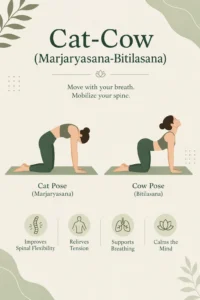
Cat-Cow moves the spine through flexion and extension repeatedly something most people stop doing the moment they sit at a desk all day. That repetitive loss of spinal movement is one of the most common contributors to lower back tightness, and this pose directly addresses it. It’s simple, low impact, and most people feel the difference within the first few rounds.
What it does:
Loosens the lower back, improves spinal mobility, and releases tension built up from prolonged sitting or standing.
How to do it:
- Start on all fours, wrists under shoulders, knees under hips
- Inhale, drop the belly toward the floor, and lift the chest and tailbone
- Exhale, round the spine toward the ceiling, and tuck the chin and tailbone
- Move slowly between the two, one breath per movement
- Repeat for 8 to 10 rounds
Child’s Pose (Balasana)
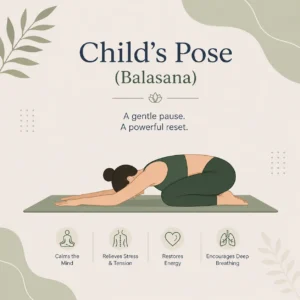
Child’s Pose is a resting posture that gently lengthens the lower back and decompresses the spine. When the hips sink back toward the heels, the lumbar vertebrae naturally separate creating space that relieves pressure built up from movement or prolonged sitting. It also stretches the hips and thighs, which directly affect lower back tension when they’re tight.
What it does:
Decompresses the lower spine, stretches the hips and glutes, and calms the nervous system.
How to do it:
- Kneel on the mat, big toes touching, knees hip-width apart
- Sink your hips back toward your heels
- Extend your arms forward and lower your forehead to the mat
- Breathe slowly and hold for 30 seconds to 2 minutes
Sphinx Pose (Salamba Bhujangasana)
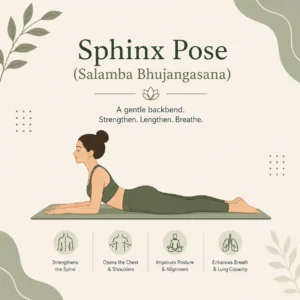
Most people who sit for long hours gradually lose the natural curve in their lower back without realizing it. Sphinx Pose works to restore that curve gently, strengthening the spinal extensors while keeping the lower back supported throughout. It’s one of the more accessible backbends for anyone dealing with lower back discomfort.
What it does:
Restores the lumbar curve, strengthens the lower back muscles, and gently opens the chest and abdomen.
How to do it:
- Lie face down with legs extended behind you
- Place forearms on the mat, elbows under shoulders
- Inhale and lift your chest, keeping your forearms grounded
- Keep your neck long and shoulders away from your ears
- Hold for 30 seconds to 2 minutes, breathing steadily
Low Lunge (Anjaneyasana)
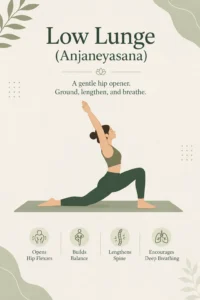
Tight hip flexors are one of the most overlooked contributors to lower back pain. Hours of sitting shorten these muscles and over time that tightness pulls on the lumbar spine and shows up as persistent discomfort in the lower back. Low Lunge addresses this directly by stretching the hip flexors of the back leg, releasing the tension that travels up to the spine.
What it does:
Stretches the hip flexors, releases tension in the lower back, and improves hip mobility.
How to do it:
- Step one foot forward between your hands, knee directly over the ankle
- Lower the back knee to the mat
- Sink the hips forward and down until you feel a stretch in the front of the back hip
- Keep the torso upright and hold for 30 to 60 seconds on each side
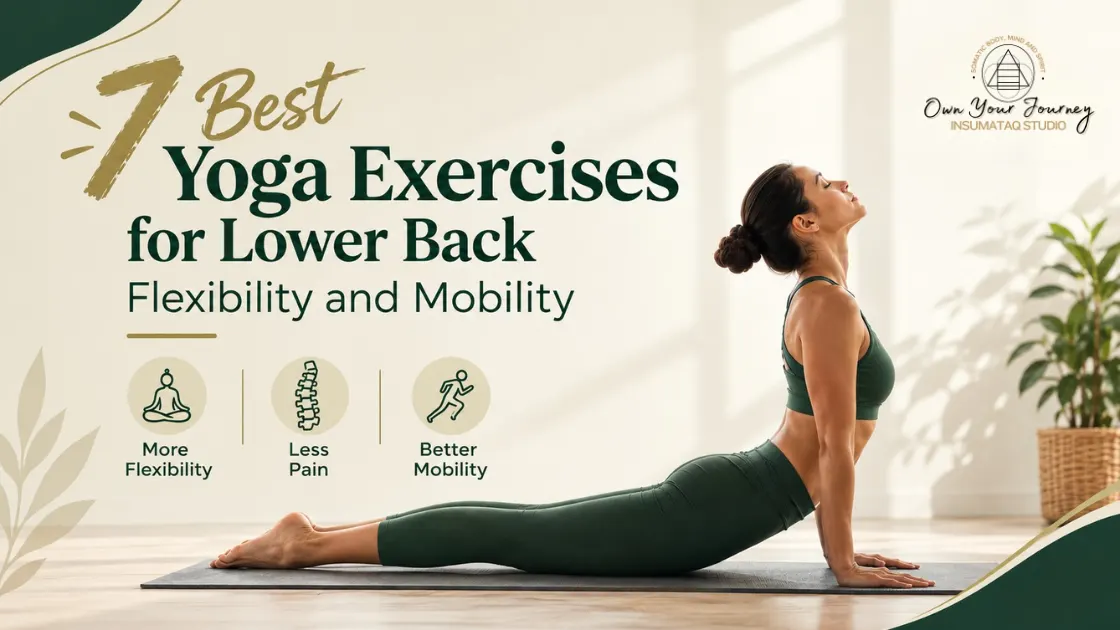
Cobra Pose (Bhujangasana)
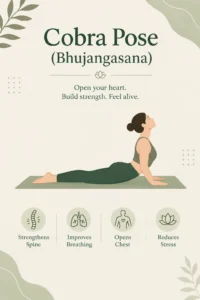
Cobra Pose strengthens the muscles along the lower back while gently extending the spine. It counteracts the forward rounding that builds up from sitting and over time helps restore both strength and mobility to the lumbar region.
What it does:
Strengthens the lower back muscles, extends the spine, and counteracts the effects of prolonged sitting.
How to do it:
- Lie face down with palms flat on the mat beside your shoulders
- Press gently through your hands and lift your chest off the floor
- Keep your elbows slightly bent and shoulders away from your ears
- Hold for 15 to 30 seconds, lower down slowly, repeat 2 to 3 times
Locust Pose (Salabhasana)
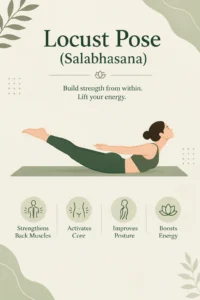
Most lower back pain conversations focus on stretching but weakness is just as often the cause. Locust Pose builds strength in the muscles that run along either side of the spine, the ones responsible for keeping the back stable during everyday movement. It’s one of the few exercises of yoga for flexibility and mobility that actively strengthens the lower back rather than just releasing it.
What it does:
Strengthens the lower back, glutes, and hamstrings, and improves spinal stability.
How to do it:
- Lie face down, arms alongside your body, palms facing down
- Inhale and lift your chest, arms, and legs off the mat at the same time
- Keep your gaze down toward the floor to protect the neck
- Hold for 15 to 30 seconds, lower down slowly, repeat 2 to 3 times
Bridge Pose (Setu Bandha Sarvangasana)
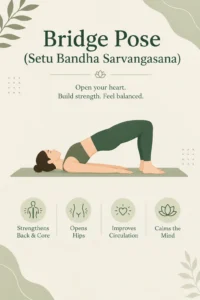
Bridge Pose strengthens the glutes, hamstrings, and lower back simultaneously while gently opening the hip flexors. Strong glutes take a significant amount of load off the lower back and most people who sit for long hours have glutes that are underactive and hip flexors that are overworked. This pose addresses both in a single movement.
What it does:
Strengthens the glutes and lower back, opens the hip flexors and stabilizes the pelvis.
How to do it:
- Lie on your back with knees bent, feet flat on the mat, hip-width apart
- Press through your feet and lift your hips toward the ceiling
- Squeeze your glutes at the top and keep your knees tracking over your toes
- Hold for 20 to 30 seconds, lower down slowly, and repeat 3 times
How to Build a Gentle Yoga Routine
Building a consistent routine matters more than doing any single pose perfectly. For lower back pain and mobility, short and regular sessions produce better results than occasional longer ones. Here’s a simple framework to start with:
- Frequency — 3 to 4 sessions a week is enough to notice real improvement in flexibility and pain
- Duration — 15 to 20 minutes per session is plenty for beginners
- Sequence — Start with Cat-Cow to warm up the spine, move through 3 to 4 poses, and finish with Child’s Pose or Legs Up the Wall
- Pace — Move slowly and stay in each pose long enough to feel it working. Rushing through a sequence defeats the purpose
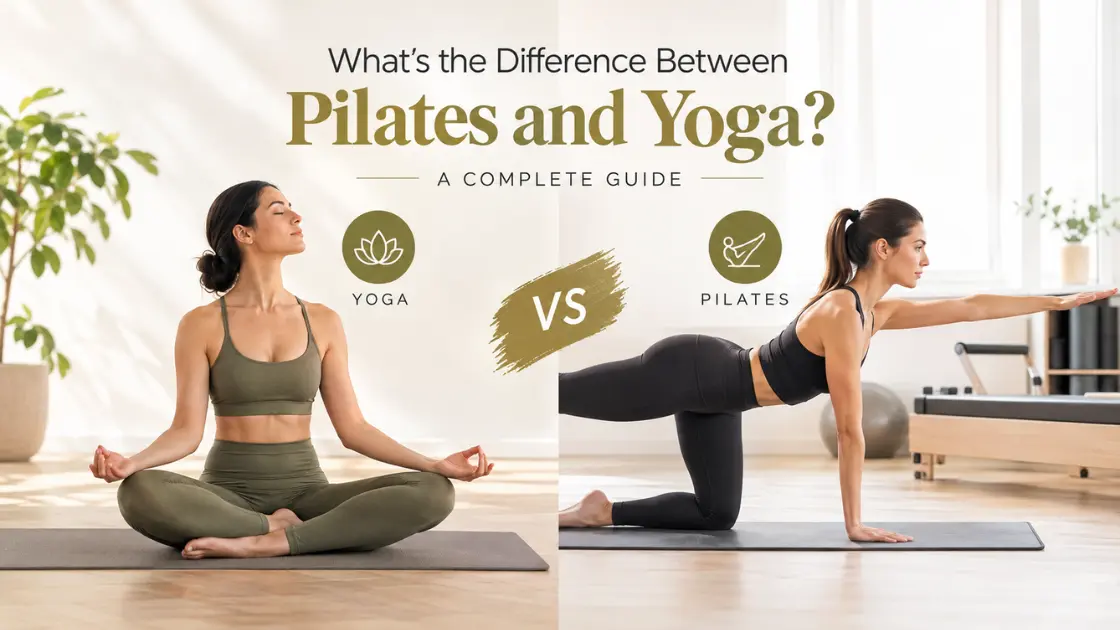
The style of yoga for flexibility and mobility you choose matters just as much as the poses themselves. A gentle or restorative approach tends to work best for lower back pain, particularly when you’re starting out. If you’re weighing a more active practice against a traditional one, Power Yoga vs. Traditional Yoga is worth reading before you decide.
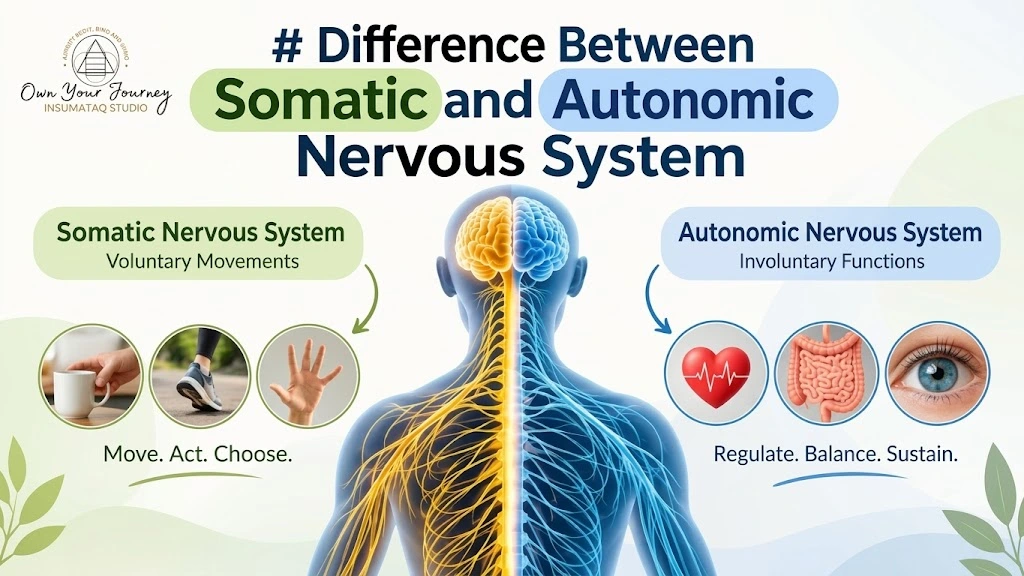
For people whose lower back tension runs deeper than muscle tightness where stress or unresolved patterns in the body play a role Somatic Yoga offers a slower, more body-aware practice that works on the nervous system alongside the muscles.
Conclusion
Lower back pain rarely comes from one thing alone it builds up over time through tight hip flexors, weak spinal muscles, prolonged sitting, and stress the body holds without releasing. The seven poses in this guide address all of that. Not overnight, but consistently and reliably with regular practice.
The key is showing up for it. Even 15 minutes three times a week produces real change in how the lower back feels and moves over time.
If you’re in Auburn, CA, and ready to experience this with proper guidance, Insumataq Studio is one of the yoga studios in Auburn, CA, where you can begin. Practicing with an instructor accelerates progress and ensures you’re moving in a way that supports your body rather than straining it.
Explore upcoming holistic wellness events at the studio, or book a wellness class in Auburn, CA today your first class is free.