
How Does PCOS Actually Affect the Female Body?
Most people hear “PCOS” and assume it’s just about irregular periods. But it’s not. PCOS is a hormonal and metabolic disorder that disrupts how the body regulates insulin, androgens, and the menstrual cycle – often all at the same time.
Women with PCOS commonly experience:
- Irregular or absent menstrual cycles
- Excess facial or body hair due to elevated androgens
- Acne and oily skin
- Thinning hair or hair loss on the scalp
- Weight gain, particularly around the abdomen
- Difficulty conceiving
- Fatigue and low energy levels
- Anxiety and depression
What makes PCOS particularly challenging is that managing it rarely comes down to one thing alone. Medication helps, but it doesn’t address everything – chronic stress, low physical activity, and poor sleep – all play a role in how symptoms show up day to day. That’s where supportive practices like yoga begin to make sense as part of a broader routine.
Why Is Yoga Specifically Beneficial for PCOS?
When cortisol stays elevated for long periods, it signals the adrenal glands to produce more androgens and pushes insulin resistance higher. That makes symptoms worse – not just emotionally but physically. And most forms of exercise don’t address this. But yoga practices built for women’s health and PCOS do.
What makes yoga for women’s health different is that the results show up in a tangible way. For women with PCOS, it addresses some of the things that medication often doesn’t – chronic stress, poor sleep, physical inactivity, and the emotional toll the condition takes over time. That’s what makes it a meaningful addition to a PCOS wellness routine, not just a form of exercise.
Benefits of Yoga for PCOS
Women who practice yoga consistently tend to notice real shifts over time – not overnight, but gradually. Here’s what changes:
- Cortisol comes down, and with it, the hormonal chaos that makes PCOS harder to manage
- The body starts responding to insulin better, which is often the root of weight struggles in PCOS
- Periods become more predictable as androgen levels gradually settle
- Skin clears, hair loss slows, and other androgen-driven symptoms lose some intensity
- Anxiety and low mood improve with regular nervous system regulation
- Lean muscle built through practice supports metabolism in a way cardio alone doesn’t
Five Yoga Poses That Stimulate Ovarian Health & Pelvic Floor Function
These five poses work directly on the pelvic region, reproductive organs, and stress response – making them particularly useful for women managing PCOS through movement.
Baddha Konasana (Bound Angle Pose)
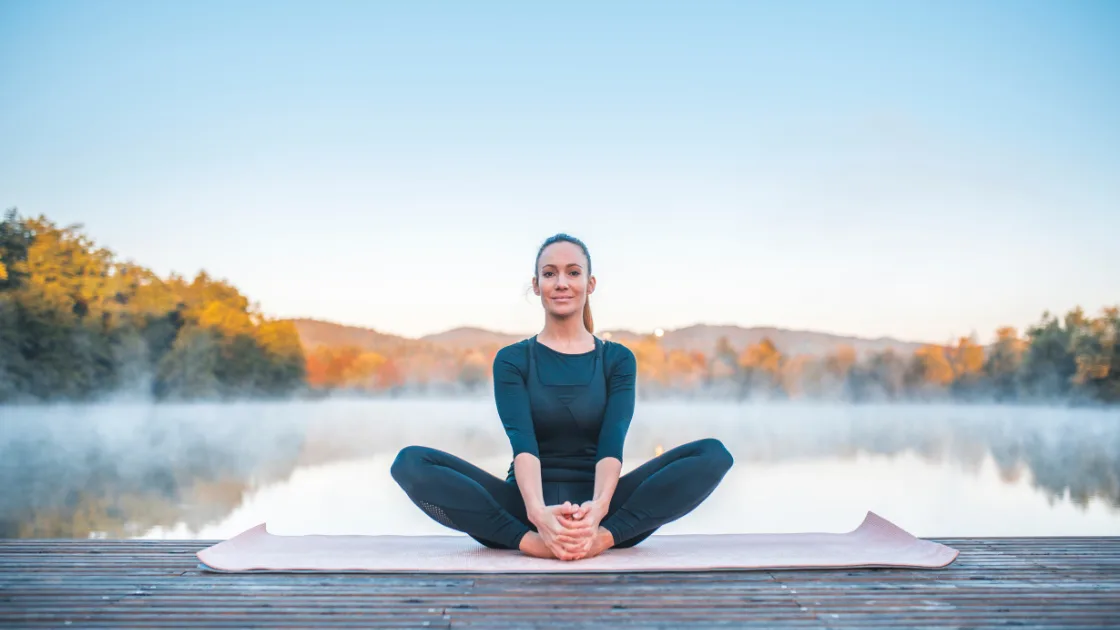
It’s a hip-opening pose that stretches the inner thighs and groin, which creates gentle pressure on the ovaries and fallopian tubes. This may help improve blood flow to the reproductive organs and regulate menstrual cycles.
How to do it:
- Sit on the mat and bring the soles of your feet together
- Let your knees fall out to the sides naturally
- Fold gently forward, hold for 5 to 10 breaths
Supta Virasana (Reclined Hero Pose)
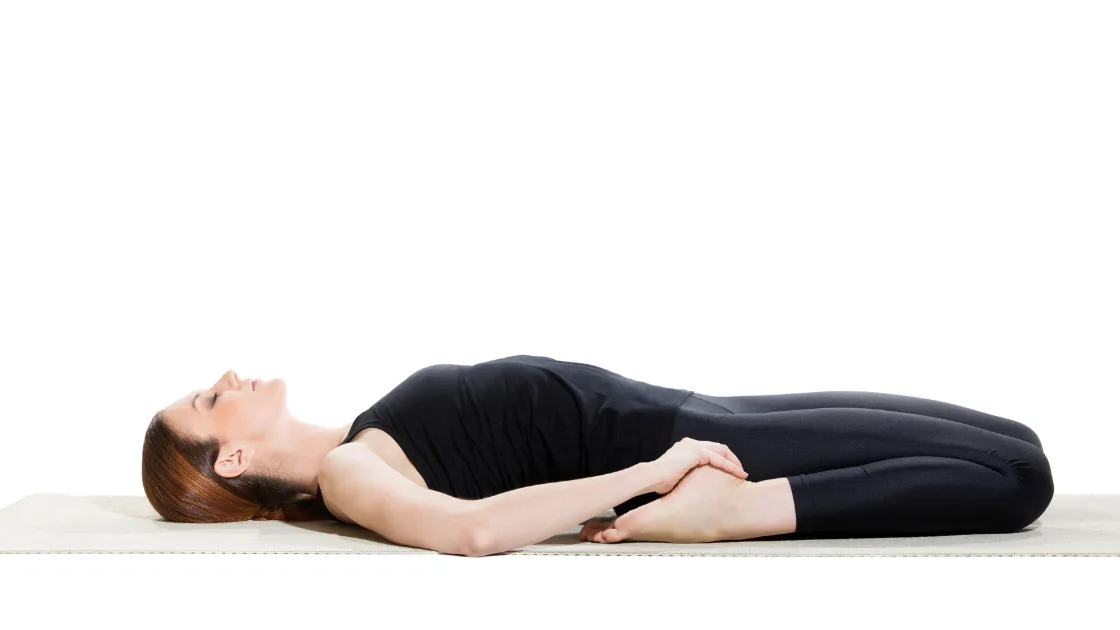
This pose deeply stretches the pelvic floor and hip flexors while the body stays completely at rest. It’s especially useful if you carry tension in your pelvic region – something many women with PCOS experience without realizing it.
How to do it:
- Start kneeling with feet slightly wider than your hips
- Slowly lean back onto your forearms, then lower fully to the floor if comfortable
- Hold for 2 to 5 minutes, breathing steadily
Viparita Karani (Legs-Up-the-Wall)
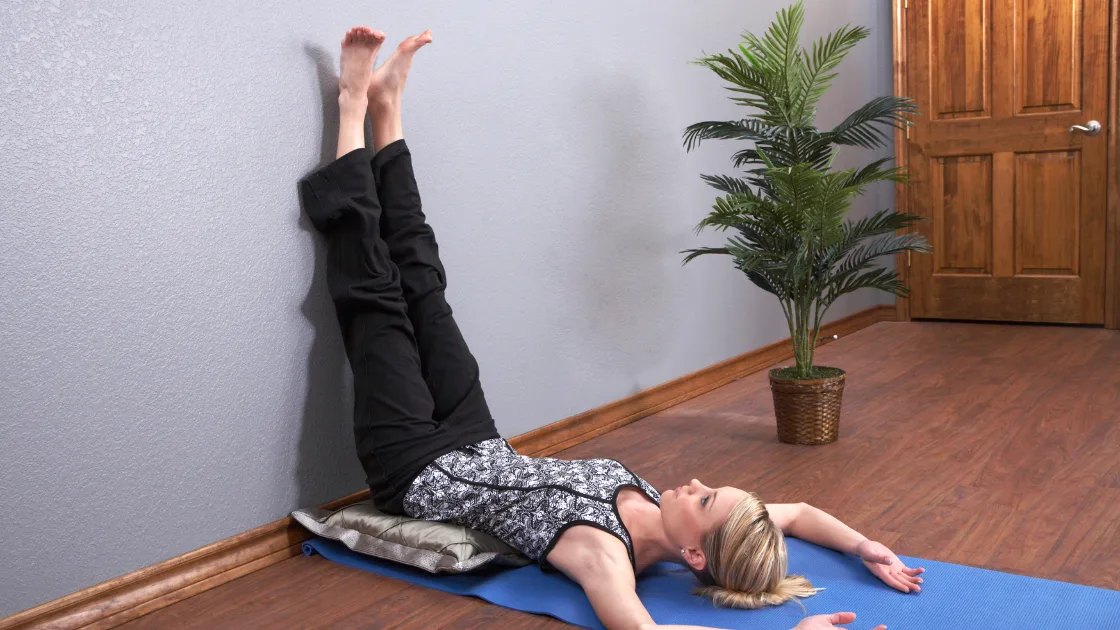
This simple inversion reduces pelvic congestion and improves blood flow back to the reproductive organs. For women with PCOS who spend most of their day in a heightened stress state, this pose shifts the nervous system in the opposite direction – toward rest and recovery.
How to do it:
- Lie on your back and rest your legs vertically against a wall
- Let your arms fall open at your sides
- Hold for 5 to 15 minutes daily
Malasana (Yogic Squat)
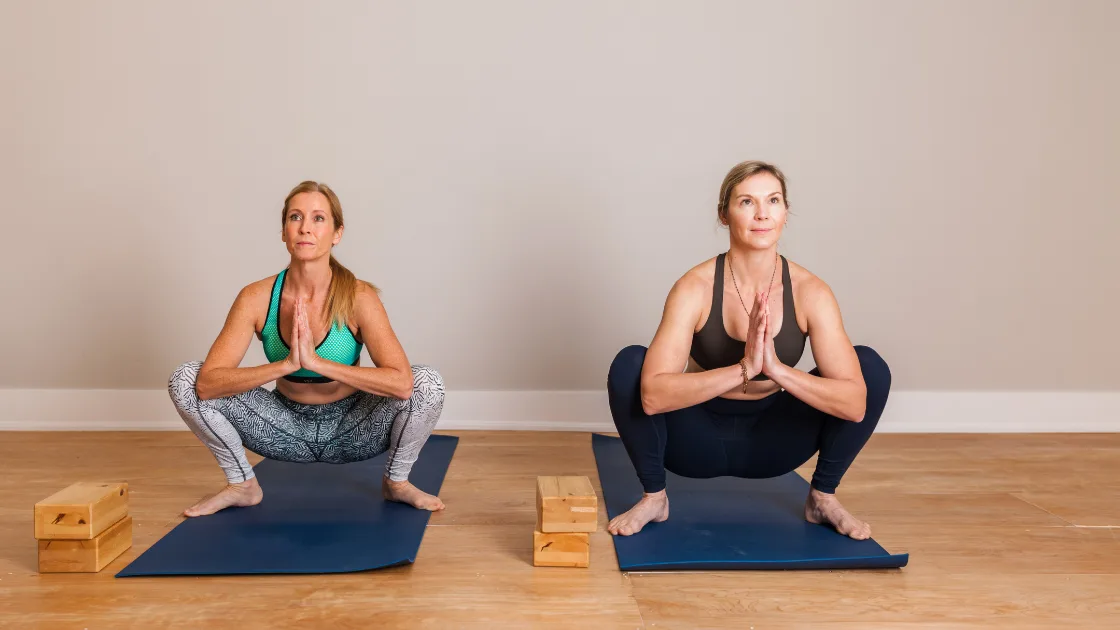
A deep squat that tones the pelvic floor, opens the hips, and naturally stimulates ovarian function. Women who practice this regularly often notice reduced menstrual discomfort and better circulation through the pelvic region.
How to do it:
- Stand with feet hip-width apart and sink into a deep squat
- Bring hands to heart, elbows pressing gently against inner knees
- Hold for 1 to 3 minutes; place a folded blanket under heels if needed
Paschimottanasana (Seated Forward Fold)
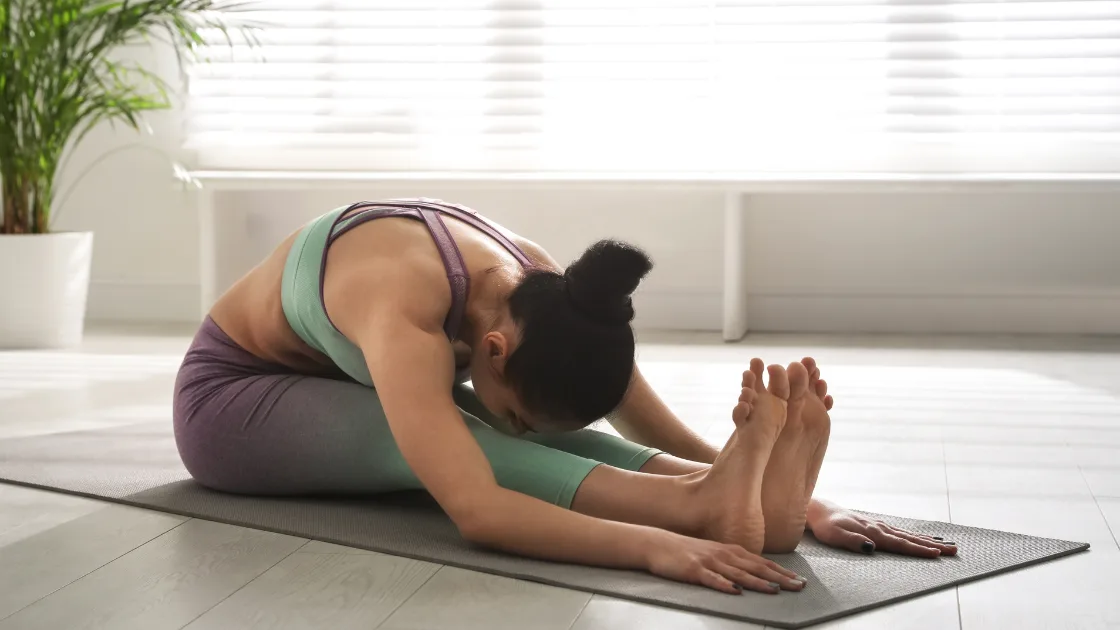
Forward folds gently compress the abdomen, which stimulates both the digestive and reproductive organs while the breath slows the nervous system down at the same time.
How to do it:
- Sit with legs extended straight in front of you
- Fold forward from the hips, holding your shins or feet
- Hold for 1 to 3 minutes, breathing deeply
Ultimately, it’s important to know that different yoga styles bring different benefits to the body – some more restorative, others more physically demanding. If you’re exploring which style fits best alongside your PCOS wellness routine, different types of yoga and their benefits is a good place to start.
Where Does Yoga Fit Alongside PCOS Treatment?
Conventional PCOS treatment that answers what is the medication for PCOS, usually involves a combination of hormonal contraceptives to regulate cycles, metformin to manage insulin resistance, and lifestyle changes to support overall health. They are legitimate options and for many women, they make a real difference.
However, yoga doesn’t replace any of that on its own. What yoga for PCOS does is address the area that medication may not fully reach, such as
- Chronic stress and elevated cortisol
- Nervous system dysregulation
- Anxiety, depression, and emotional well-being
- Physical inactivity and metabolic support
Women who combine regular yoga practice with their existing treatment plan often find their symptoms more manageable day to day. Somatic yoga in particular works well alongside PCOS treatment – because it focuses on how the body holds and processes stress. For women looking to go deeper into that connection, somatic therapy offers another layer of support beyond physical movement.
How Can You Track Your PCOS Progress With Yoga?
Progress with PCOS rarely shows up on a scale. The real shifts happen gradually, across different areas of health, and they’re worth paying attention to.
Here are some of the most meaningful signs that yoga for PCOS is working:
- Menstrual regularity— Cycles becoming more predictable within 2 to 3 months of consistent practice
- Sleep and energy— Better sleep and more sustained energy through the day, often within the first few weeks
- Skin and hair— Reduced acne and less excess facial hair, typically noticeable within 8 to 12 weeks
- Mood and stress— A calmer stress response and more emotional stability – often the first thing women notice
- Body composition— Less bloating, more muscle tone, gradual changes in how the body feels overall
- Metabolic markers— Improved insulin sensitivity confirmed through regular blood work with your healthcare provider
For women who want to go deeper into self-awareness alongside their wellness routine, personal growth retreats offer a more immersive way to reconnect with the body and reset.
Conclusion
PCOS symptoms – irregular cycles, fatigue, weight changes, anxiety – can feel like a lot to manage at once. Yoga addresses many of the underlying contributors that drive those symptoms. Stress comes down. Hormones start to settle. The body begins to feel more like something working with you, not against you.
For women who haven’t tried yoga as part of their PCOS routine yet, it’s worth starting. The practice is adaptable, the barrier to entry is low, and the benefits build the longer you stay consistent.
If you’re in Auburn, CA, Insumataq Studio is where that can begin. Explore upcoming holistic wellness events, find a session that feels right, or book a wellness class today – your first class is free. You can also explore everything we offer at our yoga studio in Auburn, CA.