

For hundreds of years, people have turned to yoga not just as a form of exercise but as a path to better physical as well as mental health.
When you start your day with gentle stretches, it awakens your muscles, improves your posture, and leaves your body feeling energized due to better blood circulation. As you indulge more into it, you will experience that yoga doesn’t just shape your body; it shapes the way you feel within your body.
With each mindful breath and pose, the mind begins to quiet, that mental chatter shuts, and stored tension releases from the body. Today, it is everywhere. You can find it in studios, online classes, community centers, workplaces, and even in the comfort of your own home. Plus, it’s emerging in countless forms to fit modern lifestyles. Few styles, for example, aerial yoga, laughter yoga, and yoga fused with meditation or strength training, are attracting new audiences as well as redefining what yoga can be.
In the countless array of yoga styles, it’s certainly challenging to determine which one will benefit you the most or is right for you. So, here are 15 types of yoga along with the unique benefits that each one provides.
If you’re looking for a yoga studio in Auburn, Insumataq Studio is the perfect place to start. Continue reading further to learn more!
Different Types of Yoga and Their Benefits
1. Vinyasa Yoga
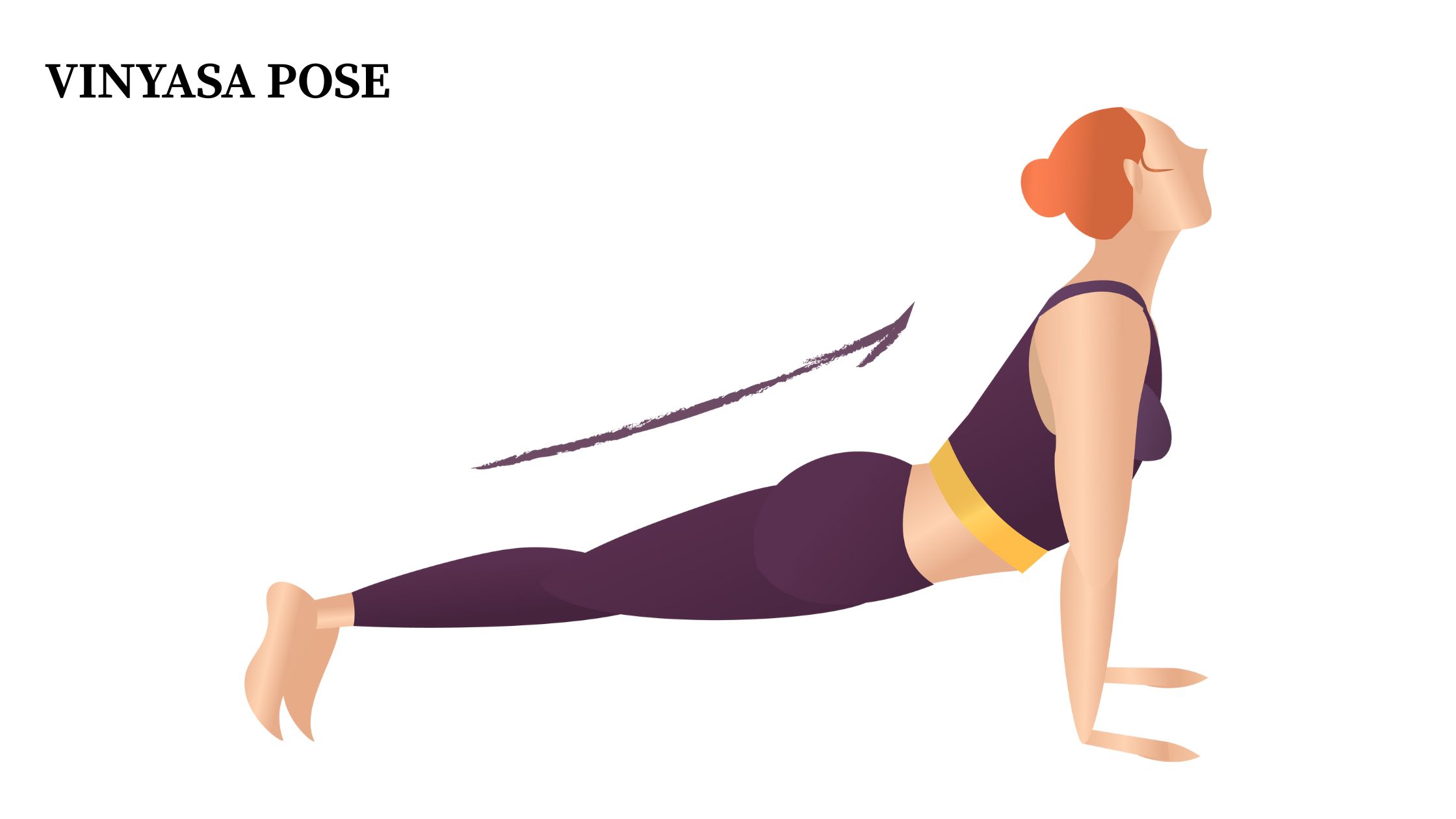
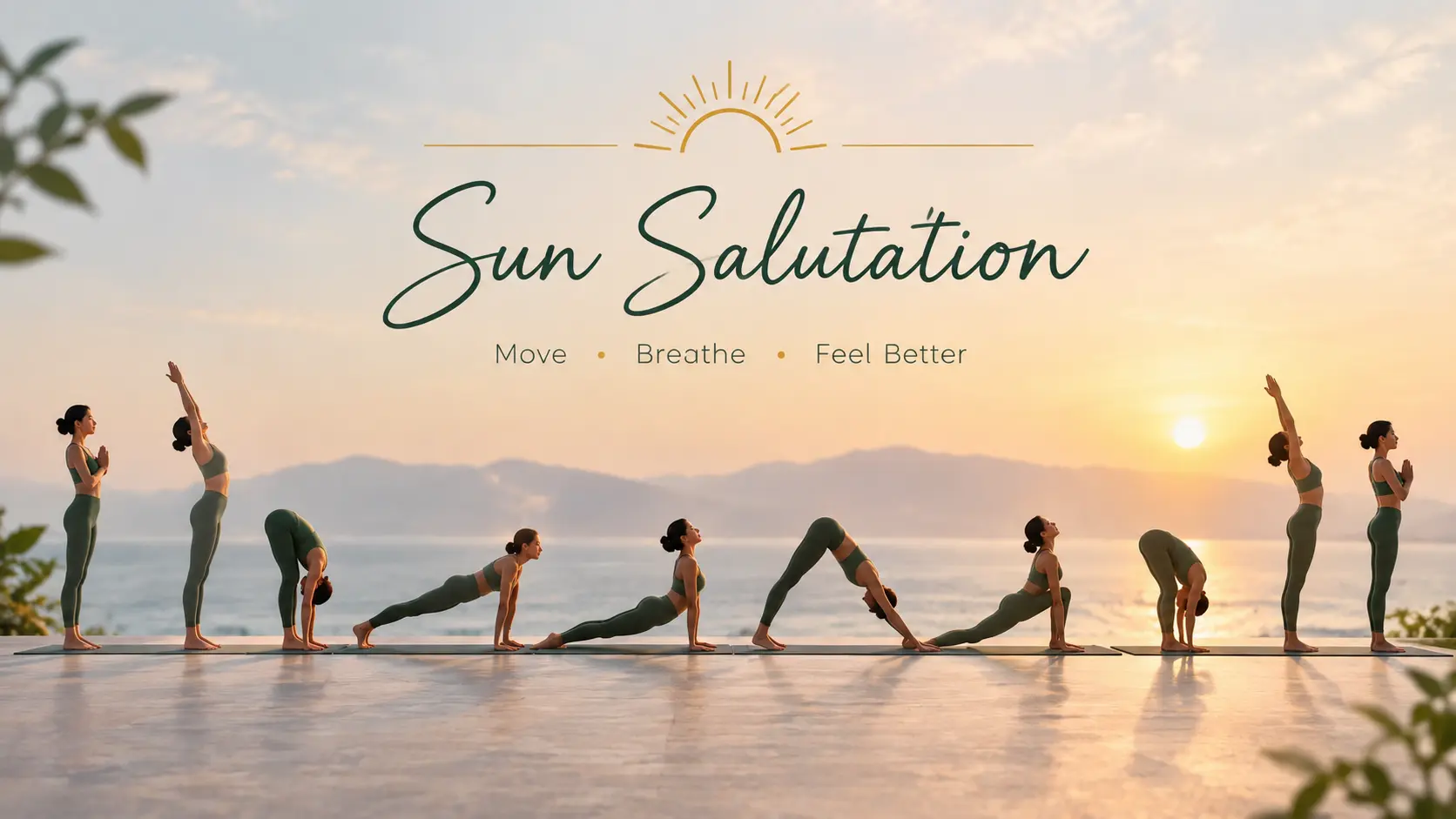
Vinyasa Yoga (often called “flow” yoga) involves a series of poses where each movement follows in a continuous sequence. It is considered more active than many other forms of yoga because each pose flows into the next with intention. This means you don’t stay still in one position. Instead, you move from one pose to the next in a gentle way.
How it looks: You move from one form to another in a repeated sequence of poses. It is a breath-based movement where each hold is shorter and fast-paced and requires full focus.
Benefits: Vinyasa Yoga flows gracefully from one pose to the next. It calms your mind, leaving you feeling refreshed, focused, and energized.
2. Hatha Yoga
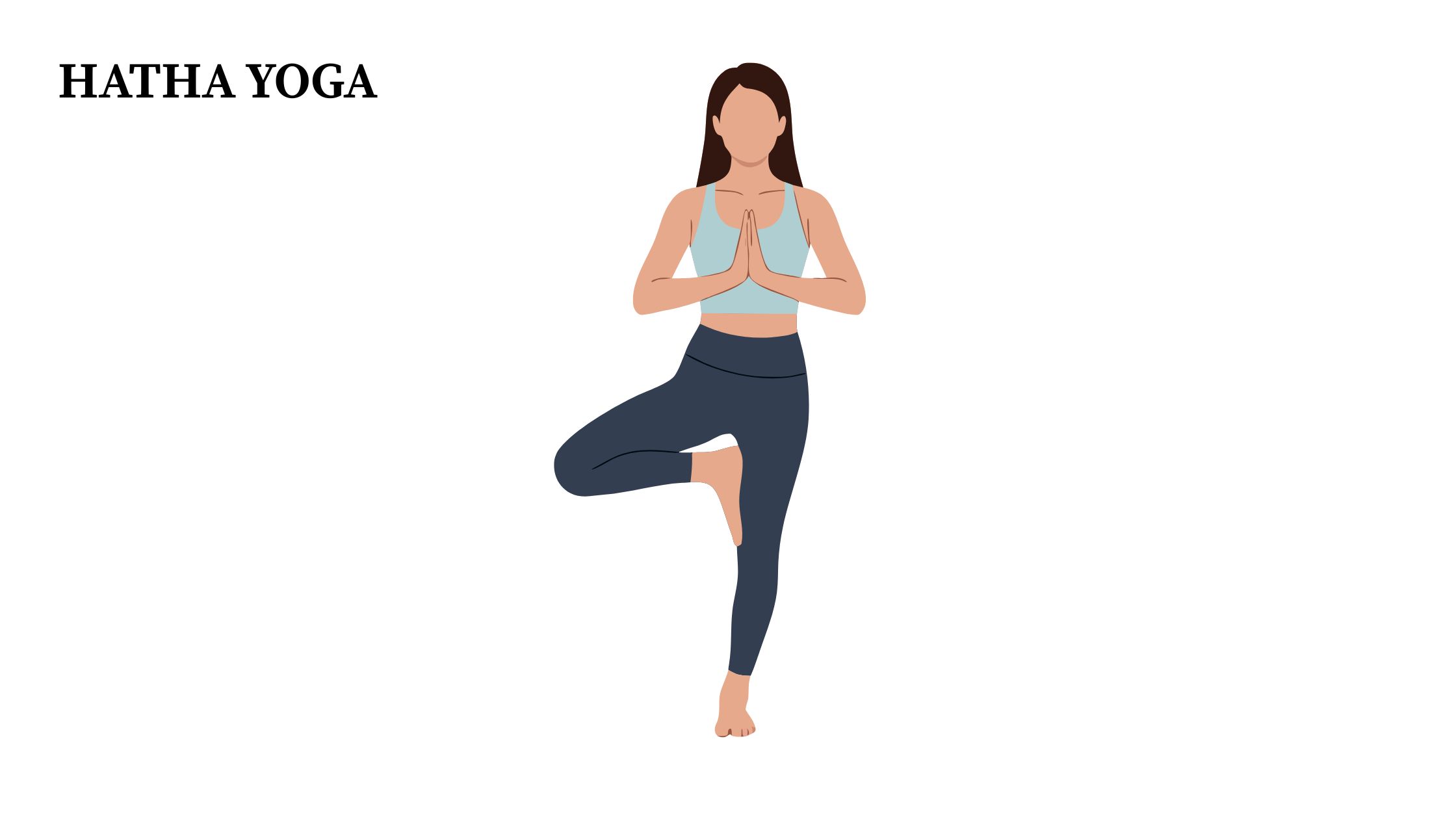
If you can picture the classic idea of yoga where there are slow movements, steady breathing, and peaceful energy, Hatha yoga is exactly that. The best part about Hatha yoga is it’s a style that meets you where you are. This is why it is considered a great starting point for beginners because of its slow-paced nature.
How it looks: You move from one posture to the next at a comfortable pace. You pause long enough in each pose to feel your alignment, your breath, and the gentle effort of your body.
Benefits: It improves flexibility, strengthens muscles as well as supports joint health without putting too much strain on your body.
3. Ashtanga Yoga

Ashtanga yoga is a structured and physically intensive form of yoga built around a set of sequences of poses. Instead of changing routines everyday, this style asks you to follow the same order every time, which helps you track your progress and gradually build strength, stamina, as well as focus. The practice is divided into several series (Primary, Intermediate, and Advanced) and each level becomes more demanding than the previous one.
How it looks: Ashtanga feels intense from the very beginning. Even the Primary Series challenges your balance, flexibility, and endurance. The rhythm is strong, energetic, and consistent, and the sequence does not vary, so over time your body begins to memorize each step.
Benefits: It helps you get stronger and more flexible and improves your balance as well as coordination. The challenging poses also tone your muscles and boost overall fitness.
4. Yin Yoga

You don’t move quickly from one position to another during Yin yoga. Instead, you settle into a posture and stay there for several minutes at a time. This gives your body the chance to gently stretch the area deeper that normally doesn’t get much attention in fast-paced yoga styles.
How it looks: Practicing Yin Yoga feels calming as well as grounding. Because the poses are mostly done sitting or lying down for about 2 to 3 minutes, your body learns to relax naturally, and your breath becomes slower and softer.
Benefits: It’s a full-body stretch that not only eases tight muscles but also quiets your mind, reduces stress, and helps you feel completely at ease.
5. Iyengar Yoga
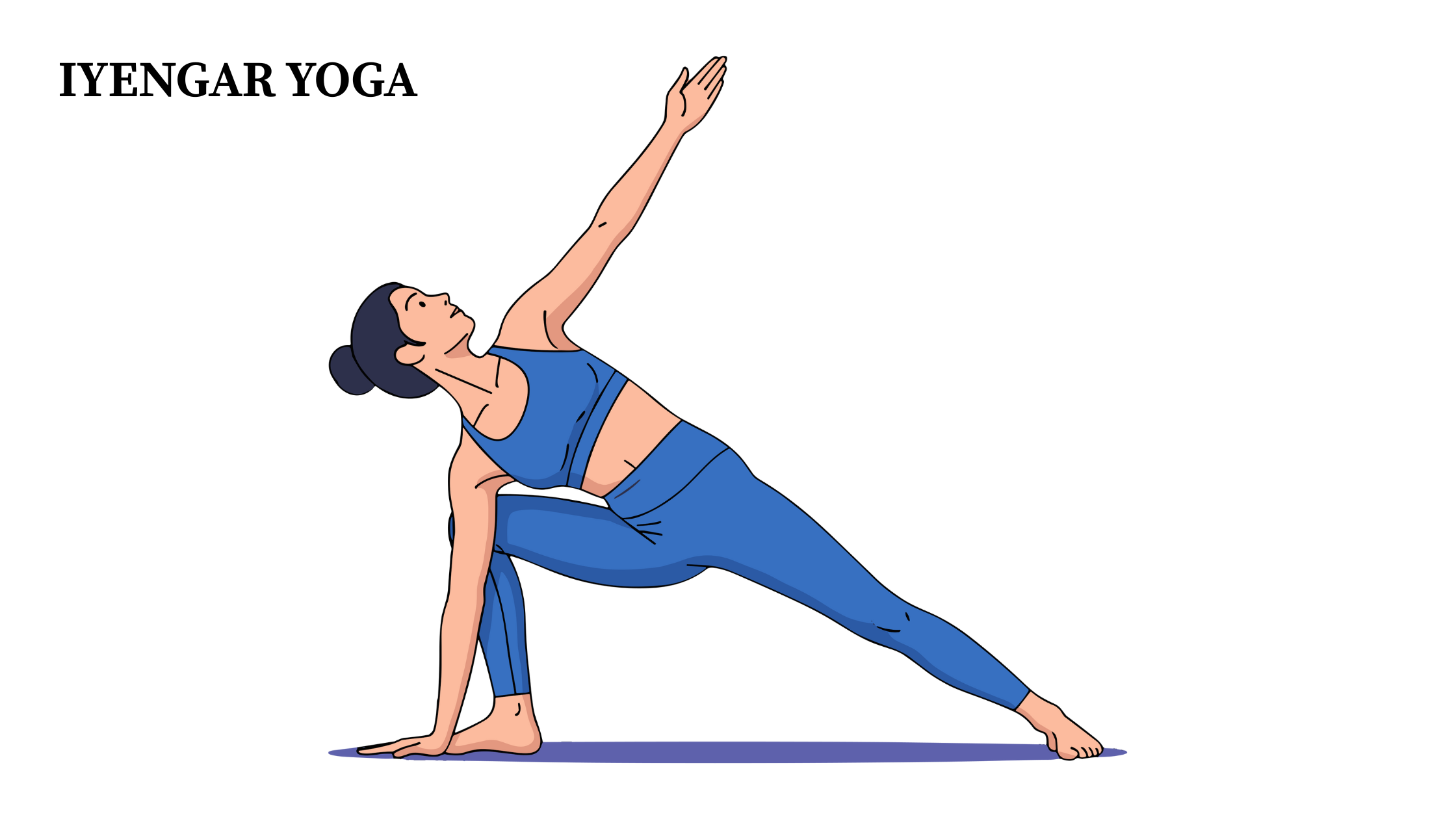
It’s a style of yoga where you don’t rush through the process. Instead, you learn how to position every part of your body safely and accurately. Practicing Iyengar Yoga feels steady, controlled, and highly instructional. The pace is slow and deliberate. So, you get time to adjust, refine, and really sense what each posture is doing for your body.
How it looks: Iyengar yoga uses props like blocks, straps, and blankets to help you get into poses comfortably and hold them. It also shows you what proper alignment feels like before doing it on your own.
Benefits: It helps you be more aware of your body and stand up straighter. It also makes you stronger, more flexible, and more balanced.
6. Bikram yoga

With 26 poses and two breathing routines, Bikram yoga is a structured type of hot yoga. What makes it unique is the environment this yoga takes place in. The classes are usually held in a heated room around 105°F (40°C) with controlled humidity. The heat is meant to warm the body quickly as well as increase flexibility. This creates an intense, sweat-heavy experience that differs from traditional yoga styles.
How it looks: Bikram yoga can be challenging and relaxing at the same time. The heated room helps your muscles warm up faster, joints feel more flexible, and movements go deeper. As you flow through the sequence, your blood circulation improves and you sweat, helping your body release toxins.
Benefits: Bikram Yoga uses a heated room to help the body stretch deeply and release toxins, while also building strength, endurance, and mental focus.
7. Hot Yoga
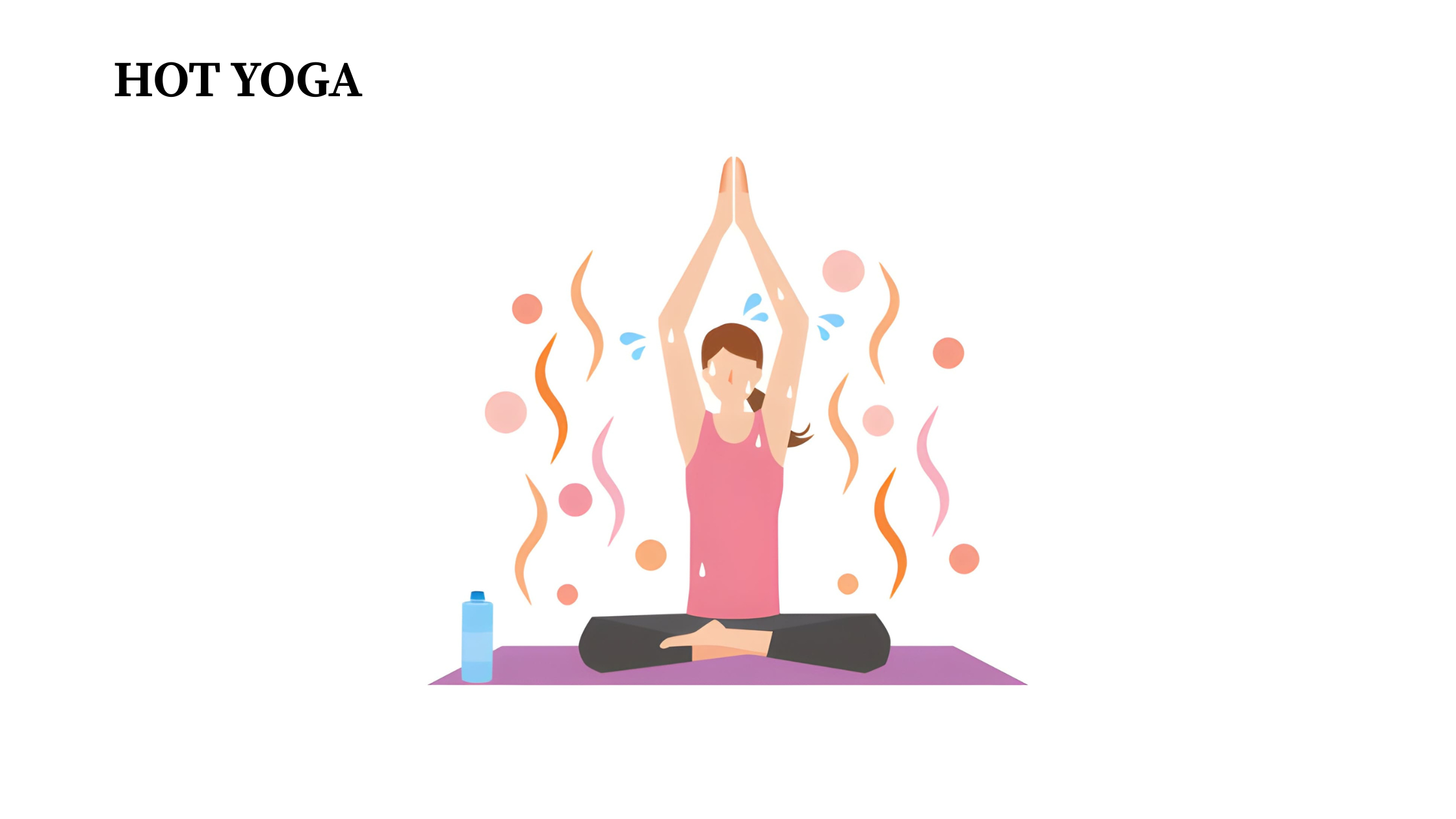
Hot yoga is any style of yoga that’s practiced in a heated room. Unlike Bikram yoga, it doesn’t stick to a fixed sequence of poses. The temperature in the studio usually ranges from 90°F to 105°F (32°C to 40°C). The heat warms your muscles quickly as well as allows you to move deeper into stretches with less resistance. You naturally build strength and endurance as your body works harder to stay balanced and cool.
How it looks: Practicing Hot yoga is like stepping into your own little sauna-meets-yoga session. Every stretch feels stronger. It’s tough on the body but calming for the mind. You focus on your breath and balance as your body works harder.
Benefits: It helps your muscles loosen up, boosts flexibility, and sweats out toxins. You also gain strength, stamina, and focus, feeling both calm and energized.
8. Kundalini Yoga

Kundalini yoga is a deeply spiritual form of yoga. It focuses on awakening inner energy and connecting with your true self. This simply means instead of emphasizing perfect poses or physical intensity, you pay more attention to your breath, emotions, and inner awareness.
How it looks: In Kundalini yoga, you might repeat simple movements, chant mantras, practice strong breathing techniques, or follow guided meditations. The atmosphere is usually calm, uplifting, and slightly meditative, with sessions ending in stillness or relaxation.
Benefits: This yoga style combines breath, movement, and meditation to activate your inner energy. It calms the mind, balances emotions, and improves overall well-being.
9. Aerial Yoga
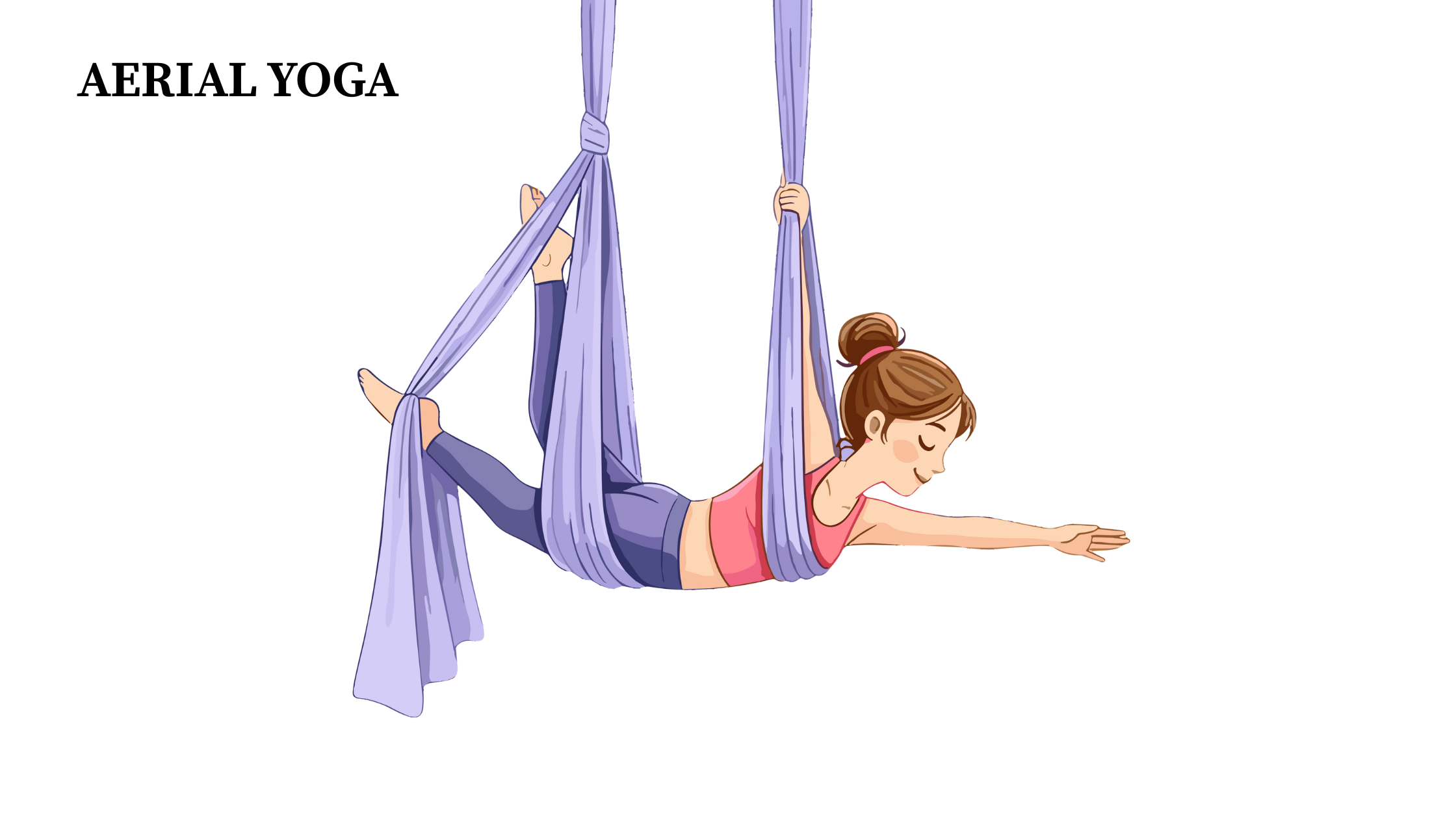
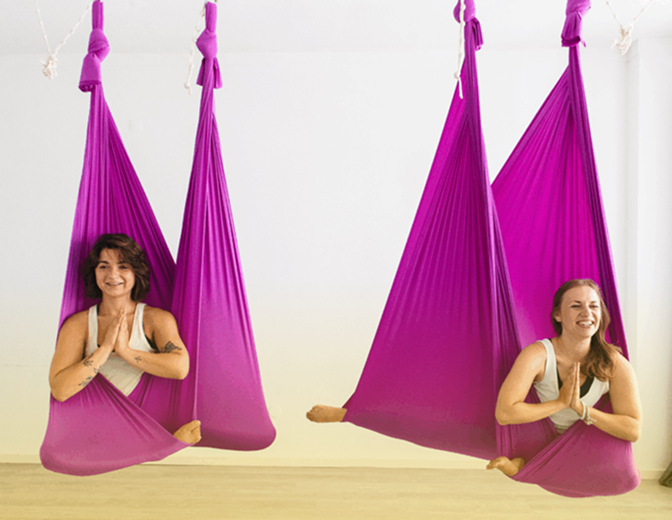
Aerial yoga is a playful and innovative style of yoga. You use a soft cloth hammock hanging from the ceiling to help you move through different poses in aerial yoga. The hammock lifts part of your body off the ground. This makes stretches easier. Plus, it helps you feel light as well as supported. It’s great for people who want a different kind of yoga experience, one that feels playful, creative, and soothing.
How it looks: In class, you might sit, lean, or even hang upside down in the hammock. It takes pressure off your spine, helps your body relax, and gives you a good stretch. The floating sensation makes the class both fun and calming.
Benefits: Aerial yoga lets the hammock support your body so you can stretch more easily. It also helps build strength and balance, and makes practice fun.
10. Acro Yoga
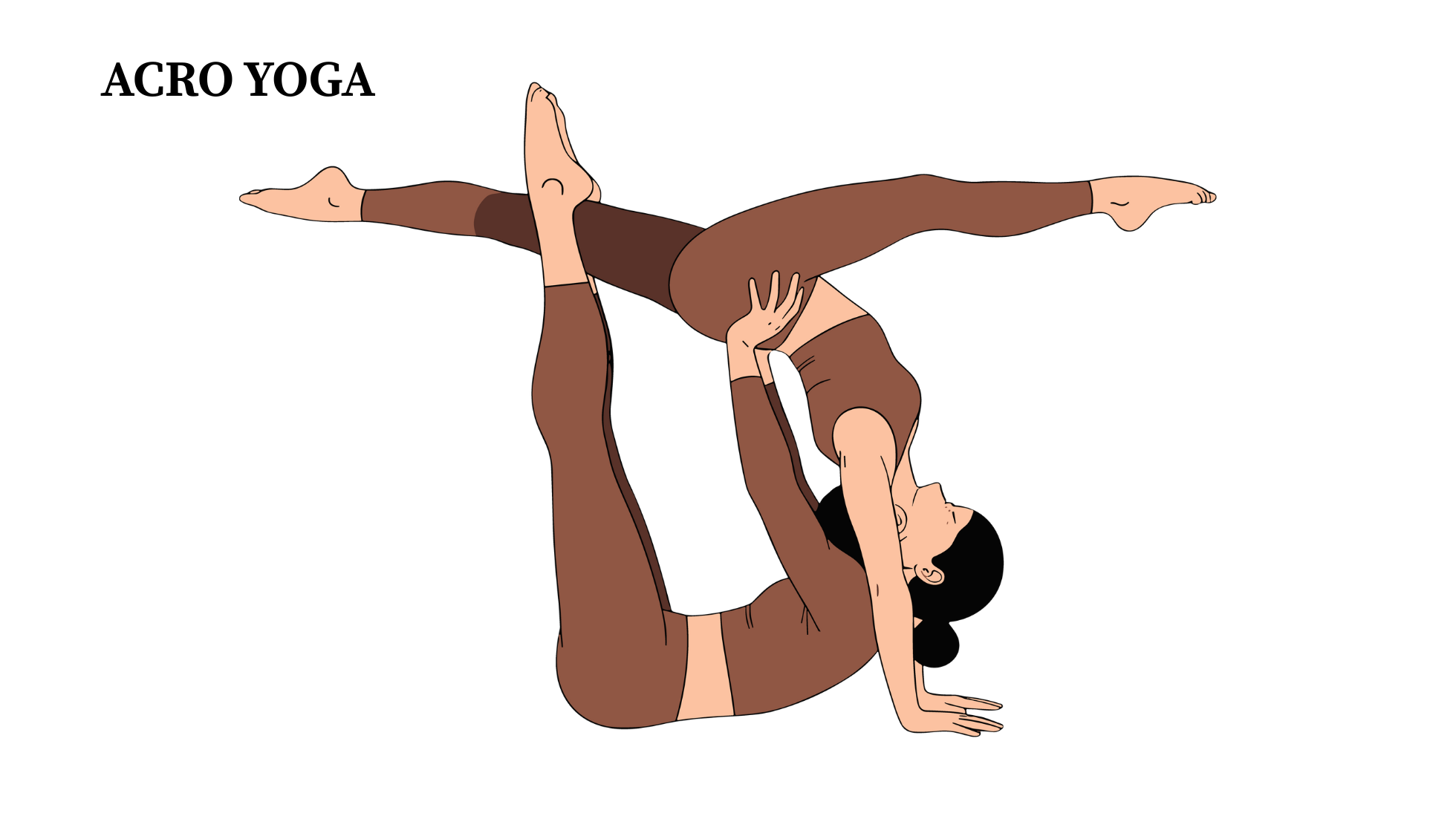
In Acro yoga, you practice with a partner or a small group. The sessions are lively and interactive, full of laughter, learning, and trying new movements together. Cooperation and clear communication are very important. Because balance and safety depend on working closely with your partner.
How it looks: A typical session starts with warming up. After that you move into simple poses with your partner. While practicing, one person stays on the ground to support the other. The other is lifted into the air to form different poses.
Benefits: Acro Yoga builds strength, balance, and flexibility through partner-based movements. It also improves trust, communication, and confidence.
11. Yoga Nidra
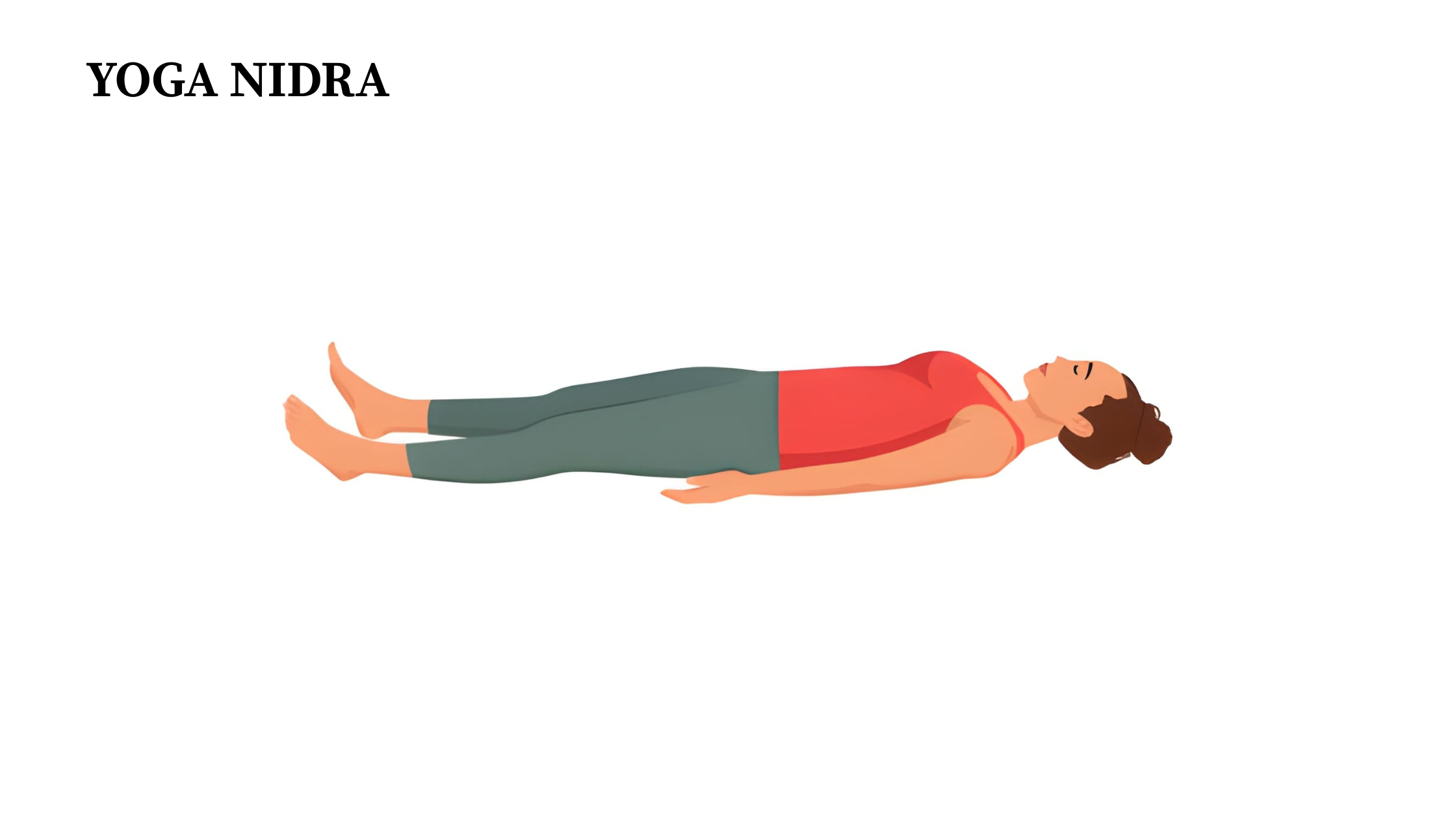
Yoga Nidra is a deeply relaxing practice that guides the body into a state of rest while the mind stays aware. During a Yoga Nidra session, the body slowly releases stored tension as the mind enters a peaceful state. It makes the person feel like falling asleep. But they remain conscious and attentive. This deep level of relaxation helps calm the nervous system as well as allows the body and mind to recover from stress and fatigue.
How it looks: There’s no physical movement involved in Yoga Nidra. This is why it is considered one of the most restful forms of yoga.
Benefits: Yoga Nidra deeply relaxes your body as well as calms your mind. It helps reduce stress, improves sleep, as well as restores mental and emotional balance.
12. Prenatal Yoga

Prenatal Yoga is a gentle as well as supportive form of yoga that’s created especially for pregnant women. The movements are slow and carefully adjusted to suit each stage. This makes it extremely safe for both the baby and the mother.
How it looks: A typical prenatal yoga class combines soft stretches, breathing, and relaxation techniques. Breathing exercises help you stay calm and focused during labor.
Benefits: Prenatal Yoga helps keep your body comfortable, flexible, and gently strong during pregnancy. It also reduces stress, improves breathing, as well as prepares both body and mind for childbirth.
13. Restorative Yoga

Restorative yoga is a gentle and slow practice that helps your body as well as your mind fully relax. You stay in a few comfortable positions for a while that allow your body to fully relax. During practice, your breath becomes slower, your muscles soften, and your nervous system begins to calm down.
How it looks: Restorative Yoga uses props like bolsters, blankets, and pillows to support your body. You mostly lie or sit quietly, breathing deeply as your body relaxes.
Benefits: Many people find it useful for reducing stress, improving sleep, as well as easing physical discomfort caused by fatigue or injury.
14. Power Yoga
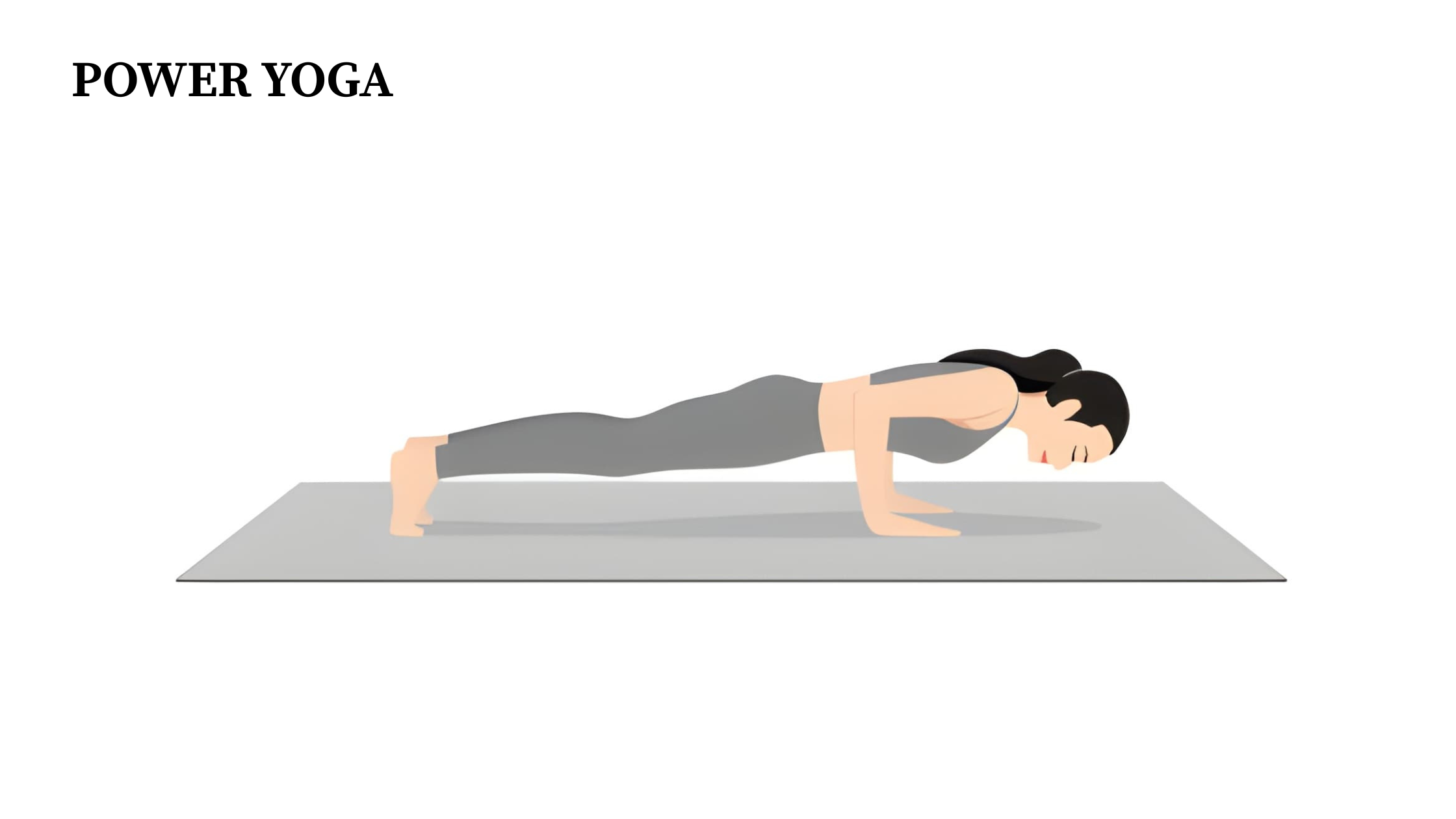
Power yoga is an energetic, fitness-focused style that keeps your body moving and muscles working. Unlike traditional yoga, it doesn’t follow a set sequence; each class is active and challenging, blending strength, flexibility, as well as continuous movement.
How it looks: In Power yoga, poses move quickly and flow together. Breathing matters, but the main goal is to boost strength, stamina, and endurance.
Benefits: It helps improve muscle tone, flexibility, and overall fitness while still offering the mental focus that yoga encourages.
15. Buti Yoga

Buti Yoga is a high-energy and expressive style of yoga that blends traditional yoga poses with dance, cardio movements, and strength training. It focuses on full-body movement, especially engaging the core and lower body, making the practice feel lively and workout-driven rather than slow or meditative.
How it looks: Classes are often set to music and encourage freedom of movement, allowing participants to move confidently and creatively.
Benefits: Along with improving strength, flexibility, and endurance, this style also boosts mood.
Conclusion
Yoga offers something for everyone, whether you’re seeking strength, flexibility, deep relaxation, or mental clarity. With so many different styles, finding the right practice can make a real difference in how your body feels and how your mind responds to daily stress.
At Insumataq Studio, we welcome all levels and offer a wide range of yoga classes, including Hot Yoga, Somatic Yoga, and more, guided by experienced instructors. Join us at our studios in Auburn, Roseville, Rocklin, Granite Bay, and Loomis, and experience yoga in a supportive, welcoming space. Your journey to better health and balance can begin here.