
Key Takeaways
- Yin Yoga focuses on long-held stretches.
- Beginners can safely start with simple poses.
- Improves flexibility and joint mobility.
- Reduces stress and promotes mindfulness.
- Complements strength training and active lifestyles.
Yin yoga is a gentle yoga practice that includes 1-5 minute long passive (relaxed) yoga poses, which are for flexibility, mobility, relaxation, and mindfulness. Child’s Pose, Butterfly Pose, and Sphinx Pose are all easy yin yoga poses that can help you to relieve stress and maintain overall health, making them suitable for beginners.
What is Yin & Yang Yoga?
Yin Yoga is a gentle practice and will focus on holding postures for a longer period of time. Gurus like Swami Vivekananda practiced and introduced it to the masses. Yin yoga, in comparison to more active styles of yoga that build strength and heat the body, goes deeper into the body’s connective tissue (ligaments, fascia, and joints).
Many beginners ask, “What is Yin Yoga for beginners?” To Answer this
Yin Yoga is slow, passive, and inward-turning, and Yang Yoga is more active, dynamic, and muscle-oriented. Combined, they form balance in the body and mind.
Yin Yoga is the easiest beginning point for all ages and experience levels, whether it’s to increase flexibility, manage stress, or enhance an active fitness program.
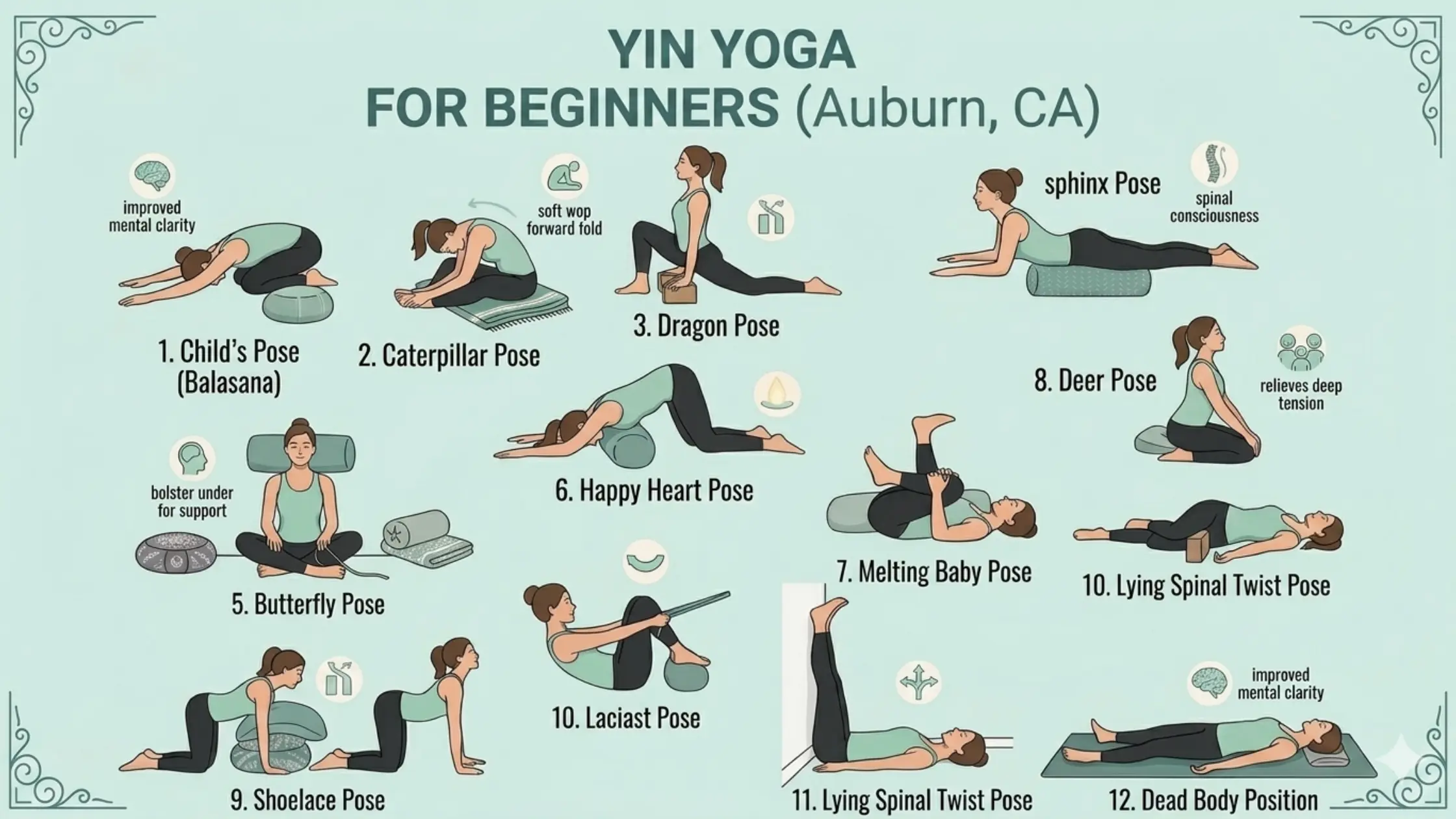
12 Must-Know Yin Yoga for Beginners
What are the best yoga exercises to help balance your mind and body? Take a look:
1. Child’s Pose (Balasana)
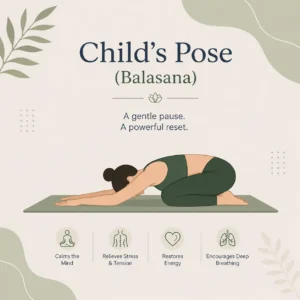
A very relaxing stretch for the hips, thighs, and lower back, relaxing the muscles.
How To Do It: As you bend at the waist, lean back onto your heels and bend your torso slowly forward and stretch your arms out in front of you or in front of your body. Rest your forehead against the mat.
Benefits: Relaxes the back, calms the nervous system, and gives you grounding and safety. This is frequently used as a break from other stretches.
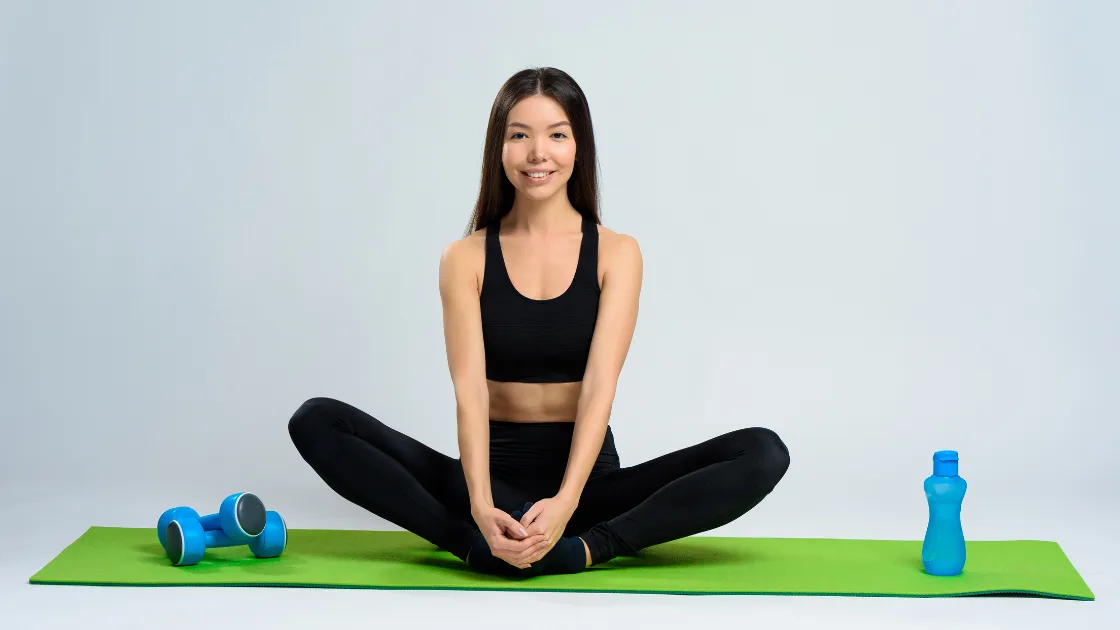
2. Butterfly Pose

For many, many beginners, Yin practice yoga is foundational.
How to do it: Sit up straight, press the soles of your feet together, and let your knees fall outwards gently. A little bit of forward folding if you feel comfortable.
Pros: What can you gain? Increased range of movement in the hips, loosening of groin muscles, and relaxing the lower body.
3. Caterpillar Pose

A mild forward bend to stretch the back of the body from the spine to the hamstrings.
Method: Extend your legs, relax your spine, and slowly bend your body in such a way that you do not strain your back muscles. Be carried by gravity.
Effects: It stretches your spine, relieves your back of any strain, and stretches your hamstring muscles.
4. Sphinx Pose
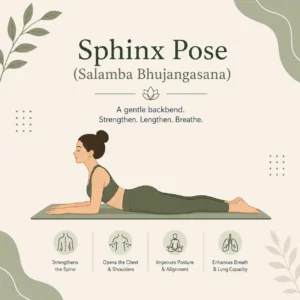
This is a safer version of the back-bend yoga pose that assists in opening up your chest and improving your spinal consciousness.
Steps: Assume a four-legged position and support your body using your arms placed directly under your shoulders.
Results: It opens your chest, makes your spine more flexible, and maintains correct posture.
5. Dragon Pose
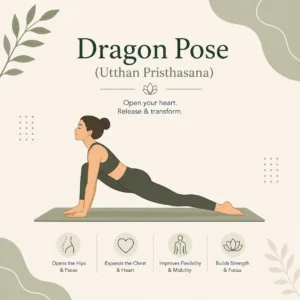
A deeper hip opener that can be quite intense but is highly helpful in releasing stored tension.
How to do it: Step one, foot out into a low lunge position while bending the rear knee until it touches the ground.
Advantages: Helps to open the hips and hip flexors and increase flexibility in the lower extremities.
6. Happy Baby Pose

A light, but restful, hip-opener position.
How to Do It: When lying face-up, bring your legs up towards your chest by bending the knees and grab your feet or shins from the sides.
Advantage: It will fully extend your hip muscles, relieve stiffness in your lower back, and help you gain relaxation.
7. Melting Heart Posture

An easy stretch that opens up the heart, shoulders, back, and upper body.
Method: From the cat pose position, use the palms and the lower part of your chest to touch the mat, keeping your hips stacked on top of your knees.
Advantages: Improves the flexibility of the upper back muscles and improves posture.
8. Deer Pose
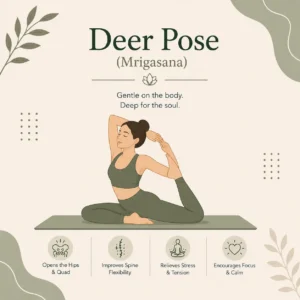
Deep hip and outer glute stretch in a sitting twist motion.
How to perform: one leg bent in front, the other bent in back at an angle, and then gently fold forward if comfortable.
Benefits: Supplies flexibility, improves hip rotation, and relieves deep tension in the hips.
9. Shoelace Pose

A powerful and effective hip opener to help loosen tightness that may be held for a long time.
How to make it work: Sit and stack one knee on top of the other with a tall spine. Fold forward for a deeper stretch (optional).
Benefits: Opens the outer hips, decreases stiffness in the thighs, and increases overall hip mobility in the lower body.
10. Lying Spinal Twist Posture

If you want to increase spinal flexibility, this is your go-to yin yoga pose.
Steps: It starts by lying down and then bending the knees on one side.
Benefits: It relieves tension in the lower back area.
11. Legs-Up-the-Wall Pose
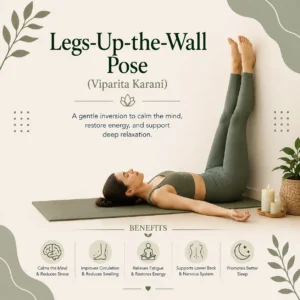
A restorative asana that is best performed when fatigued.
Steps: Start by lying and then pressing the legs against the wall.
Benefits: It enhances circulation in the body.
12. Dead Body Position (Savasana)

A relaxing asana that concludes the exercise routine.
How to practice: Lay down on your back, shut your eyes, and allow your whole body to be relaxed without trying too hard.
Advantages: Helps relax deeply, relieves stress, and improves mental clarity.
What Are The Benefits Of Yin & Yang Yoga for beginners?
The concepts of Yin and Yang originated in The Yellow Emperor’s Classic of Medicine. Their philosophy suggests that good health is achieved by maintaining balance among forces within the body. Modern science supported it, too.
Maintain Balance of Body & Mind: Together, they help reduce stress, improve focus, and create harmony between body and mind.
Balances Feminine and Masculine Energies: As a combination, they take out stress from your life, enhance concentration, and bring balance between body and mind.
Supports Joints and Fascia: Yin postures gently focus on connective tissue, and movement of the yang builds up muscles around the joints.
Increases Awareness of Breathing: In Yin yoga, slow movements play a central role, while Yang integrates the two aspects to create rhythmic movement.
This list includes just a few benefits that come from combining yin and yang yoga practices.
Yin Yoga Sequence for Beginners
Below you will find one basic yin yoga sequence for beginners.
| Yin Yoga Pose | Duration |
|---|---|
| Child’s Pose | 2 minutes |
| Butterfly Pose | 3 minutes |
| Caterpillar Pose | 3 minutes |
| Dragon Pose | 2 minutes each side |
| Sphinx Pose | 3 minutes |
| Reclining Twist | 2 minutes each side |
| Legs-Up-the-Wall Pose | 5 minutes |
| Savasana | 5 minutes |
Breathing and movement go hand-in-hand.So, combining mindful breathing exercises will give you an extra edge between yoga poses.
What are the Tips for a Safe and Effective Yin Yoga Practice?
For those starting a journey into the Yin practice yoga style, here are a few tips:
- Use Props When Needed: Use bolsters, blankets, or yoga blocks to make poses more comfortable and accessible.
- Focus on Sensation, Not Intensity: Aim for a gentle stretch rather than pushing yourself into discomfort. Avoid any sharp or painful sensations.
- Take Slow, Consistent Breaths: Deep, steady breathing helps your body relax and settle into each posture.
- Be Patient: Improving flexibility takes time. Stay consistent and allow your body to progress naturally.
- Listen to Your Body: Every body is different. Respect your limits and avoid pushing beyond your comfort zone.
How Does Yin Yoga Fit Into a Balanced Wellness Routine?
Yin Yoga pairs well with strength training, walking, running, and more active yoga styles. If you’re exploring different types of yoga and their benefits, adding yin yoga poses can provide balance by supporting recovery, mobility, and mindfulness.
Many beginners find that combining gentle movement with mindful breathing exercises creates a more sustainable long-term wellness routine.
Who can Practice Yin Yoga ?
Yin Yoga is suitable for:
– For everyone who prefer gentle workouts
– Employees who experience stress in the office
– Athletes who want to improve their mobility and recovery
– Elderly who prefer low-intensity practices
– People who want to relieve stress and learn mindfulness
Due to the slow tempo and long holding, this practice can easily be learned and bring positive results.
Conclusion
Whether you’re just starting your yoga journey or returning after a break, Yin yoga will help you build a healthier body, a more relaxed mind, deeper breathing, sharper concentration, and a better all-around self; it’s a great option.
So, if you’ve been searching for a yoga class near in Auburn, you are at the right place.
At Insumataq Studio, we guide everyone through beginner-friendly sessions designed to improve flexibility, reduce stress, and build confidence.