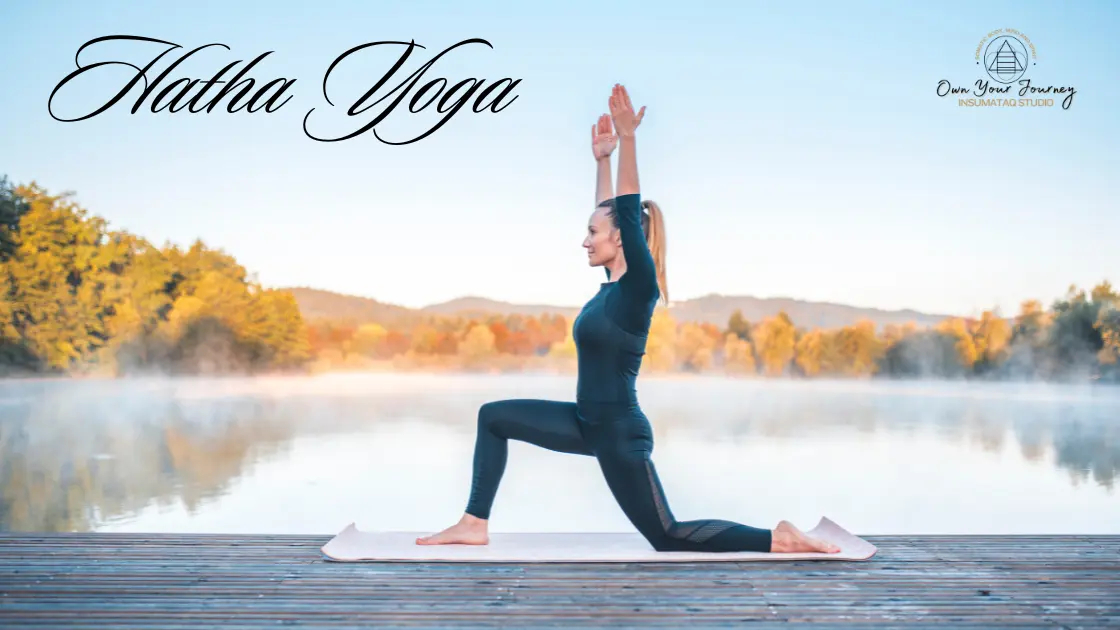

Hatha Yoga for Beginners: Everything You Need to Know Before Your First Class in 2026

Hatha Yoga in Auburn
Author picture
Jennifer Amaral

What most beginners don’t realize after failing at yoga is that they don’t lack discipline; their failure might have something to do with the kind of yoga they chose.

The fitness industry is crowded nowadays, and everyone is trying to sell their best yoga classes and supplements. In fact, gym sessions, Pilates classes, and fast-paced yoga flows are all moving quicker than you can keep up with, competing for the same nervous first-timer who just wants to feel better in their body and mind. Unfortunately, people pick what gets marketed the loudest, not what actually fits them. And that’s how the motivation fades a few weeks in, and it gets called a failure.

If you’re a beginner searching for where to start, you’ve found the right place. The best starting point is Hatha yoga for beginners. It’s slow-paced and usually the first style people learn. This blog will walk you through what Hatha yoga is, why it’s considered perfect for beginners, and how you can start your journey.

Table of Contents

What Is Hatha Yoga?

The word “Hatha” comes from two Sanskrit words, “Ha” for sun and “Tha” for moon. Together, they point to the balance, the idea of bringing opposite forces, effort and ease, strength and surrender, into one steady practice. 

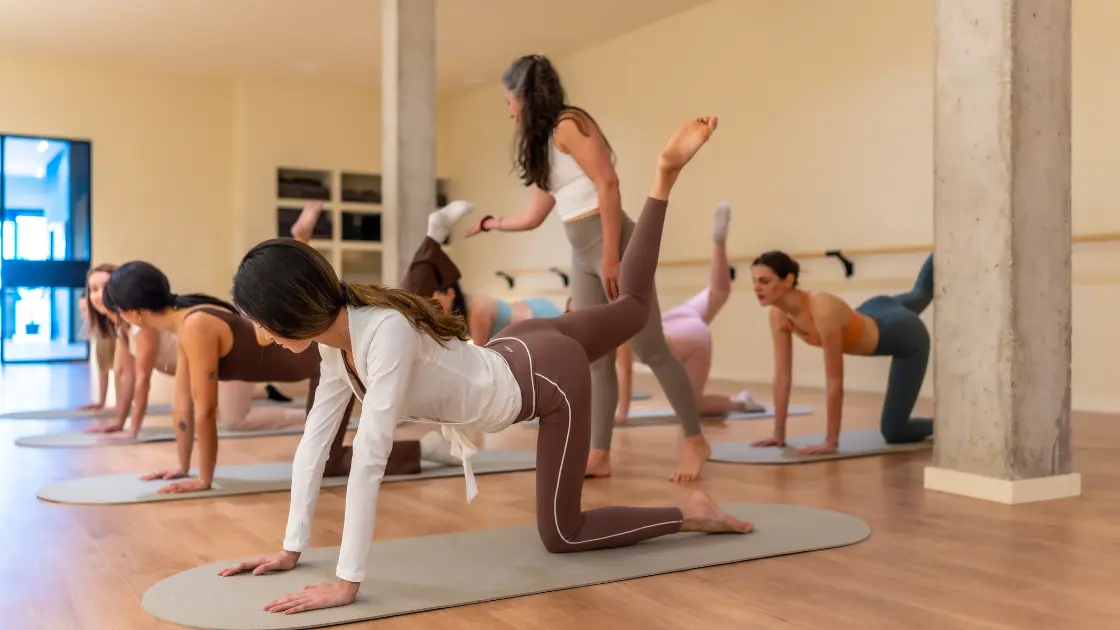
A typical Hatha class moves through standing poses, seated stretches, and a few balancing postures, with breath guiding the pace throughout. Nothing is rushed. Each shape gets held long enough for the body to actually settle into it before moving on.

Who Should Try Hatha Yoga?

The best part about Hatha Yoga is it’s suitable for anyone who’s just starting their yoga journey. It doesn’t demand the person be flexible, have strength or any background in yoga. The practice is built to meet the body wherever it currently is, not the other way around.

It works best for:

  • People completely new to yoga
  • Women of every age and stage of life
  • Older adults easing into movement
  • Professionals stuck at a desk all week
  • People whose bodies feel tight or guarded
  • Anyone stepping back into fitness after time away
  • Those simply looking for a little more calm

There’s also a quieter reason people show up to Hatha. Some people just want a space to breathe without being rushed, a place to feel their body instead of performing for anyone watching it.

If that sounds familiar, Hatha is a reasonable place to start.

Why Hatha Yoga Is Perfect for Beginners

Most yoga styles ask something of you before you’ve even learned the basics. It might be something as simple as remembering the sequence or as complex as keeping the pace with the flow. But Hatha is different. 

Poses are held long enough to actually learn them, not just survive them. Instructors typically offer modifications for every posture, and classes rarely assume you already know the terms or sequences. There’s no pressure to flow gracefully from one shape to the next; everyone in the room is simply moving at the same unhurried pace, which makes it easier to stop comparing yourself to the person on the next mat.

Here are a few things that make this yoga especially beneficial for new practitioners:

  • Poses are held, not rushed, giving you time to adjust and breathe
  • Instructors typically offer modifications for every posture
  • Classes rarely assume prior knowledge of yoga terms or sequences
  • The pace allows you to actually learn form instead of just copying movement

Hatha Yoga vs. Other Yoga Styles (Beginner Comparison)

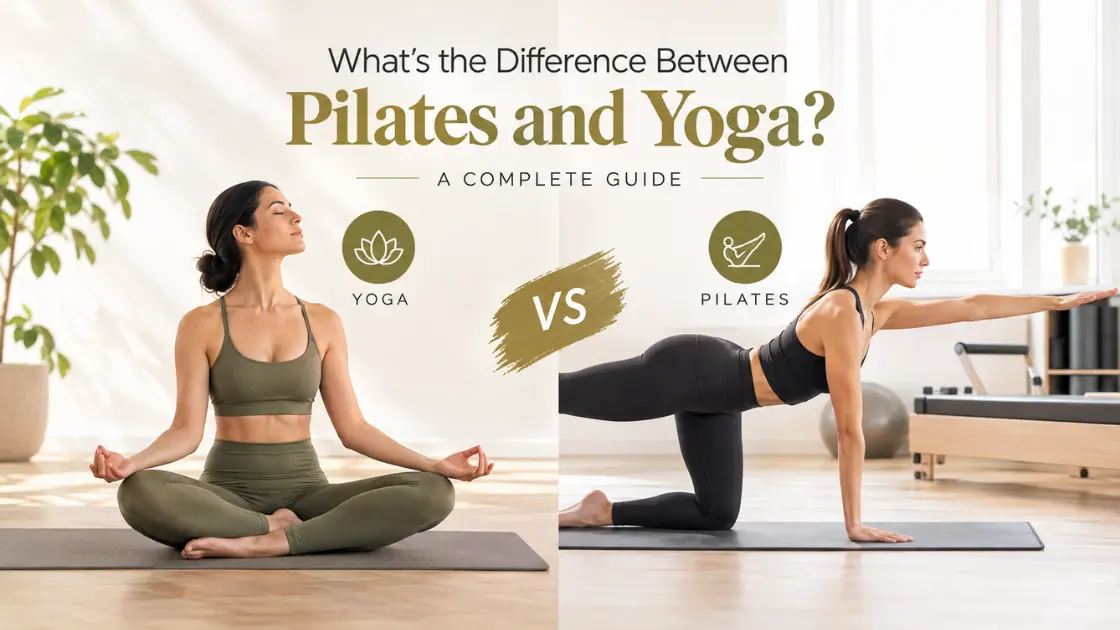
You might have already heard of a few other types of yoga and their benefits and still be unsure whether Hatha is the right one to start with. Here’s a straightforward comparison between Hatha yoga vs. Vinyasa vs. Yin vs. Kundalini and whether it makes sense as a first class.

YogaPaceFocusSuitable for Beginners?
Hatha YogaSlowAlignment, breath, and foundational strengthBest for beginners
Vinyasa Flow YogaFastCardio, breath-linked movementNeed to learn basic poses
Yin YogaSlowConnective tissue, deep stretchCan be intense on untrained joints
Kundalini YogaModerateEnergy work, chanting, breathBetter once comfortable with postures

As you can analyze from the table, Hatha is the only yoga style that’s built specifically for beginners, emphasizing slow-paced movements, foundational postures, and controlled breathing.

Vinyasa moves too fast to correct your form mid-flow. Yin asks your joints to hold positions your body hasn’t warmed up to yet. Kundalini brings in chanting and energy work before you’ve settled into the physical side at all. None of that makes the other styles wrong, just wrong for a first class. Most people who eventually love Vinyasa or Yin started with Hatha first because it taught their bodies the vocabulary the other styles speak fast.

Benefits of Hatha Yoga for Beginners

By now, it’s clear why Hatha suits beginners so well: the slow pace, the room to learn, the lack of pressure to keep up. But knowing why a style is easy to start doesn’t tell you what it actually does once you stick with it. That part is worth slowing down for, because the changes here run deeper than most people expect from something this gentle.

Calms an overactive nervous system

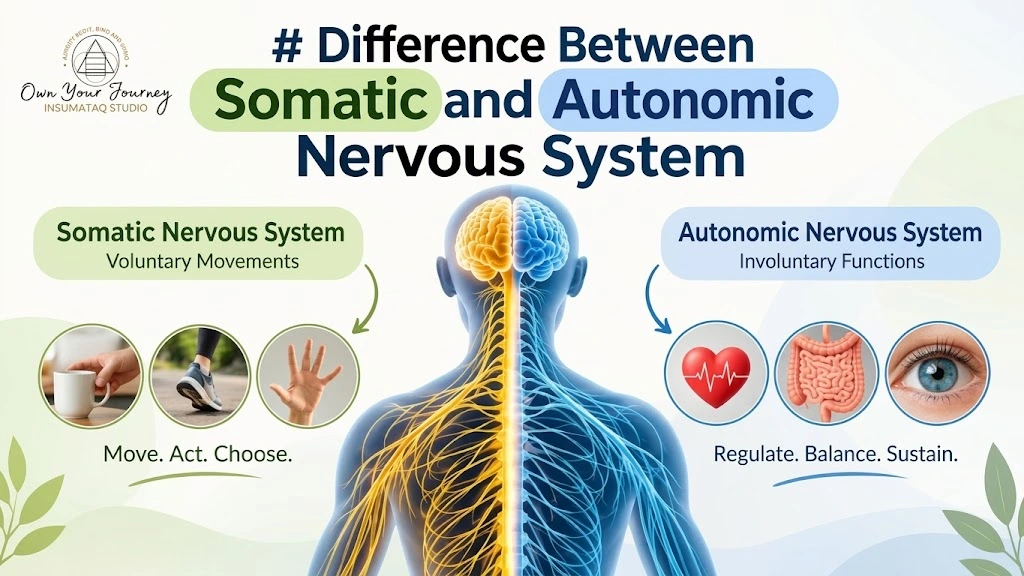
Holding poses with slow, steady breath signals the body to shift out of fight-or-flight. This is why Hatha yoga for anxiety comes up so often; the practice works directly on the nervous system, not just the mind.

Builds real strength, not performance strength

Holding a pose for several breaths recruits stabilizing muscles that fast flows tend to skip past. The strength that builds here shows up in balance and posture, not just flexibility.

Improves flexibility without forcing it

Because nothing is rushed, muscles have time to actually release instead of being stretched past their limit. Progress happens slowly, but it tends to stick.

Teaches breath control that carries off the mat

PranayamaPranayama and simple breathing techniques are included in most Hatha classes. Once learned, that same breath becomes a tool for stress in everyday moments that have nothing to do with yoga.

Sharpens focus and body awareness

Holding a pose forces attention to stay in the present moment. Over time, that focus becomes easier to access outside of class too, in work, conversations, and daily stress.

Supports better sleep

The combination of physical release and nervous system regulation tends to make it easier to wind down at night, especially for people whose minds don’t quiet down on their own.

None of this happens overnight, and Hatha won’t promise otherwise. But practiced consistently, it changes how the body carries stress and anxiety long before it changes how the body looks.

Hatha Yoga Sequence and Poses for Beginners

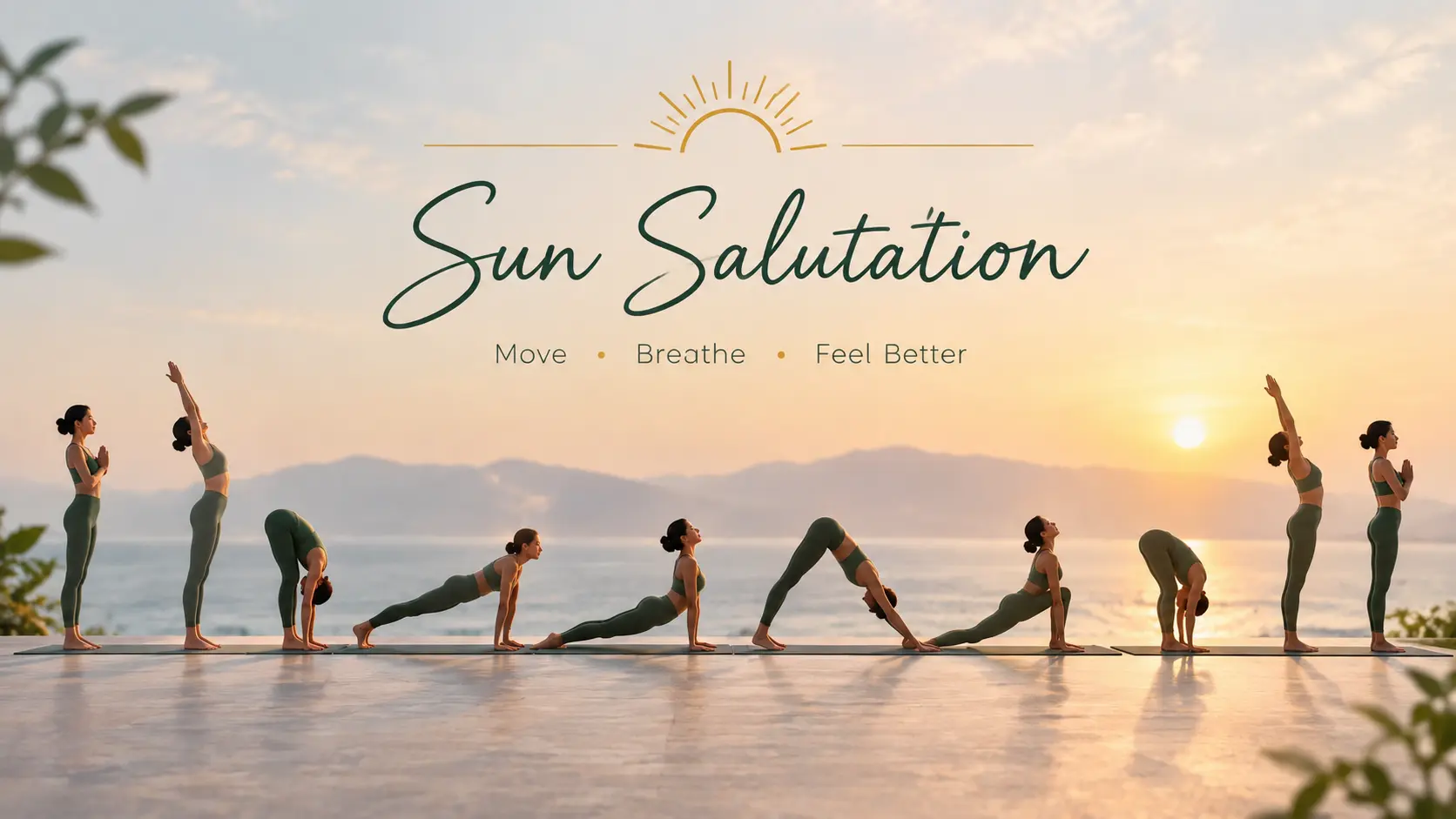
A Hatha yoga sequence follows a deliberate order for a reason. Seated work settles the breath, standing poses build heat and strength, and a slow descent back to the floor closes things out. Each stage prepares the body for the one after it, which is part of why Hatha feels different from simply stringing poses together.

Here are some common Hatha yoga poses for beginners.  

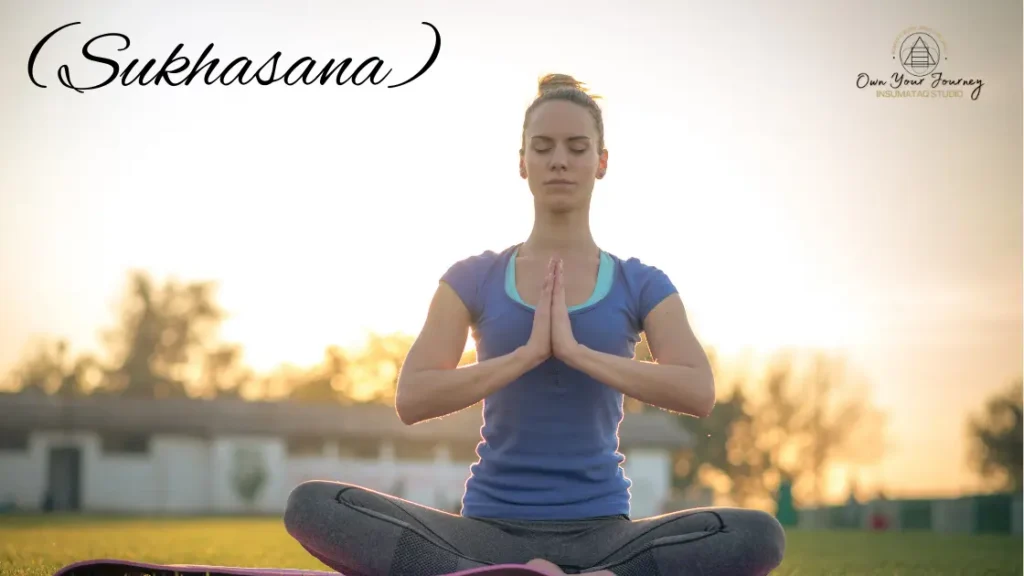
Easy Pose (Sukhasana)
Easy Pose (Sukhasana)

You sit cross-legged with a tall spine and hands resting on the knees. Spend a few minutes here breathing slowly. It sets the pace for everything that follows.

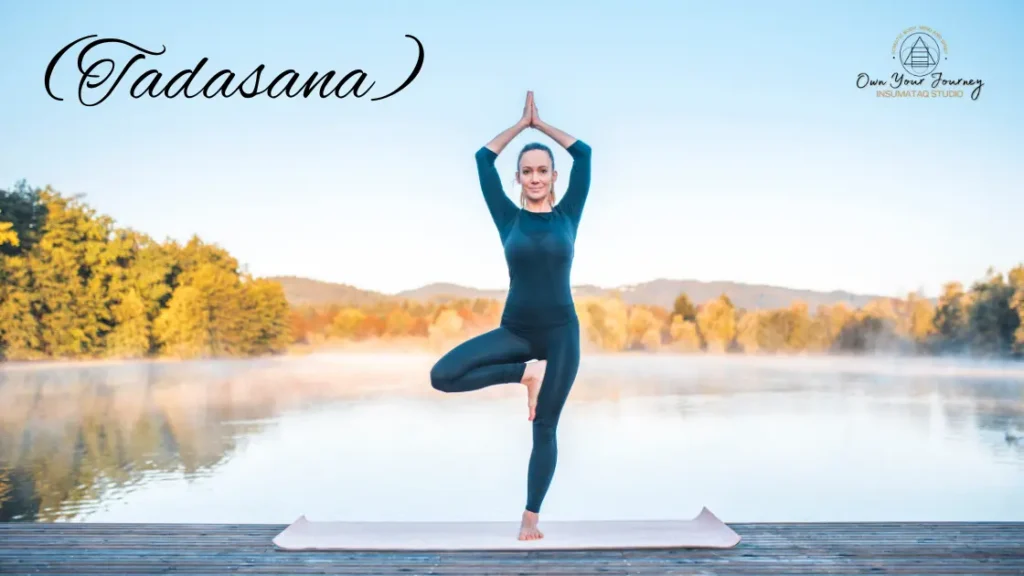
Mountain Pose (Tadasana)
Mountain Pose (Tadasana)

You stand tall, feet grounded, weight even on both sides. It looks like you’re doing nothing, but this pose teaches you everything about posture.

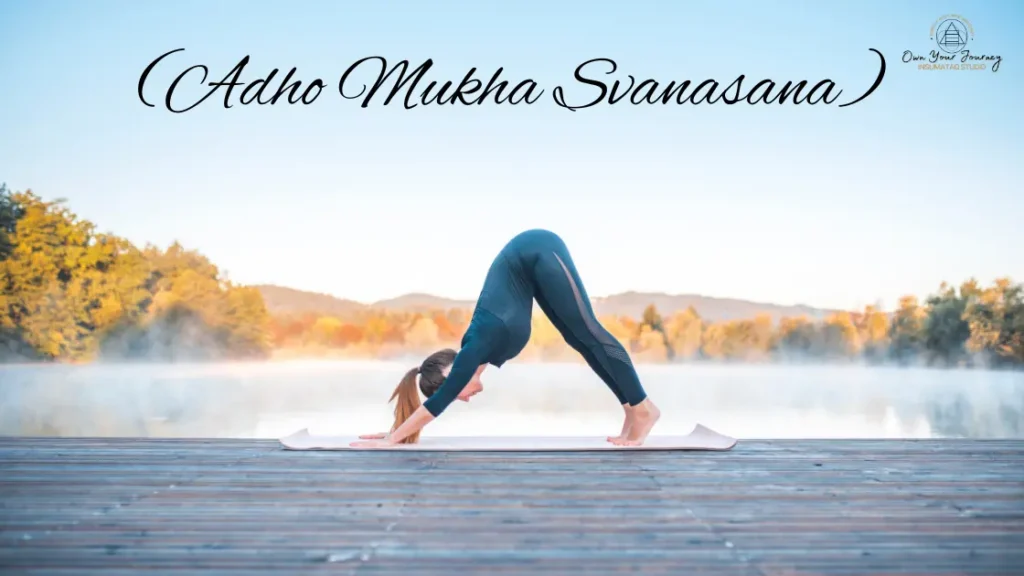
Downward Dog (Adho Mukha Svanasana)
Downward Dog (Adho Mukha Svanasana)

Lift your hips up and back, pressing your hands and feet into the mat. You’ll see this one again in almost every style of yoga you try after this, so it’s worth learning properly now.

Corpse Pose (Savasana)
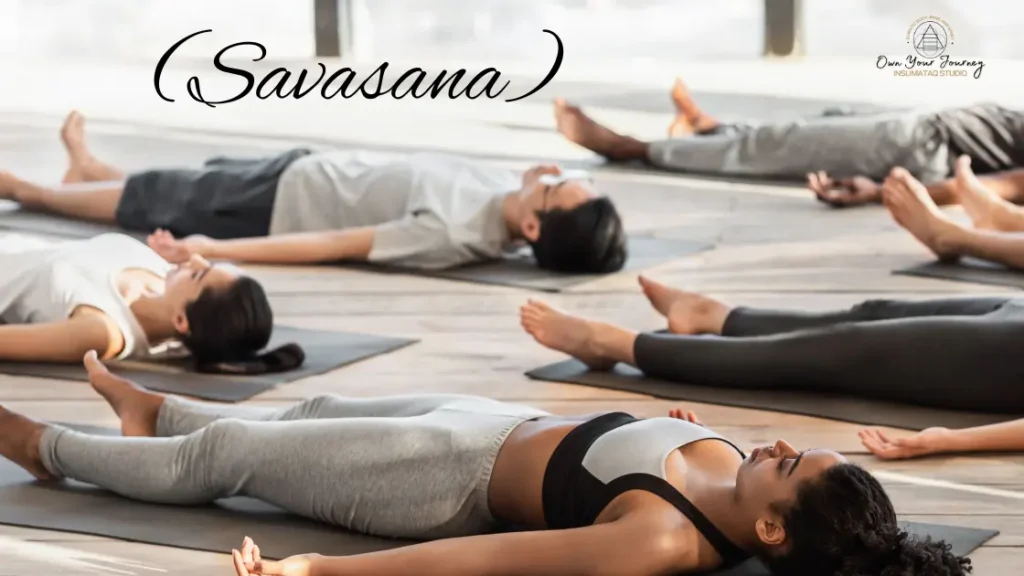
Corpse Pose (Savasana)

You lie flat, close your eyes, and let your breath return to normal on its own. Skipping this one is the most common mistake beginners make, and it skips the entire point of everything you just practiced.

This sequence moves from seated, to standing, to resting and mirrors what the nervous system needs, a gradual rise, followed by a deliberate return to calm.

What Happens in a Hatha Yoga Class for Beginners?

A typical Hatha class runs 45 minutes to an hour and follows a familiar structure. It starts with a few quiet minutes of seated breathing, moves into standing and balancing poses held for several breaths at a time, and winds down with floor stretches before closing in Savasana. The teacher usually demonstrates each pose first, then walks around offering adjustments, so nobody’s expected to get it right on the first try.

Breath stays part of the practice throughout, not just during the seated moments. Cues like “inhale to lengthen” or “exhale to fold” guide movement to follow breath rather than the other way around. Most beginners leave feeling looser and noticeably calmer, less because of what the body did and more because of how slowly it was asked to do it.

How to Choose the Best Hatha Yoga Classes for Beginners

Not every class labeled “beginner-friendly” means that’s right for you. To put it simply, choosing a class is a different decision entirely, and it’s the one that actually determines whether the practice sticks.

Here are some steps you can follow to choose the best Hatha Yoga classes. 

Understand Your Instructor 

Prioritise the teacher’s experience with beginners, not just their certification. Someone who regularly teaches beginners knows how to slow down without making it feel like a compromise, correct form without singling anyone out, and explain a pose in plain language instead of assuming you already know the terms.

Identify the Class Size

A smaller room means a teacher can actually notice if your knee is misaligned or your wrists are taking too much weight. In a room of thirty, that same mistake can go uncorrected for weeks, quietly turning into a habit instead of getting fixed early.

Read between the lines of how a class is described:

  • “Gentle,” “foundational,” or “all levels” usually means the pace matches what’s been covered in this guide
  • “Flow” or “power” often signals something faster, even if the word “Hatha” is attached
  • If the pace isn’t clear, a quick message asking about modifications will usually get an honest answer

Factor in Location 

A class that’s easy to get to and fits your routine is one you’ll actually keep showing up to, which matters more long-term than finding the single “best” studio in the area.

If none of these factors helps you, or the choice still feels overwhelming, it helps to talk it through with someone who can look at where you’re starting from and point you toward something that fits. That kind of guidance is available through our Insumataq Studio’s classes and programs, built around exactly this stage of the journey.

Conclusion

Most people don’t quit yoga because it didn’t work. They quit because they started with a version of it that was never built for a beginner in the first place.

Hatha yoga for beginners asks for none of that pressure. No pace to chase, no pose to fake, no room to compare yourself to anyone else on their mat. Just simple breathwork and breathing techniques, held poses, and enough time for your body to actually catch up with what you’re asking it to do. That’s not a lesser way to start. For most people, it’s the only way that actually lasts.

If you’re still weighing where to begin or unsure which class will actually meet you where you are, don’t leave that decision to guesswork. Explore our Insumataq Studio‘s classes and events at Auburn, and start the kind of practice that’s built to hold, not one you’ll quietly drop in three weeks.

Frequently Asked Questions (FAQs)

It can help indirectly, through better sleep and lower stress, but it's not a high-calorie workout like Vinyasa. Pair it with other movements if weight loss is the main goal.

Yes, once you know the basics. A few guided classes first help you learn correct form, which matters since poses are held longer in Hatha.

Calmer breathing and better sleep usually show up within a few weeks. Flexibility and strength take longer, closer to two to three months.

Many prenatal yoga programs are based on Hatha because of its slow pace. Always check with a doctor first and let your instructor know.

There isn't one. Hatha can be modified for almost any age or ability, from kids to older adults.

About the Author

Jennifer Amaral

My journey into healing and transformation spans more than 24 years. Through extensive training in somatic healing, transformational coaching, movement practices, and indigenous wisdom traditions, I have dedicated my life to helping people reconnect with their authentic selves and unlock their full potential

As a former professional athlete and entrepreneur, I understand the power of resilience, growth, and embodied leadership. These experiences have shaped my approach to supporting others through meaningful and lasting transformation.

Through Insumataq Studio, retreats, workshops, and healing experiences, I create spaces where people can cultivate self-awareness, deepen their connection to themselves, and live with greater purpose and alignment.

I believe that true transformation begins within, and that each person already holds the wisdom needed to heal, grow, and thrive.

Related Articles

Hipster man

 Everything, including businesses, consists of energy and is interconnected. By addressing energetic imbalances or “blockages” within a business or an individual’s professional life, Quantum Business Healing aims to clear away limiting beliefs, outdated patterns, and negative influences that may be holding the business back. Here are some key aspects:

1. Energy Alignment: Just as individuals have energy fields, businesses are seen as having their own unique energy, shaped by the people, culture, history, and intention behind them. Quantum Business Healing aims to align this energy to create a harmonious, high-vibration environment that supports growth.


2. Shifting Patterns and Beliefs: Often, unproductive habits, limiting beliefs, or unaddressed conflicts create “blocks” that can stagnate growth. Quantum healing techniques, such as energy clearing, intention setting, or meditative practices, help reframe these blocks into opportunities for growth.


3. Rewiring Business Mindsets: This involves helping leaders and team members adopt empowering, forward-focused mindsets. Quantum Business Healing often incorporates tools from NLP, PSYCH-K, and coaching to shift subconscious patterns that impact behavior and decision-making.


4. Intuitive Decision-Making: Emphasizing intuition as a powerful tool, Quantum Business Healing encourages leaders to trust insights that align with their vision, rather than relying solely on traditional data.


5. Holistic Strategy and Growth: It’s a practice that considers not just the financial growth but also the health, purpose, and sustainability of the business. It encourages a balance of profit with purpose, aiming for a positive impact on the community, environment, and stakeholders.

In essence, Quantum Business Healing views a business as a living, evolving entity and uses a mix of ancient wisdom, modern psychology, and business acumen to help it flourish. It’s especially valuable for leaders and organizations seeking deep transformation beyond the typical corporate strategies.


Hipster man

Psychic surgery involves addressing emotional traumas or physical discomfort without the use of physical instruments.

Discomfort or illness may arise from imbalances in the body's energy system or unresolved emotional issues.

During a psychic surgery session, the healer and the person seeking healing create a safe, sacred space, often calling upon spiritual guides or energies to support the process.

The healer identifies the root cause of the individual's discomfort and works on their energy field using spiritual tools such as hands, crystals, or ceremonial objects.

This practice seeks to release blockages and heal past traumas, resulting in emotional release, catharsis, and healing.

OWN YOUR JOURNEY Reset Retreats

Psychic surgery addresses emotional traumas or physical discomfort without the use of physical tools.

Illness and discomfort often stem from imbalances in the body’s energy system or unresolved emotional issues.

During a psychic surgery session, both the healer and the individual seeking healing create a sacred and safe space, calling upon spiritual guides or energies to assist in the process.

The healer identifies the root cause of the person’s ailment, then works on their energy field using spiritual tools such as hands, crystals, or ceremonial objects.

This practice aims to release blockages and traumas, leading to emotional release, catharsis, and healing

Own Your Journey

Psychic surgery is a spiritual practice used to address emotional traumas or physical discomfort without traditional medical instruments.

Illnesses and discomfort may arise from imbalances in the body’s energy system or unresolved emotional issues that are often overlooked by conventional medicine.

During a session, the healer and the person seeking healing create a sacred, safe environment by invoking spiritual guides or energies to assist in the process.

The healer identifies the root cause of the person’s ailment, then works on the energy field using tools like their hands, crystals, or ceremonial objects such as native charms.

The aim of the process is to release energy blockages and heal past traumas, offering a sense of emotional release, relief, and overall healing.

Insumataq Studio

Personal and Business Breakthroughs with NLP, PSYCH-K, and Reprogramming

Achieving a breakthrough—whether personal or business—often requires a deep shift in mindset and the reprogramming of long-held beliefs. Techniques like NLP (Neuro-Linguistic Programming), PSYCH-K, and subconscious reprogramming offer powerful tools for creating these shifts, enabling profound and lasting transformation.

Personal Breakthroughs

In personal growth, breakthrough sessions using NLP, PSYCH-K, and reprogramming help you:

  • Release Limiting Beliefs: We often carry subconscious beliefs that hinder our ability to feel fulfilled or empowered. Techniques like NLP and PSYCH-K work at a deep level to uncover and transform these patterns, creating a stronger, more resilient mindset.
  • Heal Emotional Blocks: Past experiences and traumas can leave emotional imprints that hold us back. Reprogramming exercises can release these blocks, promoting emotional freedom, confidence, and inner peace.
  • Enhance Self-Empowerment: Reprogramming techniques help strengthen positive beliefs, encouraging self-love, resilience, and clarity in pursuing your goals.
  • Connect with Your Purpose: Through these techniques, you can better understand your true self and align your actions with your core values, leading to a fulfilling life path.

Business Breakthroughs

In the business realm, NLP, PSYCH-K, and reprogramming are incredibly effective for:

  • Shifting Success Mindsets: Breaking through limiting beliefs around money, leadership, or worthiness can have a huge impact on your business. These techniques help rewire your mindset to embrace growth, wealth, and success.
  • Building Effective Communication Skills: NLP is a powerful tool for enhancing communication, enabling you to connect better with your team, clients, and partners, and fostering stronger relationships in your business.
  • Boosting Creativity and Problem-Solving: Reprogramming the mind allows you to overcome fear-based thinking, opening up a world of innovation and resourcefulness.
  • Achieving a Work-Life Balance: These techniques don’t just help with productivity—they also encourage a mindset that values balance, reducing burnout and creating sustainable success.

What to Expect in a Breakthrough Session

  • Insightful Self-Discovery: You’ll uncover patterns and beliefs you didn’t realize were influencing you.
  • Powerful Reprogramming: We use NLP, PSYCH-K, and other reprogramming exercises to release limiting beliefs and replace them with empowering ones.
  • Practical Action Steps: Breakthrough sessions don’t just provide insight; they also give you actionable steps to implement positive changes in your daily life or business.

With these tools, you can unlock a future where you’re no longer limited by past conditioning, allowing you to live and work with freedom, clarity, and purpose.

Own Your Journey

Psychic surgery is a practice aimed at addressing emotional traumas or physical discomfort without the use of traditional physical instruments.

Discomfort or illness can stem from imbalances within the body’s energy system or unresolved emotional issues.

In a psychic surgery session, the healer and the individual work together to create a sacred, safe space, often calling upon spiritual guides or energies to assist in the healing process.

The healer assesses the root cause of the individual’s ailment, then manipulates their energy field using spiritual tools such as hands, crystals, or ceremonial objects.

This process helps clear energy blockages and past traumas, resulting in a sense of release, emotional catharsis, and healing.

Womb Healing

It's a journey of profound transformation and empowerment, and I'm committed to walking alongside you every step of the way, providing guidance and support.

The space within the womb serves as an emotional storage unit, akin to a cluttered drawer where we stash away memories of past relationships, lovers, and emotional experiences, as well as trauma.

These energetic imprints often remain hidden in our subconscious, creating barriers within our womb space (or the Hara for men), which can impede our emotional and spiritual growth.

Moreover, the womb space is not merely a repository of emotional baggage; it also serves as a source of profound wisdom and creative energy.

It is the place where we give birth not only to new life but also to fresh ideas, projects, and intentions. This birthing process extends beyond the physical realm, encompassing energetic manifestations of our aspirations and endeavors.

However, when energetic blocks accumulate within this space, located in our sacral chakra, we may feel stuck and disconnected.

Without the free flow of our vital life force energy, known as Shakti, clarity eludes us, and our potential remains untapped.

Our wombs are sacred portals through which spirit enters the physical realm, whether it be in the form of a newborn baby or the inspiration to manifest an idea. Recognizing and addressing these energetic blocks is crucial for unleashing our creative power and reclaiming our inherent clarity and strength.

I'm dedicated to creating a safe and nurturing environment where you can navigate and heal any emotional pain or grief you may be carrying, whether it stems from experiences like miscarriage, stillbirth, or abortions. Each session is tailored to your individual needs and circumstances, prioritizing deep relaxation and inner healing.

Own Your Journey

During our sessions, we'll create a safe and supportive environment where you can relax deeply and access the depths of your subconscious mind.

Through gentle guidance and hypnosis techniques, we'll explore the possibility of past lives and the potential influence they may have on your present experiences.

It's important to approach this process with an open heart and an open mind, allowing whatever memories or insights that arise to be acknowledged and processed without judgment.

The benefits of past life regression therapy are vast. By delving into past lives, we may uncover patterns, traumas, or unresolved issues that are impacting your current life.

Bringing these to light can lead to profound healing and transformation.

Throughout our sessions, I'll be here to support you every step of the way, offering guidance and encouragement as you navigate this deeply personal journey.

Together, we'll work towards releasing any emotional or energetic blockages that may be holding you back and empowering you to live your life more fully and authentically.

It's important to remember that the experiences and insights you gain during past life regression therapy are deeply personal and subjective. While some may approach this work from a spiritual perspective, others may view it through a more psychological lens. Whatever your beliefs may be, my role is to support you in your journey towards greater self-awareness and healing.

The Healing Power of Plant Medicine

By exploring different plants, such as ayahuasca, psilocybin mushrooms, or herbal remedies, you may uncover deeper insights about yourself and your life’s purpose. This journey encourages self-discovery, healing, and balance, guiding you towards a more harmonious existence.

CACAO CEREMONY

These ceremonies typically involve guided meditation, music, and sharing, creating a communal space for self-reflection and emotional release. By engaging with cacao in this way, individuals can tap into their intuition, foster creativity, and promote healing, making it a powerful practice for personal growth and connection.

RE-TRAIN YOUR BRAIN

Each moment of growth adds depth, like the layers of flavor in a hearty stew, transforming obstacles into stepping stones for future success.