
There has never been more medicine for stress than we have today. Yet there has never been as much stress that people actually feel. Prescriptions, supplements, applications, exercise – the options have multiplied today, and somehow the problem has too.
Stress has become an inevitable part of life for most people. What most people struggling with stress and anxiety do not realize is that it does not have to stay that way. It can be treated, not just managed or pushed through, and leave you hoping that it will eventually ease up. The reason most approaches only go so far is that they focus on the mind while the body keeps carrying the heavier weight.
The reason most approaches only go so far is that they focus on the mind while the body keeps carrying the heavier weight. Stress and anxiety are not purely mental experiences. They show up as physical symptoms that do not go away on their own: a body that cannot seem to relax, a mind that cannot seem to switch off. That is where somatic yoga for stress and anxiety comes in.
Table of Contents
How Stress and Anxiety Affect Your Body
Stress is not something that you feel somewhere in your head. The truth is, the body takes the full weight of it. And more often than not, it holds onto it long after the mind has tried to move forward.
When something feels threatening, the body responds before the mind has even had time to process what’s happening. Muscles tighten. Breathing shortens. The heart rate climbs. The body activates its fight-or-flight mode (a built-in stress response that helps you confront or avoid perceived threats). The problem arises when the pressure is constant and relentless, and the body stays locked in that protective state.
This is when you notice signs like the following:
- Difficulty making decisions calmly or acting reflectively under pressure
- Sleep that is restless or never truly restorative
- Mood swings that feel hard to explain or control
- A tendency to react strongly to situations that do not seem to warrant it
- Breathing that stays shallow and never quite settles into the belly
This is not something the mind can simply decide its way out of. The body needs its own path back to feeling safe, and somatic yoga works specifically at that level.
How Somatic Yoga Addresses This Problem?
Conventional stress management works mostly from the neck up. It helps in reframing the thoughts, building coping strategies, and training the mind to respond differently. For many people, it helps. But it rarely reaches the body that has been quietly accumulating tension in the jaw, shoulders, and other parts. This is where somatic yoga treats what conventional stress management cannot.
Studies show that body-based movement practices reduce cortisol, increase GABA levels, and shift the nervous system out of the prolonged stress response that most people with chronic anxiety are stuck in. To put it simply, rather than only processing emotions through conversation and thoughts, somatic yoga tunes in to what’s happening physically: how you’re breathing, how you’re holding your body, and how your nervous system is responding to stress.
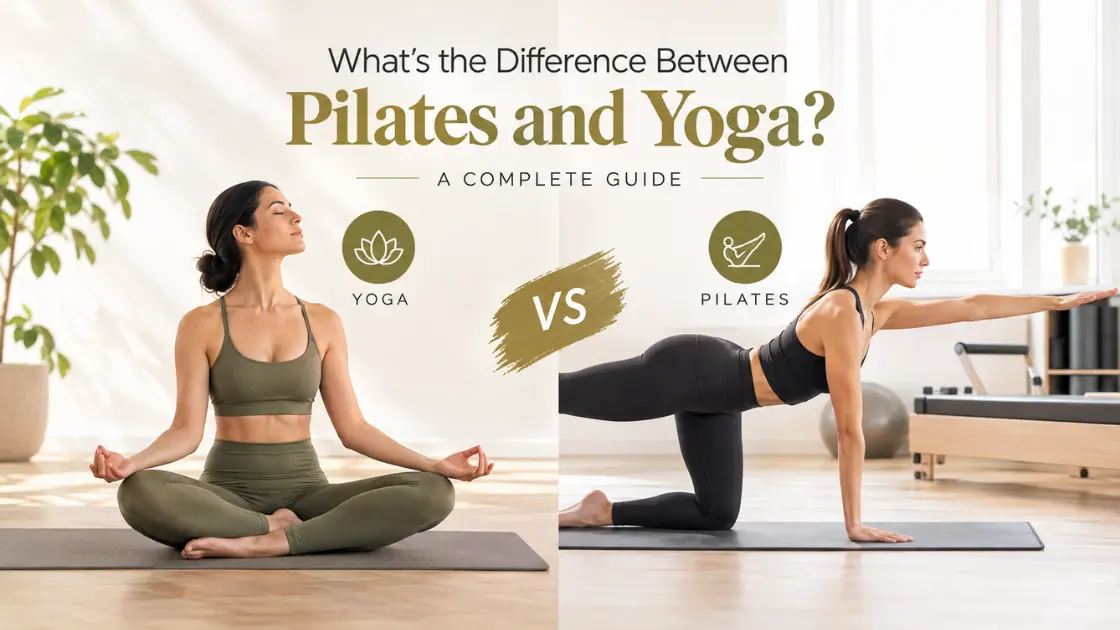
Somatic Yoga Vs. Traditional Yoga
The somatic yoga vs. traditional yoga debate really comes down to one thing: are you moving your body or listening to it?
Regular yoga is about movement: flows, poses, breathwork, building strength or flexibility. It follows a structure.
Somatic therapy is less about doing and more about noticing. There’s no sequence or perfect pose to change. You’re simply paying attention to what your body is quietly holding: tension, tightness, the way your breath changes when something feels hard. In simple terms, traditional yoga leaves you feeling better. But somatic therapy helps you understand and heal what your body has been trying to tell you all along.
Why Somatic Yoga Is Gaining Popularity in Auburn?
Life in Auburn moves fast. Work, family, responsibilities, and by the end of the day, there is nothing left for yourself. Self-care has become a luxury most people here simply cannot afford to prioritize. For a town that rarely slows down, that’s exactly what people need to find.
People in Auburn are not discovering somatic yoga because they suddenly have more time. They are discovering it because they finally got tired of feeling the way they feel and started looking for something that addresses the root of it rather than just pushing through it.
And what they are finding is that slowing down, even just once a week, is doing more for them than anything they had tried before. People are researching it, and the numbers reflect that. Somatic yoga is currently ranked and climbing as one of the next significant trends in wellness, and that curiosity is showing up locally too.
This is simply because it tends to resonate most with people who feel like something is still off even after trying traditional therapy, meditation, or regular exercise. It’s particularly meaningful for:
- Trauma survivors who carry stress in their body long after the mind has tried to move on
- People with anxiety who feel physically tense, restless, or unable to fully relax
- Those feeling emotionally stuck despite years of talk therapy
- Anyone who feels disconnected from their body or emotions
- Chronic stress carriers who are always “fine” but never fully at ease
If you’ve ever felt like your body holds onto things your mind has already processed, somatic yoga for stress and anxiety might be just the right thing you need to start.
How to Find the Right Somatic Yoga Classes in Auburn?
Not every class that calls itself somatic actually goes deep enough to make a difference. The space, the instructor, and the approach behind it all matter just as much as the practice itself. While finding a safe space for your somatic yoga, here are a few things worth looking for in an instructor who:
- Understands how somatic movement affects the nervous system, not just the muscles
- Creates a pace that actually slows down rather than pushing through discomfort
- Holds space for emotional release without making it feel clinical or overwhelming
- Guides you inward instead of correcting how a pose looks from the outside
Auburn does have spaces that take this seriously. The ones worth your time are those that go beyond a single class format and weave in complementary practices like breathwork and sound healing, because somatic work tends to go deeper when the body is supported in more than one way.
If you are new to it, starting somewhere that lets you try before committing makes the most sense. And if you agree to it, Insumatq Studio in Auburn is worth exploring. It’s one of the rarest studios that offers somatic movement, breathwork, sound healing, and other healing classes in one place.
What to Expect in Your First Somatic Yoga Class
If you join a somatic yoga class for stress and anxiety, your first class will feel nothing like a regular yoga session. This is simply because the pace is slow and intentional. The movements are minimal, and there’s no sequence to follow or keep up with.
Somatic yoga for beginners classes usually begin with grounding that brings your attention into your body rather than your thoughts. From there, a somatic yoga instructor will guide you through slow and intentional movement. You might need to pause frequently to check in with what you’re noticing physically.
You’ll most likely work with breath, gentle stretches, and body scanning, moving different areas of the body to notice where tension lives, where you feel numb, or where something suddenly shifts.
What most people don’t expect is that it can feel deceptively simple in the moment but hit differently afterward. Emotions can surface hours later. Sleep can change. A tightness you’ve carried for years might suddenly make sense.
Most importantly, the first class rarely feels transformative on the spot. What it does is start opening a conversation between you and your body that most people have never had before.
Start Your Somatic Yoga Journey!
Your body already knows how to move, heal, and find balance. It may simply need just the right space and guidance to start your journey. At Insumataq Studio in Auburn, you get that space with the right guidance and expertise.
Classes are designed to meet you where you are, whether you’re working through stress, processing old trauma, or simply feeling disconnected from yourself. Through somatic yoga, breathwork, sound healing, and more, you can release what you’ve been carrying for years.
Over time, you’ll feel genuinely different. Your sleep improves. Your responses to situations become more measured. The mental fog lifts. Emotional triggers that used to hijack entire days become easier to recognize and move through. The body feels less like something to manage and more like somewhere safe to live.
The benefits of somatic yoga for stress and anxiety go beyond the physical. It helps rewire your nervous system’s response to stress, so you’re not just feeling better in class. You’re responding to life differently outside of it. Clearer thinking, more emotional steadiness, a deeper sense of being grounded in who you are.
Take your first step to somatic yoga in Auburn at Insumataq Studio today!
Frequently Asked Questions (FAQs)
Yes. Somatic yoga helps regulate the nervous system and reduce cortisol levels. Many practitioners report noticeable improvements in sleep quality over time.
Unlike supplements or apps that address stress mentally, somatic yoga works at the physical level, releasing tension stored in the jaw, shoulders, and body that no pill or app can reach.
Even once a week can make a meaningful difference. Auburn residents report that a single weekly session is doing more for them than multiple other wellness methods they had previously tried.
Absolutely. It is especially valuable for trauma survivors whose bodies continue holding stress long after the mind has tried to move on, making it one of the most meaningful practices for deep emotional and physical healing.
Look for an instructor who understands how somatic movement affects the nervous system, slows the pace intentionally, holds space for emotional release, and guides you inward rather than focusing on perfecting poses.