
People are paying closer attention to their mental and physical well-being than at almost any other point in human history. This shift has led to more paths to healing than anyone can reasonably sort through alone.
Yoga, breathwork, therapy, meditation apps, somatic movement—the list keeps growing. This makes figuring out what actually fits your life feel less like finding the right answer and more like navigating an endless maze of possibilities. Amid all those options, a few tend to rise to the surface simply because people keep returning to them. Sound bath healing therapy is one of those. It doesn’t ask for prior experience or a particular belief system. It simply asks you to lie down and listen.
In this blog, we’ll explore what a sound bath actually is, what happens in your body and mind during one, and how this ancient practice might be exactly the reset your nervous system has been asking for.
Table of Contents
What Are Sound Baths?
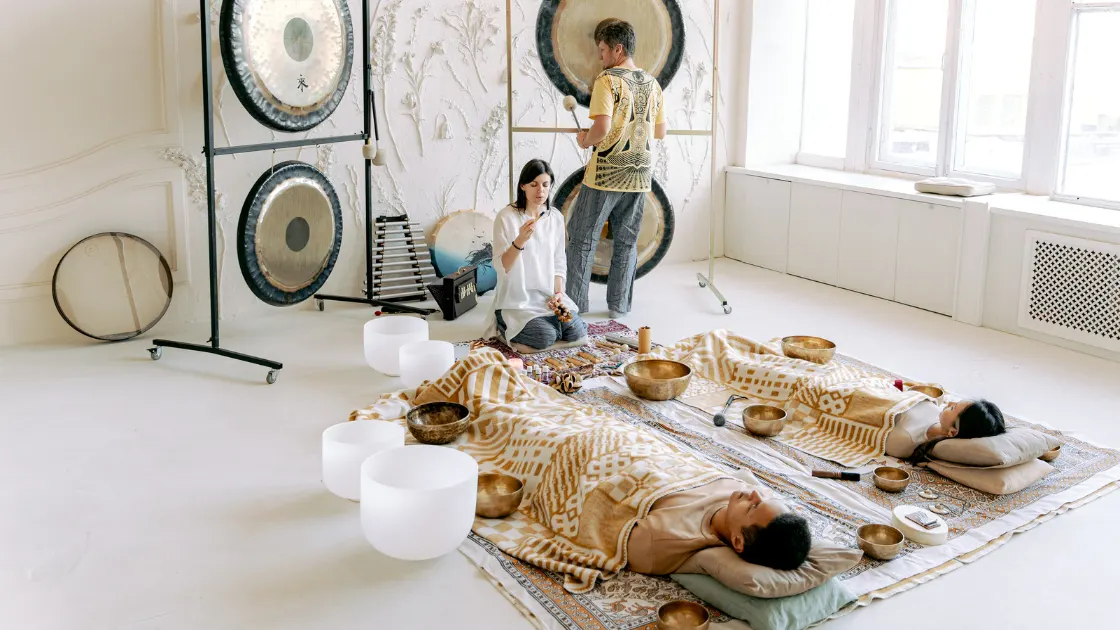
Sound bath meditation is a centuries-old practice designed to bring deep states of relaxation and meditation together. During sound bath healing therapy, practitioners work with a variety of instruments such as Himalayan singing bowls, crystal bowls, gongs, chimes, and occasionally the human voice blending them into a wash of tone that surrounds the listener from every direction.
Each instrument is designed to produce unique healing frequencies. Himalayan singing bowls, for instance, are known for warm, grounding tones that ease tension and support relaxation. Crystal bowls ring higher and clearer, often associated with cleansing and balancing the body’s energy centers.
Furthermore, vibration moves through the body the way it moves through water, reaching muscle and tissue and engaging the parasympathetic nervous system — the part responsible for rest and recovery. As that system switches on, heart rate slows, tension eases, and stress hormones drop.
What Does a Sound Bath Do?
A sound bath produces effects the body can measure — not just feelings it reports afterward. Sound waves traveling through the room reach the body as vibration. That vibration interacts directly with the nervous system that activates the parasympathetic nervous system the branch responsible for rest, digestion, and recovery, essentially the opposite of the fight-or-flight state most people carry around without realizing it.
As that system takes over, physical changes follow. Heart rate slows. Blood pressure often drops. Breathing deepens on its own, without any conscious effort to control it. Stress hormones like cortisol begin to decrease, giving the body a real break from the low-grade tension it’s been holding, sometimes for hours, sometimes for much longer.
Benefits of Sound Bath Therapy
A single sound bath healing therapy session rarely stays contained to the hour you spend lying there. Once the nervous system shifts into deep rest, that effect tends to show up elsewhere too in how well you sleep that night, how clear your thinking feels the next day, or how much physical tension your body has been quietly holding onto.
Here’s what people most commonly experience.
Stress reduction and anxiety relief
Most people walk into a session carrying more tension than they realize — jaw clenched, shoulders up near the ears, a kind of low hum of alertness that’s become background noise. The vibration from the bowls and gongs works against that directly. This gives the nervous system a clear signal to stop bracing, and the shift often happens fast — sometimes within the first few minutes of a session.
Improved sleep quality
For anyone dealing with restless nights, the deep relaxation of a sound bath can carry well past the session itself. The nervous system regulation triggered by sound often makes it easier to fall asleep and stay asleep. And people who attend regularly frequently notice their sleep patterns becoming more consistent over time.
Enhanced mental clarity and focus
Mental clutter tends to sound like a dozen half-finished thoughts running at once — an email you forgot to send, a conversation replaying itself, tomorrow’s schedule looping in the background. Sound baths interrupt that loop by giving the mind one thing to focus on instead of ten. People often notice the effect outlasts the session itself, with sharper concentration showing up hours — sometimes days, later.
Physical healing and pain relief
Vibration doesn’t stop at the skin. It moves into muscle and tissue, easing physical tension the same way it eases mental tension. Many people leave a session with less tightness in the body than they walked in with — a kind of relief that’s hard to get from sitting still and thinking alone.
Emotional release and healing
Some feelings sit too deep for words to reach on their own. Grief, old trauma, emotions someone didn’t fully realize they were still carrying sound have a way of loosening those without forcing anything. It’s common for that release to surface mid-session, sometimes as tears, sometimes as an unexpected wave of relief. Rather than something to guard against, it’s usually the part that makes the practice feel most restorative afterward.
Sound Bath Meditation vs. Other Relaxation Practices
Meditation asks you to sit with your own mind, often in silence, and that’s exactly where a lot of people get stuck. Racing thoughts don’t quiet down just because you’ve asked them to, and for anyone new to stillness, silent meditation can feel more frustrating than restorative. A sound bath healing therapy removes that pressure entirely. There’s no technique to master and nothing to silence on your own, the sound does that work for you.
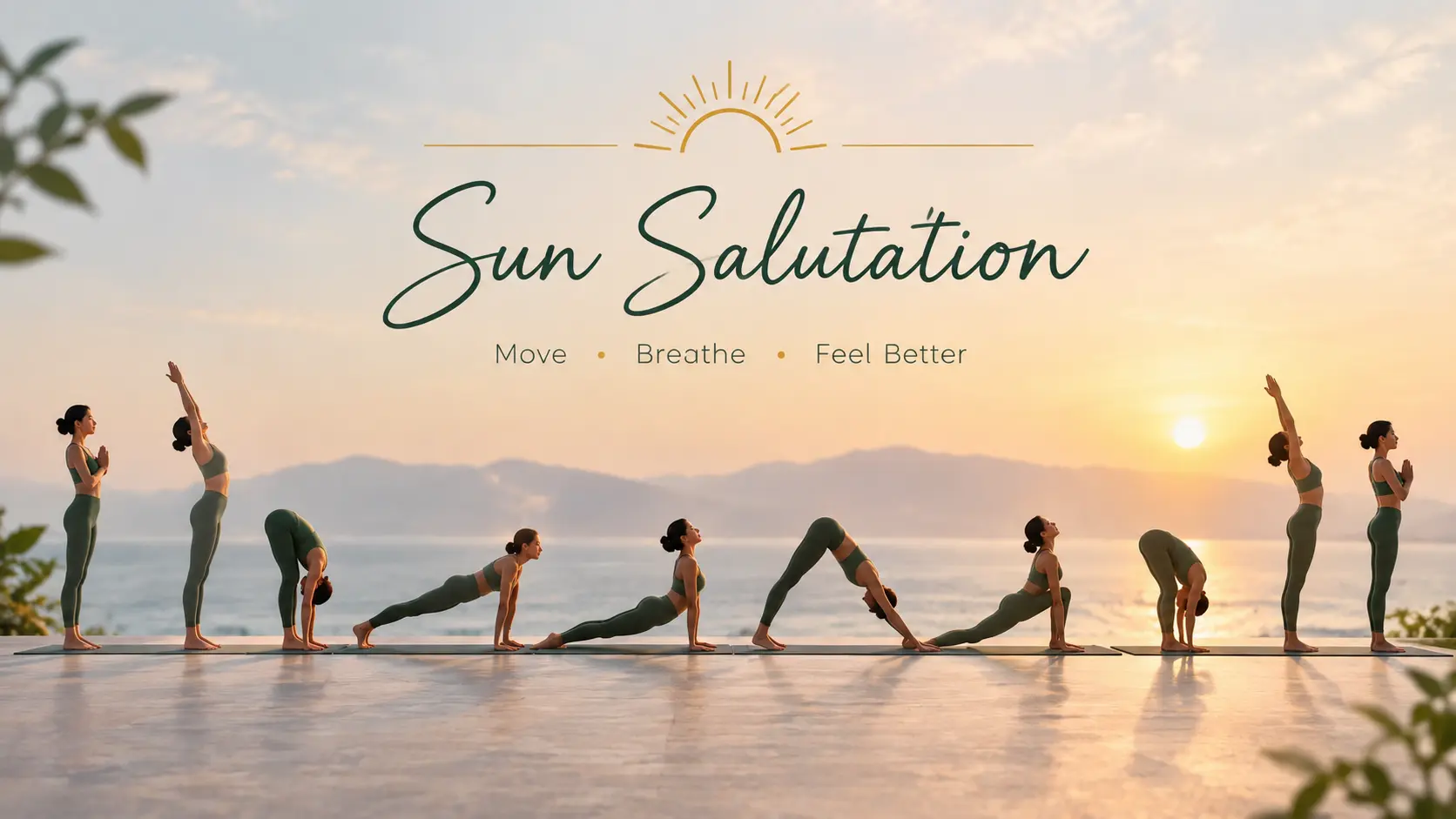
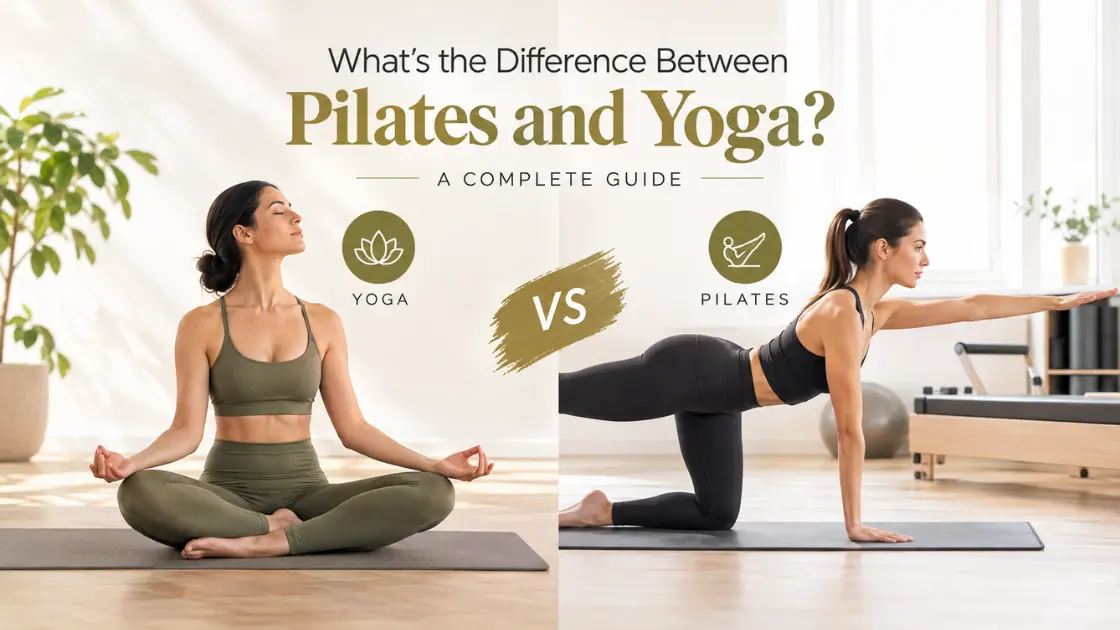
Yoga and breathwork bring the body into the process more directly, using movement or breath to shift the nervous system. Sound baths work through a different channel. Instead of asking the body to do something, they let vibration reach the nervous system passively, while you simply lie there and receive it. That makes sound baths especially accessible for people who find movement-based practices intimidating or who are dealing with physical limitations that make yoga or intense breathwork harder to access.
None of these practices compete with each other, they tend to work well together. Someone who already meditates might find a sound bath deepens that practice, offering an entry point into stillness that felt out of reach through silence alone. If you’re curious how sound-based healing compares to other paths in more depth, our guide on experiencing sound healing walks through what makes this practice distinct.
Who Can Benefit From Sound Bath Healing?
Sound bath healing works for almost anyone, which is part of what makes it different from more physically demanding practices. You don’t need flexibility, prior meditation experience, or any particular belief system to benefit. All it asks is that you show up and lie down.
- Anyone dealing with chronic stress or anxiety that’s built up quietly over weeks or months and doesn’t respond well to willpower alone. Our guide on sound healing for anxiety covers this in more depth.
- People experiencing burnout, since there’s nothing to perform or get right, just space to receive.
- Anyone who struggles with traditional meditation, especially if sitting in silence has never worked. Sound gives the mind something to follow instead of a blank space to sit with.
- People working through grief or emotional weight, offering a way to process without needing to talk through or push through anything.
- Anyone recovering from physical strain, since the practice is entirely passive and asks nothing of the body beyond lying still.
Conclusion
Calm doesn’t always come from doing more. Sometimes it comes from finally letting the body stop bracing, and that’s really what a sound bath offers. No technique to master, no belief system required. Just sound, doing the work your nervous system has been asking for all along.
Maybe you’re carrying stress that’s been building for months, or silent meditation has never quite worked for you. Either way, a sound bath meets you exactly where you are and asks nothing beyond showing up. And one session is often just the beginning. Many people find that pairing it with practices like healing through kirtan deepens the effect over time, each session building a little more on the last.
If you’re ready to feel that shift firsthand, book a sound bath session at Insumataq Studio and give your nervous system the reset it’s been waiting for.
Frequently Asked Questions (FAQs)
You lie down while a sound bath practitioner plays instruments like singing bowls, gongs, and chimes in layered sequence. There's nothing to do but stay present and let the sound move through you.
Yes, Insumataq Studio in Auburn, CA, offers sound baths and sound healing sessions as part of its regular class offerings. You can view the schedule and book a session here.
Just show up in comfortable clothing, ready to lie down for 45 minutes to an hour. A mat, blanket, and eye mask are usually provided, though bringing your own is fine too.
Sound healing therapy works passively, so it doesn't require flexibility, technique, or prior meditation experience. It's especially useful for people who find silent meditation or movement-based practices difficult to access.
Far far away, behind the word mountains, far from the countries Vokalia and Consonantia, there live the blind texts. Separated they live in Bookmarksgrove right at the coast