
What Does Yin Yoga Mean?
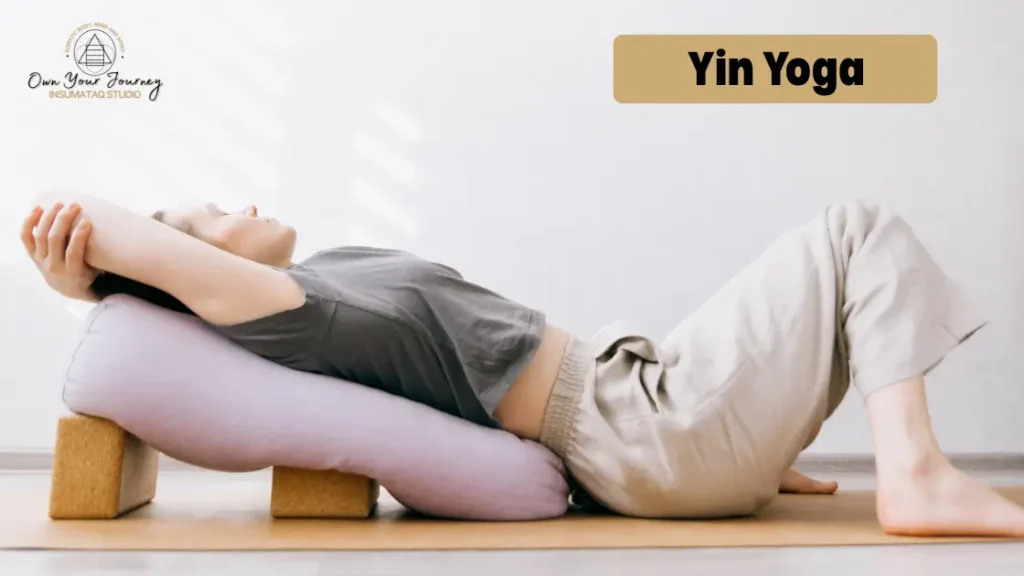
Yin yoga is a slow, meditative practice built around holding poses for extended periods, usually 3 to 5 minutes and sometimes longer.
Rather than working the muscles through movement, yin targets the connective tissue, ligaments, tendons, and fascia, using stillness instead. That slower pace is part of what makes yin so useful for building flexibility over time. Some of the best yoga poses for flexibility come directly from a yin practice, including:
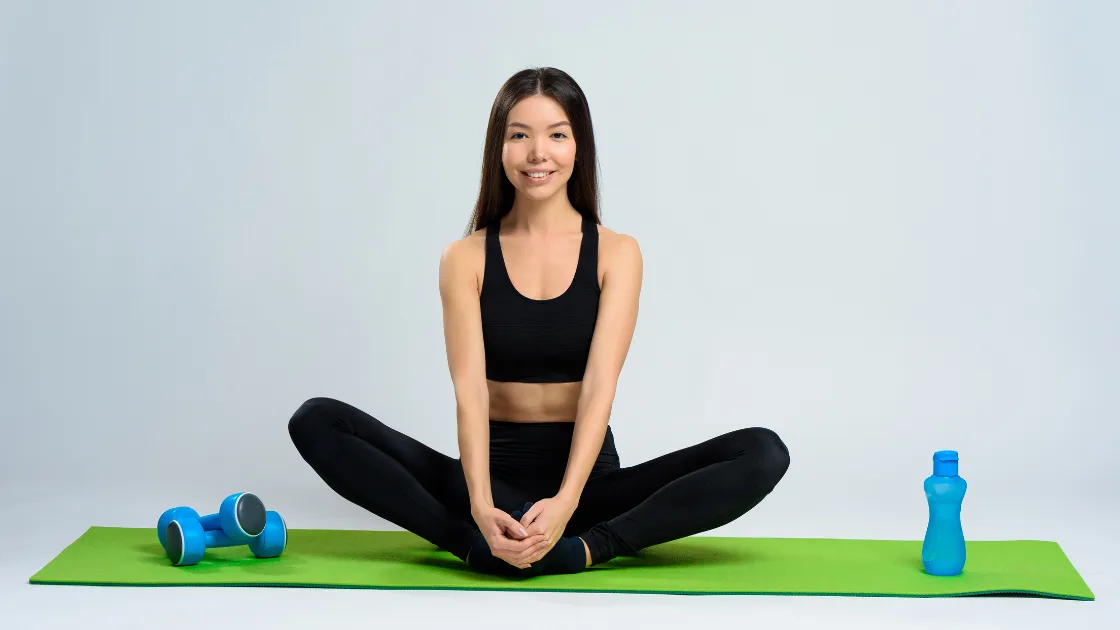
- Butterfly Pose — opens the hips and inner thighs
- Dragon Pose — deep hip flexor and quad stretch
- Sphinx Pose — gentle backbend that opens the chest and spine
- Caterpillar Pose — forward fold that stretches the entire back body
To put simply, yin is often a better starting point than a fast-moving class if you’re dealing with joint pain, recovering from an injury, or simply out of shape for anything cardio-heavy. For a full breakdown of beginner-friendly poses and how long to hold each one, our guide on 12 yin yoga poses for beginners covers exactly how to get started.
Is Yin Yoga Waste of Time?
Some beginners assume yin yoga is a waste of time since it doesn’t feel physically demanding. That’s the wrong way to judge it, yin isn’t built for calorie burn or strength, it’s built for flexibility and joint mobility, which improve gradually with consistency rather than intensity. The long holds give connective tissue the sustained time it needs to actually lengthen, something a fast-moving class simply doesn’t allow for.
What Does Vinyasa Mean?
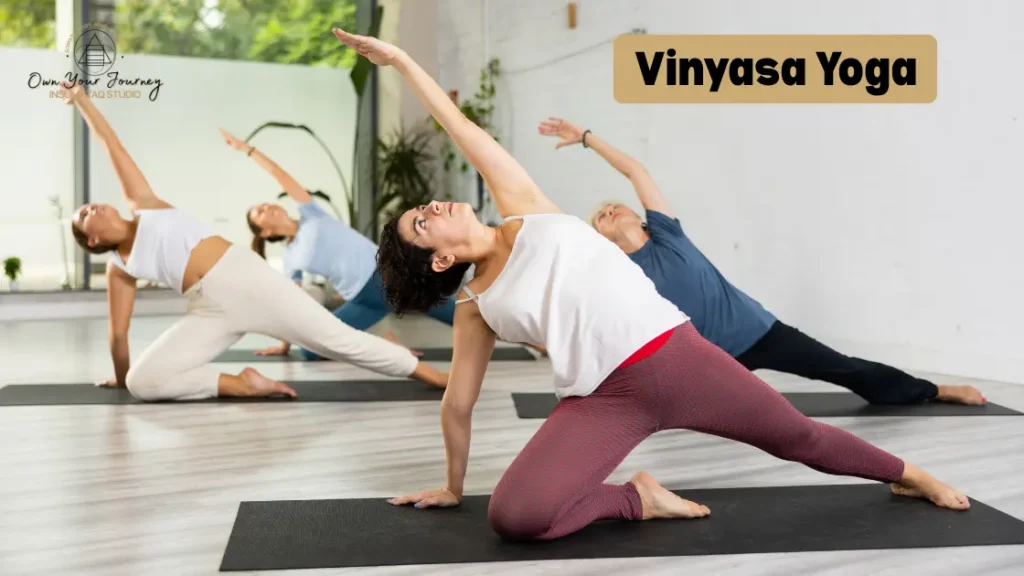
Vinyasa is a fast-paced, movement-driven style of yoga where poses flow continuously from one to the next – each synced with the breath.
Rather than holding still like yin, vinyasa links every movement to an inhale or exhale. This constant motion builds strength, cardiovascular endurance, and coordination, working the muscles directly instead of the connective tissue yin targets.
A typical vinyasa sequence might move through poses like:
- Downward Dog — a foundational pose linking breath to movement throughout the flow
- Warrior I and II — build strength and stability through the legs and core
- Chaturanga — a low push-up position used in most transitions
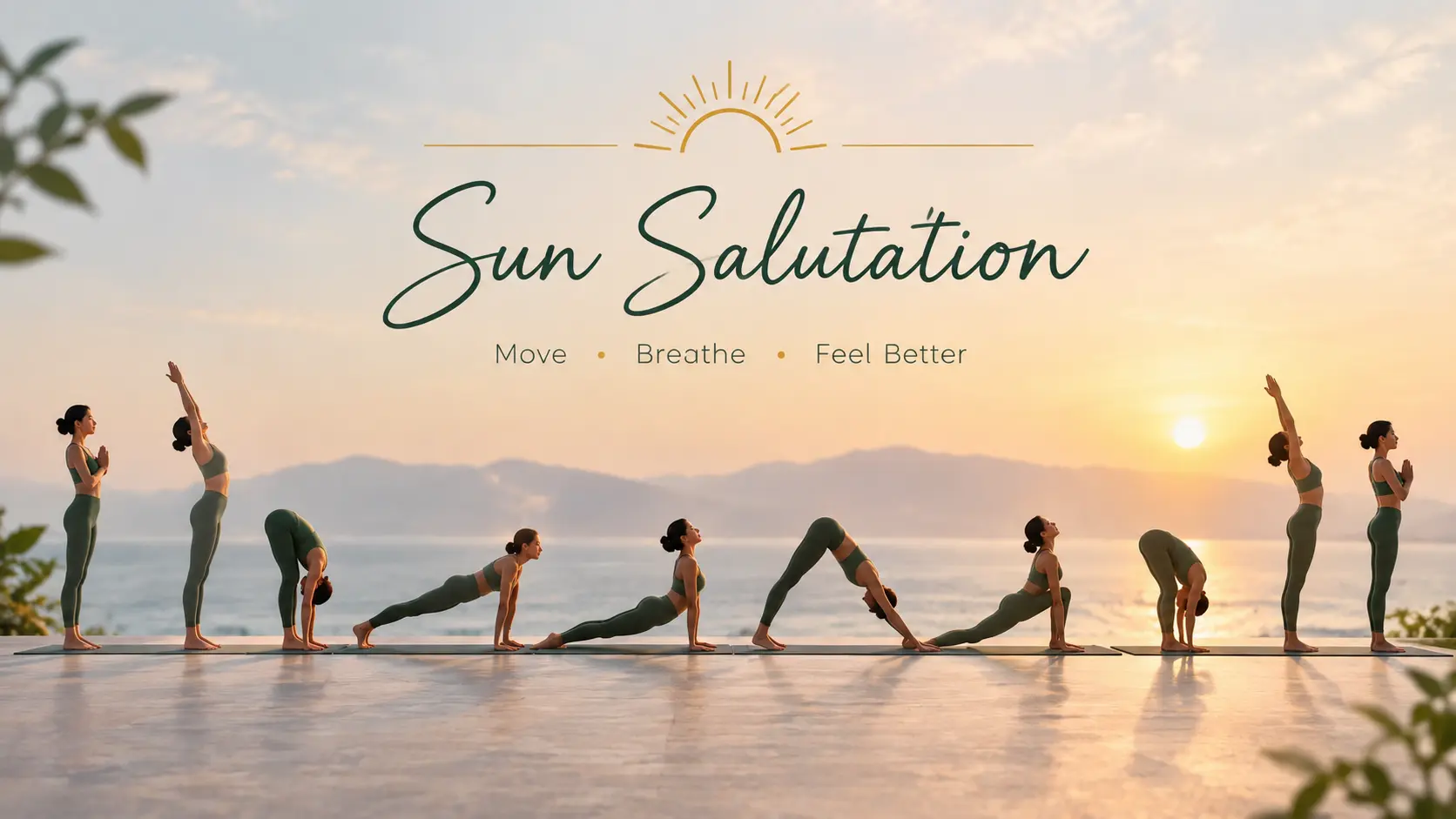
- Sun Salutations — a repeated sequence tying the whole class together
No two vinyasa sessions look exactly the same since sequences vary between classes and instructors. This is also a reason why it’s popular among people who don’t want to repeat the same routine every time.
For a beginner, that speed can be a lot. Poses change every few breaths, so there’s barely time to get your footing before the next one starts, unlike yin, where you hold one position for minutes. Most people need a few classes before the flow starts to feel natural instead of rushed. For a closer look at what a typical class involves, vinyasa flow yoga breaks it down in more detail.
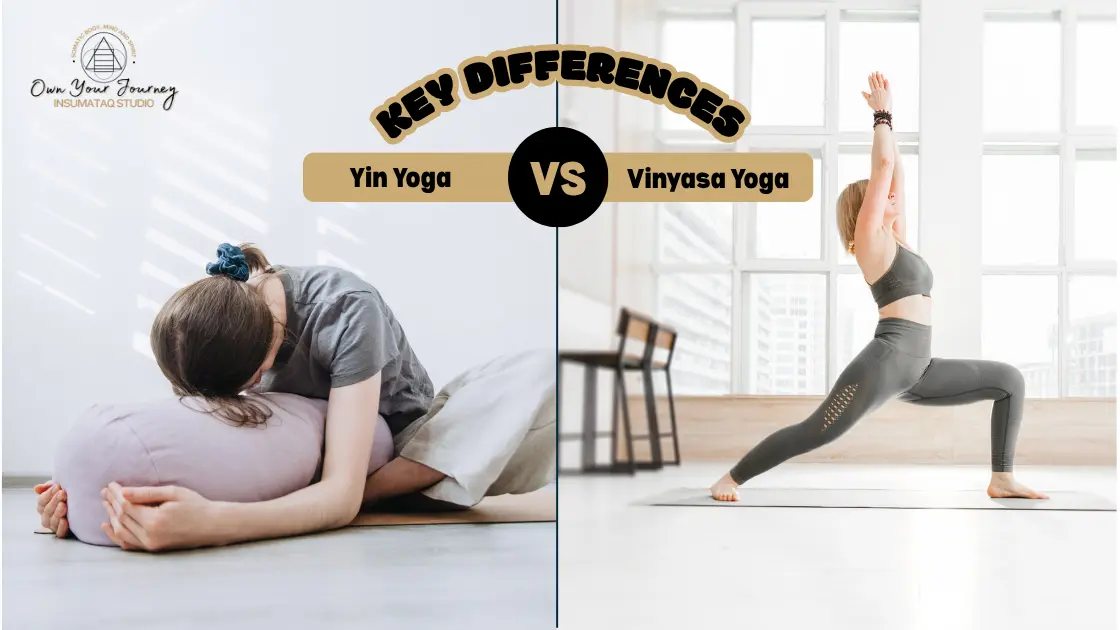
Yin Yoga vs. Vinyasa: Key Differences
Yin Yoga and Vinyasa can both help you build a regular yoga practice, but they take very different approaches. Understanding the differences can help beginners choose a style that matches their goals, comfort level, and preferred pace.
Ultimately, neither approach is objectively better. They’re just built to do different things. Hence, choosing between them comes down to what your body needs: still stretching or movement that builds strength and gets your heart rate up.
Which One Is Better for Beginners?
Most beginners pick a style based on whatever class fits their schedule, not what their body actually needs, and that’s usually where things go wrong. Someone dealing with tight hips and chronic stress ends up in a fast vinyasa class because it’s the only slot available, then leaves sore instead of relaxed. Someone hoping to build strength lands in a yin class and wonders why an hour of stretching didn’t feel like a workout.
Choose Yin yoga if:
- Your goal is flexibility, since connective tissue needs sustained holds to actually adapt, not quick stretches
- You’re managing stress or anxiety and need a practice that slows you down, not one that raises your heart rate
- You’re recovering from an injury or dealing with joint stiffness that makes fast movement risky
- You’d rather understand one pose fully than move through ten you don’t yet know
Choose Vinyasa yoga if:
- Your goal is strength, stamina, or a genuine cardio workout, not just stretching
- You get restless holding still and need movement to stay engaged
- You’re comfortable being a little uncoordinated at first while you learn the flow
- You want variety, since sequences change from class to class instead of repeating the same poses
Can Beginners Practice Both Yin and Vinyasa?
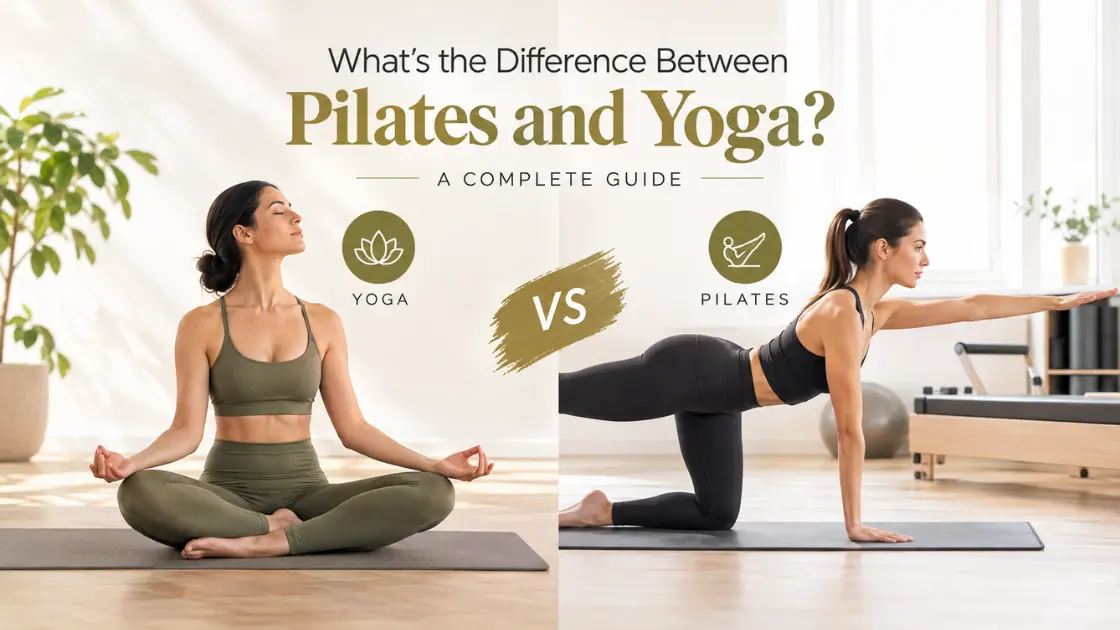
Yes. For most people, combining both actually works better than picking just one. They’re not competing practices, they’re complementary. Vinyasa builds strength and works the muscles, while yin targets the connective tissue and joints that vinyasa doesn’t really touch. Doing both means covering more of what the body actually needs instead of only training one side of it.
A common approach is alternating between the two through the week, vinyasa on higher-energy days, yin on days that call for recovery or stress relief. Some studios also offer hybrid classes that blend elements of both, giving beginners a lower-pressure way to experience each style without committing to a full class of either.
For a broader look at how different styles fit together, our guide on different types of yoga and their health benefits covers where yin and vinyasa fit alongside other practices worth trying.
How Often Should Beginners Practice?
Two to three sessions a week is a solid starting point, enough to build consistency without risking burnout. Mixing styles helps too, a vinyasa class or two for strength, paired with yin for recovery and flexibility.
Conclusion
Ultimately, yin and vinyasa solve different problems, not compete with each other. Yin builds flexibility and calms the nervous system through stillness. Vinyasa builds strength and stamina through movement. Most people end up doing both once they stop trying to pick a permanent side, and the only real way to know which one your body responds to is trying it.
If you’re in Auburn, CA, Insumataq Studio offers a range of movement and yoga-based classes to help you explore both styles and figure out what actually fits your body and pace.