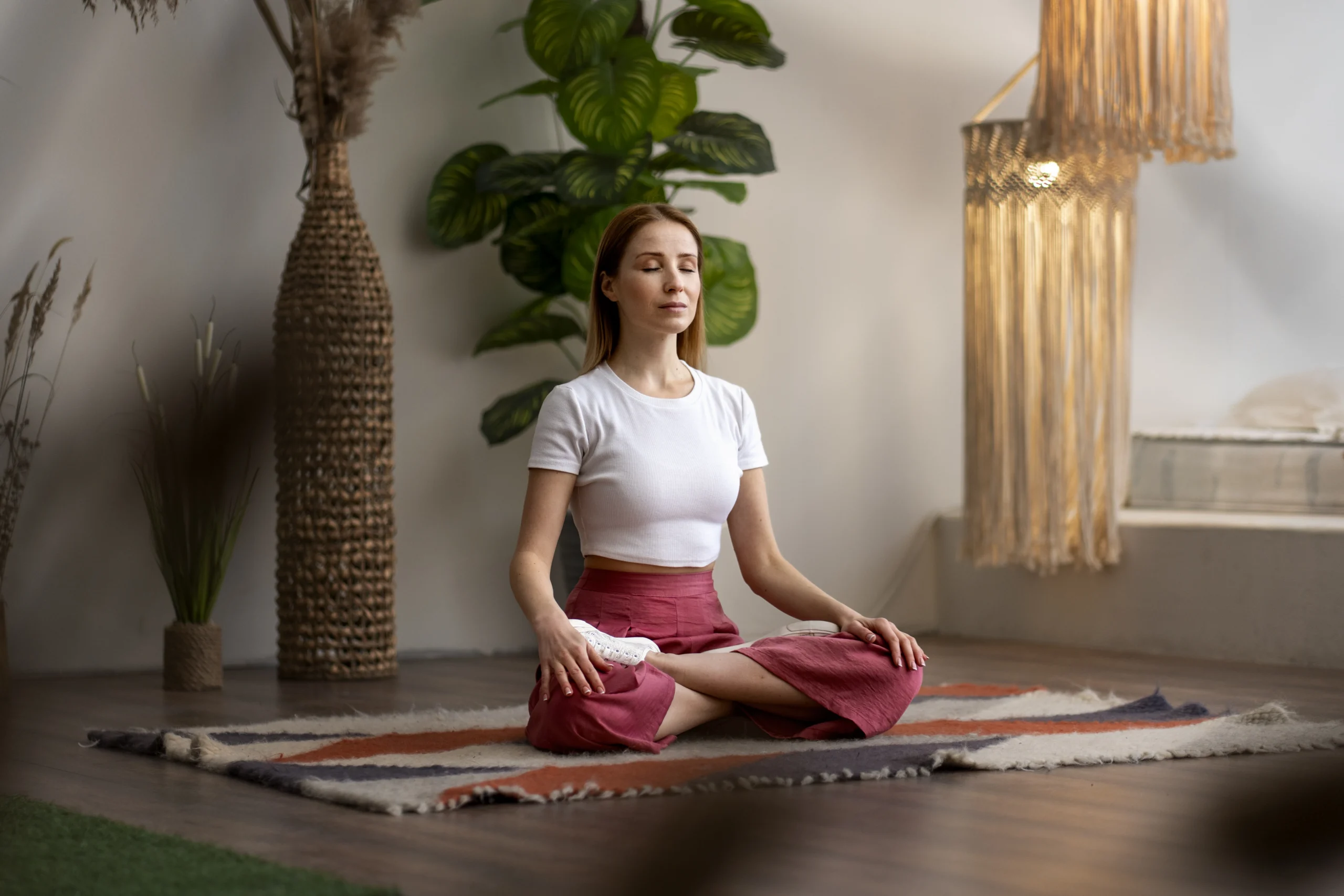

Difficult times have a way of surfacing emotions that are hard to name and even harder to sit with. Grief, anxiety, anger, and emotional exhaustion these don’t resolve on their own timeline, and pushing through them rarely works the way people hope it will.
Yet many people either push these emotions down or get pulled under by them, and neither actually moves anything forward. This is where meditations for emotional healing come into picture. Practiced by mental health professionals, meditation instructors, yoga practitioners, and individuals seeking emotional well-being, meditations for emotional healing offer something different.
It gives a way of learning to stay present with what’s happening inside without being consumed by it. This blog explains why meditations for emotional healing may help during difficult times.
☀ Quick Answer
Quick Answer — How Meditation Helps with Emotional Healing
Meditation for emotional healing helps people sit with and move through difficult emotions rather than avoiding or suppressing them.
- ✓Helps with: grief, anxiety, anger, burnout, and emotional overwhelm
- ✓How it works: builds awareness of emotions without being consumed by them
- ✓Main types: guided, mindfulness, breath-focused, and emotional detachment
- ✓Timeline: most people notice real shifts within 4 to 8 weeks of daily practice
- ✓Worth knowing: it works best alongside professional support, not instead of it
Why Difficult Emotions Can Be Hard to Process
Most people were never taught how to process difficult emotions; they were taught to push through or stay busy. Those strategies work in the short term, but they don’t resolve anything. The emotion gets stored rather than processed and it tends to resurface later in ways that feel disproportionate to whatever triggered it.
Some of the most common emotions people struggle to process:
- Grief and loss
- Chronic anxiety and worry
- Anger that lingers after the moment has passed
- Shame and self-criticism
- Emotional numbness or disconnection
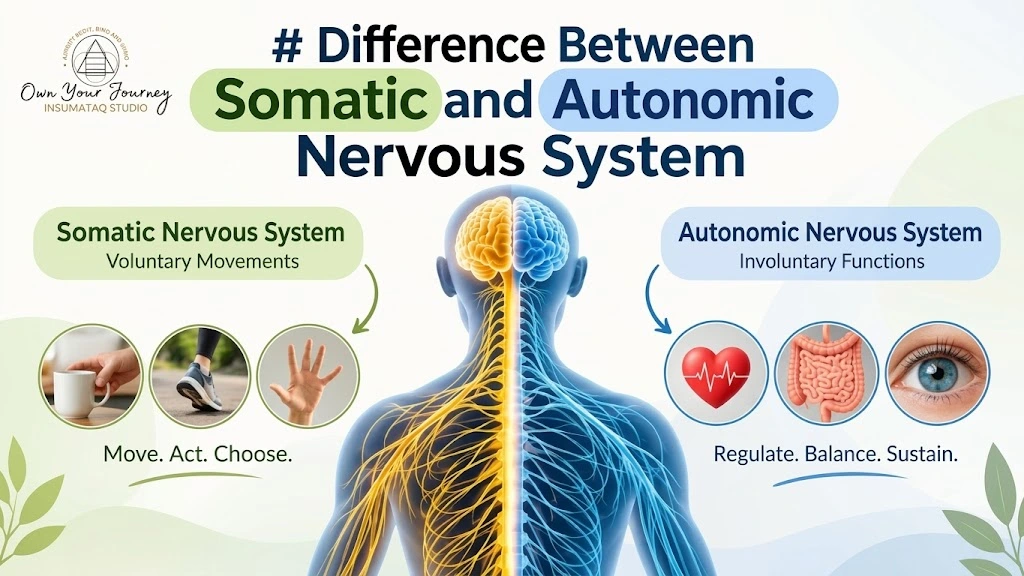
There’s also a physiological side to this. When a difficult emotion arises, the nervous system responds the same way it responds to a physical threat: heart rate climbs, breathing shortens, and the body braces. Avoidance becomes the default because sitting with the feeling starts to feel physically impossible.
That’s the cycle meditation interrupts not by removing the emotion, but by changing how the body and mind respond to it.
How Meditation Can Support Emotional Healing
Meditation doesn’t bypass difficult emotions. What it does is build the capacity to face them without being overwhelmed. With regular practice, the mind gets better at observing what’s happening internally rather than reacting to it immediately – and that pause, however small, is where emotional processing actually begins.
The science behind this is straightforward. Consistent meditation reduces activity in the amygdala, the part of the brain that drives emotional reactivity, while strengthening the prefrontal cortex, which handles regulation and perspective. The brain, in other words, gets better at responding to difficult feelings rather than being controlled by them.
With regular practice, meditation can help:
- Reduce emotional reactivity over time
- Build tolerance for uncomfortable feelings
- Improve the ability to identify and name emotions clearly
- Create distance between a feeling and the response to it
- Support nervous system regulation during emotionally intense periods
Ultimately, it’s also crucial to understand that what works for one person during grief may not work for someone dealing with anxiety or burnout. And that is why understanding the type of meditation matters as much as the practice itself, because knowing the difference helps you start with something that actually meets you where you are.
Types of Meditations for Emotional Healing
There is no single meditation practice that works the same way for every person or every emotional experience. Some people need structure and guidance. Others need silence.
The four practices below cover different emotional needs, and understanding what each one does makes it easier to find where to start.
Guided Meditation for Healing
When emotions are running high, deciding how to meditate is one more thing the mind has to manage. Guided meditation removes that friction. An instructor or recording directs your attention through the entire practice — where to focus, how to breathe, what to notice — so the thinking mind can step back and the nervous system can actually settle.
It works particularly well for:
- Processing grief and loss
- Reducing acute anxiety
- Building a first meditation habit when the mind feels too unsettled to self-direct
If you’re new to the practice, guided meditation is a good place to begin.
Mindfulness Meditation for Emotional Regulation
Mindfulness meditation trains the mind to observe what’s happening in the present moment without immediately reacting to it. Most emotional dysregulation happens in the gap between feeling something and responding to it. Mindfulness widens that gap deliberately and over time, that shift changes how emotions are experienced and processed.
It works particularly well for:
- Chronic anxiety and persistent worry
- Anger and emotional reactivity
- Building long-term emotional resilience
For people whose emotional regulation is closely tied to stress, meditation for reducing stress offers useful additional context.
Breath-Focused Meditation
The breath is one of the few functions the body runs automatically that can also be controlled consciously. That makes it a direct access point to the nervous system. Slowing the breath activates the parasympathetic branch, which brings the body out of stress activation and into a calmer state and that physiological shift directly affects how emotions feel in the moment.
It works particularly well for:
- Acute emotional distress and panic
- Anxiety that shows up physically in the body
- Moments when emotions feel too intense to sit with
Even a few minutes of slow, deliberate breathing during a difficult moment produces a measurable change in how the body and mind respond to what’s happening.
Meditation for Emotional Detachment
Emotional detachment in meditation isn’t about becoming numb to what you feel. It’s about learning to observe emotions from a slight distance as experiences that pass through, rather than permanent truths about who you are or what your life means. That distinction is smaller than it sounds, but it changes everything about how emotions are experienced.
When someone is deep inside grief, anger, or anxiety, the emotion feels total. Detachment practices create just enough space to see it as something happening rather than something you are. The feeling doesn’t shrink, but it becomes something you can actually work with.
It works particularly well for:
- Rumination and obsessive thinking patterns
- Emotional pain tied to identity or self-worth
- Situations where emotional distance is needed to make clear decisions
Can Meditation Help Control Emotions?
Many people turn to meditation to control emotions during difficult periods, but the word “control” is worth examining here. Meditation doesn’t suppress emotions or give you the ability to switch them off on demand. What it builds is the capacity to respond to emotions rather than be driven by them, and for most people, that turns out to be more useful than control ever could be.
People who meditate consistently don’t stop feeling difficult things. They simply develop a different relationship with those feelings. The emotion stays, but the automatic reaction to it loses some of its grip. There’s more space between feeling something and acting from it, and that space is where steadiness grows.
Research supports this. Long-term meditators show measurable differences in emotional reactivity and recover from difficult experiences more quickly than non-practitioners. The brain changes with consistent practice not in ways that dull emotion, but in ways that make it more workable.
How to Build a Simple Meditation Practice During Difficult Times
For people in the Auburn, CA area, the most straightforward way to begin is in a guided setting with people who understand what they’re doing. Insumataq Studio offers meditation and wellness classes designed for people navigating stress, emotional difficulty, and nervous system dysregulation. Starting in a supported environment removes the guesswork entirely. You’re not trying to figure out what to do or whether you’re doing it right; you’re simply showing up and being guided through it.
That kind of consistency is what builds a practice that actually holds during difficult times. Not willpower, not a rigid schedule, but a space you can return to that feels safe and intentional. For anyone in Auburn looking for exactly that, Insumataq Studio is one of the leading yoga and meditation studios in Auburn, CA.
Explore upcoming holistic wellness events at the studio, or book a wellness class today and experience it firsthand.
Frequently Asked Questions (FAQs)
Most people notice subtle shifts in emotional reactivity within 4 to 8 weeks of consistent daily practice. Deeper emotional healing takes longer and depends on what’s being processed and how regularly the practice is maintained.
No. Meditation is a powerful supportive practice but it doesn’t replace professional therapeutic support, particularly for trauma, depression, or complex grief. The two work well alongside each other.
Daily practice produces the most reliable results, even if sessions are short. Research suggests that 10 to 20 minutes per day is enough to produce measurable changes in emotional reactivity over time.
Morning practice sets a regulated emotional baseline for the day. Evening practice helps process what the day brought up and supports better sleep. Both work, but consistency matters more than timing.
Mindfulness meditation involves self-directed present-moment awareness with no external guidance. Guided meditation is led by an instructor or recording that directs your attention throughout the session. Guided is generally easier for beginners and during emotionally difficult periods.