

Table of Contents
Life can feel like a pressure cooker sometimes. Work piles up, your phone won’t stop buzzing, and even small annoyances start to feel like emergencies. This is a time of earth where stressing is as costly as driving a luxury car with no brakes – impressive on the outside, but dangerous within. But what if there’s a solution that goes beyond any productivity hack or expensive therapy? What if it was something far simpler?
Meditation isn’t about becoming a Zen master or sitting cross-legged for hours. It’s about giving your brain a break from the noise. It’s like pausing a crazy movie for a while to catch your breath and remind yourself that you’re not really in danger. This is, in fact, backed up by science that regular meditation changes the way your brain handles stress, making you less reactive and more adaptable.
The best part? You can do it anywhere—stuck in traffic, before a big meeting, or even hiding in your bathroom for five minutes of peace. No apps, no fancy gear, just you and your breath and perhaps a yoga studio or wellness center. If you’re tired of stress running the show, meditation might be the quiet rebellion you need. Let’s talk about how it works—without the spiritual fluff or unrealistic expectations.
Why and How Meditation?
Anyone with even a passing familiarity knows meditation exists—and that it can help heal from within. For those completely new to it, understand this: meditation isn’t magic. But it does change your mind, literally rewiring your brain over time.
When stress strikes, your body flips into fight-or-flight mode: heart pounding, muscles tightening, thoughts spiraling out of control. Meditation acts like a manual override for that panic response. It trains your brain to pause before reacting, so stressful moments don’t turn into overwhelming days.
When you meditate regularly, the part that reacts to stress and fear (called the amygdala) gets smaller, and the part that helps you stay calm and make smart choices (the prefrontal cortex) gets stronger. That means you’re less likely to panic and more likely to stay clear-headed. Research shows that meditation can lower stress hormones, reduce anxiety, and improve focus—no medication required.
So how does it actually work? It’s simpler than you think.
Stay in the present: Instead of worrying about the past or future, you focus on what’s happening right now—like your breathing, nearby sounds, or how your feet feel on the floor.
Notice without judging: Your mind will wander, and that’s okay. Just gently bring your focus back each time. This practice helps your brain get stronger and calmer over time.
Starting is better than doing nothing: Just 5 minutes a day can help. It’s more important to do it regularly than to do it for a long time.
You don’t need total quiet or to sit like a monk. You can try it right now: take three slow breaths and pay attention to how the air feels going in and out. That’s all it takes to begin. The more you do it, the more your brain learns to stay calm instead of freaking out.
The takeaway for you? Meditation isn’t about clearing your mind—it’s about training it to work better. And in a noisy, stressful world, that’s a really useful skill.
Benefits of Meditation
Now, the question is what meditation actually does for you. Meditation is an ancient practice that has helped monks, yogis, and many other practitioners with its powerful effects on the brain and the body.
1. Emotional and Physical Well-Being
Neuroscientists found that regular meditation physically changes your brain structure. It strengthens parts of your brain that help you focus, stay calm, and manage emotions. For example, the prefrontal cortex is responsible for decision-making and self-control. At the same time, it shrinks the amygdala, the area that triggers fear and stress. This means you become mentally stronger and more aware. Instead of reacting automatically to stressful situations, you gain the ability to pause, think, and choose how to respond.
2. Stress & Anxiety Relief
Your body isn’t designed for constant stress, but modern life pushes us to it anyhow. But when you start meditating, it doesn’t just temporarily calm you down; it fundamentally changes how your nervous system operates. Research shows that within weeks of consistent practice, your body starts reacting differently to stressors. Instead of a full-blown panic reaction to an angry email or a missed deadline, you develop what scientists call a “pause-and-respond” pattern. Your heart rate stays steadier, your breathing remains deeper, and your thinking stays clearer under pressure.
3. Better Sleep
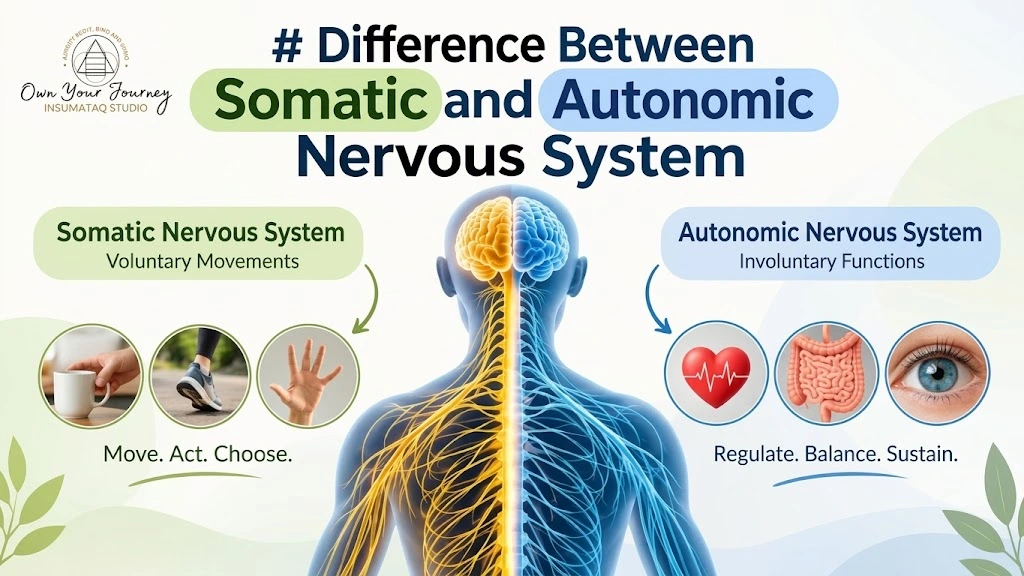
If you struggle with restless nights, you can’t force yourself to sleep. However, you can create the conditions for sleep to find you. That’s where meditation works differently. Meditation can activate your parasympathetic nervous system. Unlike sleep aids that knock you out, meditation triggers your body’s natural wind-down sequence. It shifts your nervous system from “alert” to “at ease” by stimulating the vagus nerve. Your breathing slows, your muscles release tension you didn’t know you were holding, and your brain waves actually begin shifting toward alpha patterns.
4. Emotional Resilience
The truth is that the more you try to suppress or control difficult emotions, the stronger they become. But meditation offers a counterintuitive solution, not by eliminating negative thoughts, but by changing your relationship with them entirely. Think of your mind as a snow globe. When shaken (by stress, anger, or worry), the flakes swirl chaotically. Most people keep shaking harder, hoping to “fix” the turbulence. This is where meditation teaches you to set the globe down and watch the flakes gradually settle, and that too, without interfering.
Conclusion
Meditation is the quiet break your mind needs in a world that never stops running—not to escape reality, but to face it with clarity. Scientists have confirmed what people have known for a long time: just a few minutes a day can change the way your brain works so that you can handle stress better, sleep better, and face problems with strength instead of fear. The best part is that you don’t need any special skills, tools, or even complete silence to do it. All you need is a trustworthy meditation center in Auburn and the will to breathe and pay attention.
At Insumataq Studio, we make this life-changing practice easy to access by giving you personalized meditation lessons that fit your schedule. Our expert-led lessons help you build sustainable habits for lasting calm, whether you’re new to meditation or want to get better at it. You don’t have to be stressed all the time. Begin your journey to a calmer, clearer mind with us – start today!