

Constant alerts, packed schedules, emotional pressure, as well as endless decisions keep the body stuck in “on” mode.
Many people have to live with tight shoulders, restless sleep, shallow breathing, and a mind that never seems to keep quiet. Eventually, this state of overload becomes the body’s new normal. However, meditation can help, as it offers a way back to balance that doesn’t require effort or willpower. The brain receives a simple message when you slow your breath and bring attention to the present.
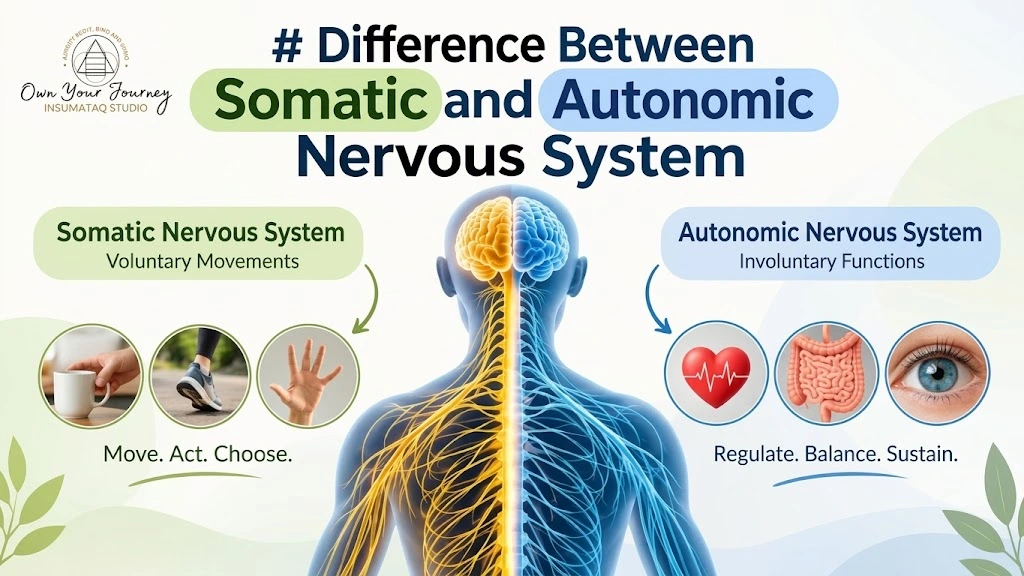
In fact, research shows that regular meditation reduces activity in stress-driven brain circuits as well as increases parasympathetic nervous system response. This shift is not just about feeling relaxed for a few minutes. Let’s find out how meditation will actually help you reset and regulate your nervous system .
What Happens to the Nervous System Under Stress
Stress vastly changes how the nervous system behaves almost instantly. The brain senses pressure and flips into protection mode.
Heart rate picks up, breathing shortens, and muscles brace as the body prepares for action. This response is meant for moments that actually require quick alertness. The issue is that everyday life now triggers the same reaction again and again. The body loses its ability to settle when that state becomes constant.
The system responsible for rest, digestion, and repair struggles to step in. Stress hormones stay high, sleep becomes shallow, and emotional reactions feel stronger than they should. Even small demands can start to feel heavy, not because the situation is extreme, but because the nervous system never truly resets.
How Meditation Resets the Nervous System
Meditation works on the nervous system in a very simple way; it tells your body that things are safe.
Stress keeps your system stuck in protection mode even when nothing dangerous is happening. Slower breathing and steady attention switch on the part of the nervous system that controls calm, digestion, and recovery. Your heart rate settles, and stress hormones begin to drop. This is not just “feeling relaxed.” In fact, your body is literally shifting out of survival mode.
What makes meditation powerful is repetition. Each session teaches your nervous system how to come down faster after pressure hits. Eventually, the brain’s alarm center becomes less reactive. Plus, the areas responsible for emotional control become stronger. This means stressful moments still happen, but they no longer hijack your body in the same way. You recover more quickly instead of staying tense for hours or days.
How Meditation Regulates Nervous System Over Time
The truth is meditation doesn’t change the nervous system in one dramatic moment. It works the same way physical training changes the body, through repetition.
At first, brain reset meditation feels like something you do for a few minutes. But eventually, it becomes something your nervous system remembers. When you practice regularly, it changes how the brain predicts as well as responds to stress.
Instead of bracing for impact at every demand, the system starts to recognize patterns as well as conserve energy. This is not about staying calm all day. It is about reducing unnecessary internal reactions that drain the body as well as the mind.
One of the biggest shifts happens in how your body handles emotional and physical triggers. People who meditate consistently show better heart rate variability (a key marker of nervous system flexibility). This means the body can adapt quickly and speed up when needed as well as slow down afterward.
Types of Meditation That Support Nervous System Regulation

Not every type of meditation affects the nervous system in the same way. Some styles are especially helpful when your body feels tense, overstimulated, or stuck in stress mode. The goal is not to “do it perfectly,” but to give your system a chance to slow down and regulate the nervous system.
Breath-focused meditation is often the easiest place to start. You simply sit and follow your breathing. When the breath slows, the body follows. Many people notice that even a few minutes helps release tightness and quiet the constant background tension that builds during the day.
Body scan meditation works more through awareness. You gently move your attention through different areas of the body and notice what feels tight or restless. As you stay with each area, the body naturally begins to soften. This can be especially helpful for sleep, physical stress, or that “wired but tired” feeling.
Loving-kindness meditation shifts the nervous system through emotion rather than silence. By focusing on feelings of care and safety, the body moves out of defensive patterns. It often helps with emotional reactivity and social stress.
Guided relaxation is great when your mind does not want to slow down on its own. A calm voice leads you through breathing and imagery, allowing your system to settle without effort.
How to Get Started?
Meditation is not about sitting perfectly or “clearing your mind.” It’s about giving your nervous system a chance to breathe again. When you practice regularly, your body starts responding differently to stress, emotions, and pressure. You don’t stay stuck in tension. You recover faster. Life still happens, but it stops living inside your body.
If you’re wondering how to begin, the easiest way is not doing it alone. Many people give up because they are unsure if they are “doing it right” or feel disconnected during solo practice. That’s why guided support matters. At Insumataq Studio, meditation is paired with breathwork, sound sessions, trauma-release movement, PSYCH-K therapy, and mindful movement that help your body actually let go, not just think about relaxing.
You don’t need experience. You don’t need perfection. You just need a space that helps you feel safe enough to reset your nervous system. If you’re ready to start feeling that shift, joining Insumataq Studio is the right place to begin.