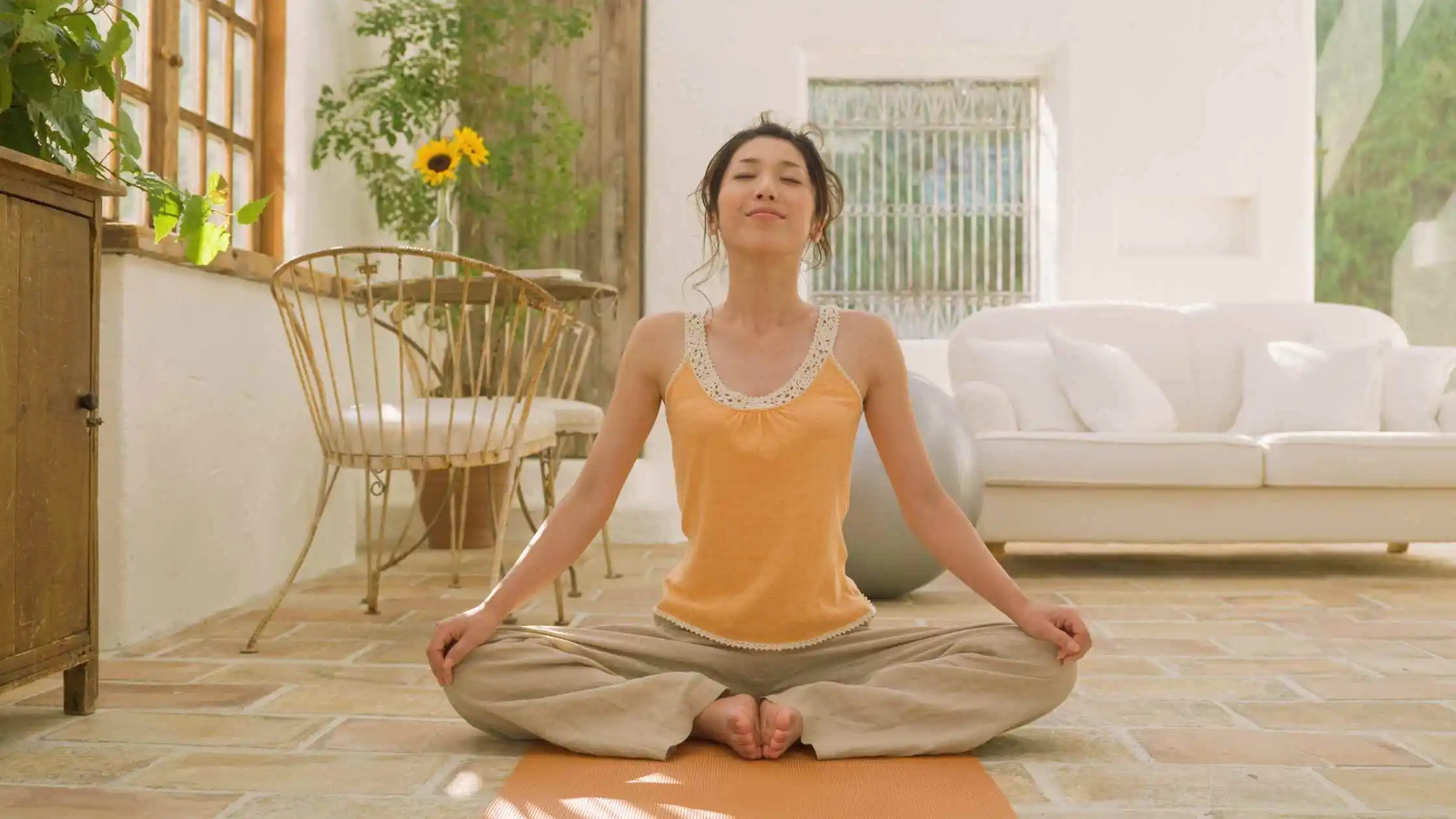

Doctors, yogis, athletes, spiritual gurus, healers, fitness enthusiasts, and almost everyone are talking about meditation and its unbeatable benefits.
Today, people do not perceive meditation as just another trend that’ll get outdated any minute now. In fact, they are discovering what has always been embraced for centuries through social media, podcasts, and many other ways. It’s no longer considered a niche practice reserved for a select few.
Doctors are using mindfulness meditation as a tool for healing. Athletes are incorporating mindfulness for peak performance. Healers are using it to promote balance to the mind, body, and spirit. If you’re new to this niche or want to know more about it, OY Journey has got you covered! Let’s dive deeper into the meditation pool and learn everything about it.
What Is Meditation?
Meditation is simply a practice of becoming focused, aware, and calm.
During meditation, you sit quietly and pay attention to your breathing. Yet beneath that simplicity, a great deal is happening internally. You sit in a relaxed, attentive posture where you bring your awareness to a single point of focus. You breathe slowly and steadily and may repeat a word or sound. After a few seconds, your mind might drift. You may start overthinking, imagining, or remembering. Many people think it’s a mistake and they are doing it the wrong way.
But the truth is, the practice itself involves the art of noticing/observing your thoughts, accepting them, and gently bringing them back until you get perfect at it. Over time, your chattering mind begins to slow down. The constant stream of thoughts softens, and you become more steady and clear in how you think as well as respond.
History of Meditation
Meditation didn’t begin as a relaxation technique. In fact, it was mainly associated with monks and spiritual traditions in earlier times. However, the earliest known references to the practice appear around 1500 BCE in ancient India, where it was part of early Hindu traditions.
Over time the practice moved beyond India. It became central to Buddhist teachings, which carried it across Asia into China, Japan, and Southeast Asia. Different cultures shaped it in their own ways. But the core idea remained the same: observing thoughts instead of being controlled by them.
Today, meditation is no longer limited to religious traditions or monastic life. It has become a popular habit used by people in everyday settings, including homes, workplaces, schools, and clinics. Modern research has also helped meditation gain wider acceptance because of the number of benefits it provides.
The Benefits of Meditation

People continue to practice mindfulness meditation for a simple reason: regular practice creates noticeable changes in daily life.
Physical Benefits
- Helps your body release stored tension
- You feel more refreshed instead of drained
- Makes falling asleep easy and quiets the chattering mind
- Reduces stress and controls anxiety
- Help improve attention span and immune system
Mental Benefits
- Improve your ability to stay focused
- Helps think more clearly and reduces negative overthinking
- Helps you pause in certain situations instead of reacting
- You become better at creativity and problem-solving
- Improves memory and overall mental well-being
Spiritual Benefits
- Helps you understand your thoughts
- Creates a sense of inner calm, even during busy days
- Helps you feel more connected to yourself
- Makes stillness feel comfortable rather than uncomfortable
Now, to experience the above benefits, you need to be regular with meditation. It does not require a perfect routine, special equipment, or long hours of practice. With consistency, even small sessions can create steady changes.
How to Start Meditation (Tips & Techniques)
For a beginner, mindfulness meditation can feel very confusing. Many people don’t know exactly what to do with those thoughts. This is where they often quit or force themselves to calm down and not overthink.
Here’s the simple way to start.
1. Pick a Time You Can Repeat Daily
Meditation works through consistency, not duration. Choose a moment you already have available, like right after waking up or before going to bed. Avoid choosing a random time of the day because the brain builds habits through repetition. Even five minutes at the same time daily is more effective than thirty minutes once a week.
2. Use a Timer instead of Checking the Clock
If you constantly wonder, “how much time is left?” you’ll never be able to actually meditate. Hence, set a soft alarm for 5-8 minutes and put your phone on silent mode so notifications don’t disturb you. This allows your attention to actually stay on the practice instead of time. You can slowly increase the duration of practice later.
3. Sit Comfortably (Not Perfectly)
You don’t necessarily need to be in a cross-legged pose to meditate. You can sit on a chair with both feet on the floor or on your bed with your back supported. This pose helps keep your back upright enough to stay awake and relaxed enough that you are not straining.
4. Focus on Breathing (Don’t Control)
Close your eyes gently and try to focus on your natural breathing pattern. Pay attention to the air moving in and out of your nose or the rise and fall of your chest. Don’t force yourself for anything, not even a longer breath. Allow yourself to breathe naturally and simply observe it.
5. Understand What to Do with Thoughts
No doubt, your mind will start wandering the minute you sit with closed eyes. You will start thinking about messages, work, memories, or plans. This absolutely does not mean you’re doing it incorrectly. The practice is actually the moment you notice you got distracted. Each time you realize it and return to your breath, you are training your attention, just like repeating a small mental exercise.
6. Try a Guide or Coach
Starting alone can feel frustrating because you are not always sure if you’re doing it correctly. A guided meditation or coach can help make the process much easier. If you want a supported environment where you gradually build your routine, you can join mindfulness meditation at Insumataq Studio in Auburn, Loomis, Roseville, and Granite Bay. We guide you through simple sessions designed specifically for beginners, intermediate, and even professionals.
7. Keep Expectations Realistic
You’ll not get your mental stress or anxiety issues solved immediately. Some days your mind will feel busier than usual. This is completely normal because you’re noticing your thoughts that were always there. Meditation is not about stopping thoughts; it is about changing your relationship with your thoughts. When you practice regularly, you begin reacting less and observing more.
Conclusion
Meditation is simple but not always easy at the beginning.
Many people start meditation for stress relief others start it to improve focus and other areas of life. But they stop because they expect instant results like a completely quiet mind. In reality, meditation works gradually. The first change you often notice is small, like better awareness and sleep quality.
Also, you don’t need longer sessions or complicated routines initially. A few consistent and guided minutes each day can train your attention and help you handle daily stress with more steadiness. If you would like support while building your practice, you are welcome to join Insumataq Studio. Our guided mindfulness meditation sessions are designed for beginners as well as continuing practitioners. It’ll help you achieve your meditation goals, develop a routine, understand your thoughts, and make meditation a natural part of your daily life.
For more information on meditation techniques for anxiety/stress, yoga meditation, and somatic therapy, feel free to contact us.