

Table of Contents
Stress, anxiety, and burnout have quietly become part of everyday life. Even after trying meditation, exercises, supplements, people still feel trapped in worry, stress, and anxious emotions. This has led to a growing search for solutions that are more calming, accessible, and deeply restorative.
In the last few years, sound healing has quietly moved from ancient temples and spiritual circles into wellness studios, workplaces, retreats, and even clinical environments. People describe it as a kind of rest that goes deeper than sleep, a state where sound vibrations seem to massage the mind and the body all at once.
Its popularity is rising simply because sound healing therapy has proven to help people truly decompress, rather than just provide temporary distraction. Let’s see how!
Reasons Sound Healing is Becoming Popular
Sound healing is becoming popular because people are noticing that they can’t simply think their way into relaxation. You can tell yourself to calm down a thousand times, but if the body is still holding emotional stress, the mind keeps looping back to it.
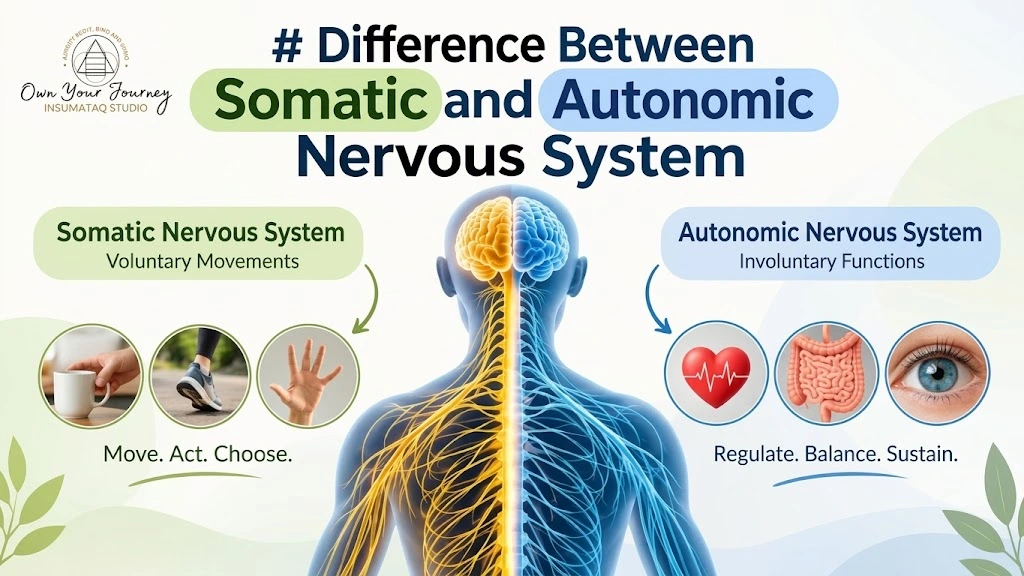
People have started to realize that stress lives in different parts of the body. For some people, it sits on the shoulders. For others, it’s the gut, the head, or the lower back. The nervous system runs through all of these areas, so when stress builds up, it doesn’t just stay in one spot; it moves, shifts, and settles in different parts of the body depending on how long and how intensely we’ve been carrying it. That’s why sometimes you feel fine mentally, but the body still feels heavy, tight, or on edge.
The vibrations from sound therapy work in a different way. They give the nervous system a direct experience of calm. Instead of fighting tension mentally, the body is given a chance to soften at its own pace. As people experience relief that they feel, not just imagine, it spreads through the words. Today, in many parts of the world (especially California), it has become a practical, approachable method for genuine whole-body restoration.
How Stress, Anxiety & Burnout Affect the Nervous System
Stress, anxiety, and burnout don’t just sit in the mind. They imprint themselves onto the body through the nervous system.
When the brain perceives pressure or emotional threat, it activates the sympathetic nervous system, often called the fight-or-flight mode. It is helpful for short bursts of alertness, but it creates a state of ongoing tension when activated repeatedly or continuously. Eventually, this constant activation leaves the body and mind feeling drained. The parasympathetic nervous system (responsible for rest and recovery) struggles to bring the body back into balance.
A key challenge is that people often try to “mentally relax,” but the cognitive brain can’t override a nervous system that’s locked in survival mode. When this happens, the body continues responding as if there’s a threat: heart rate increases, breathing becomes shallow, muscles tighten, and cortisol levels stay elevated.
How Sound Healing Helps Relieve Stress & Anxiety
Sound healing therapists use vibrations, tones, and frequencies to influence the nervous system. Here’s how it helps:
1. It naturally shifts the body into the parasympathetic state
Certain sound frequencies encourage the nervous system to move from sympathetic activation (stress response) to parasympathetic activation (calm response). This shift reduces the physiological stress markers, for instance, cortisol output, heart rate, and muscle tension. As the body enters this balanced state, internal resources are directed toward recovery rather than reactivity.
2. It quiets the mental noise
Anxiety keeps the brain in a restless state (beta-wave activity). This makes us feel on edge or worried. Sound healing can slow things down. It helps the mind enter calmer states linked to relaxation as well as better sleep (slower alpha and theta brainwaves). This naturally quiets mental chatter and also helps break the cycle of repetitive or intrusive thoughts.
3. It promotes mindfulness and presence
During a sound healing session, the mind has a direct sensory anchor: the tone, vibration, and resonance of the sound. This naturally draws attention away from future-focused worry or past-focused rumination. This simply means it brings awareness to the present sensory moment. Instead of thinking about the experience, one simply experiences it. This creates a state of quiet observation.
4. It supports emotional release
Emotional stress is not only cognitive. It is somatic, stored in the muscles, fascia, and nervous system. Vibrational sound can stimulate vagal tone (related to emotional regulation and resilience) and allow trapped emotional pressure to soften. Many people experience this as a feeling of lightness, clarity, or emotional reset, even if they cannot verbally identify the specific cause.
5. It enhances relaxation and sleep
Sound therapy improves overall sleep readiness by lowering arousal in both the body and mind. The shift to slower brainwaves helps the body transition naturally toward restorative rest. This can help rebuild healthy sleep patterns without stimulative mental input before bed for people with stress-related insomnia or nighttime anxiety.
How to Get Started With Sound Healing
Getting started with sound healing is easier than you might think. You don’t need any tool, training, or experience, just yourself and a willingness.
Sound healing works by letting you sink into the experience rather than putting in effort. That’s why it’s easy for anyone to try, no matter where they are on their wellness journey. Now, if you’d like to experience the power of sound healing in a guided environment, you’re welcome to join us at Insumataq Studio. Our sound healing sessions are held across California in Auburn, Roseville, Rocklin, Granite Bay, and Loomis. Our classes usually begin with a brief introduction to the practice, followed by guided sound experiences using instruments like singing bowls, chimes, and gongs. You’ll be guided into deep relaxation that will help your mind and body release tension as well as restore balance.
Every class is designed to leave you feeling grounded, refreshed, and more in tune with your inner self. The best part is our sound bath is designed to fit into every schedule, so you can make self-care a joyful part of your week.
Check our class timetable and choose a time that feels right for you.
Conclusion
For many people, sound healing therapy has become the most effortless yet effective method to ease tension and stress. It’s different from traditional stress-relief methods that require massive effort or planning.
Sound healing therapy simply invites you to listen, relax, and let the vibrations do their work. What draws people in is how easy and welcoming it feels. They like how peaceful and immersive it is and how it lets the mind and body recharge in just a few sessions.
Check out our schedule to book a session that works best for you or your loved ones.
Frequently Asked Questions (FAQs)
Some people feel relief after one session, while others benefit from attending regularly. The more often your nervous system experiences calm, the easier it learns to return to it.
No, sound healing is not a medical replacement but a supportive practice. It can work alongside therapy and other treatments to help the body relax more deeply.
Yes, it’s gentle and safe for most people. If you’re sensitive to sound or have hearing concerns, you can simply inform the facilitator beforehand.
It helps shift the brain from a busy, alert state into slower, more relaxed brainwave patterns. This reduces mental tension and supports emotional ease.
Yes, singing bowls create grounding tones, while crystal bowls produce clearer and more ethereal vibrations. Both are used to support relaxation in different ways.