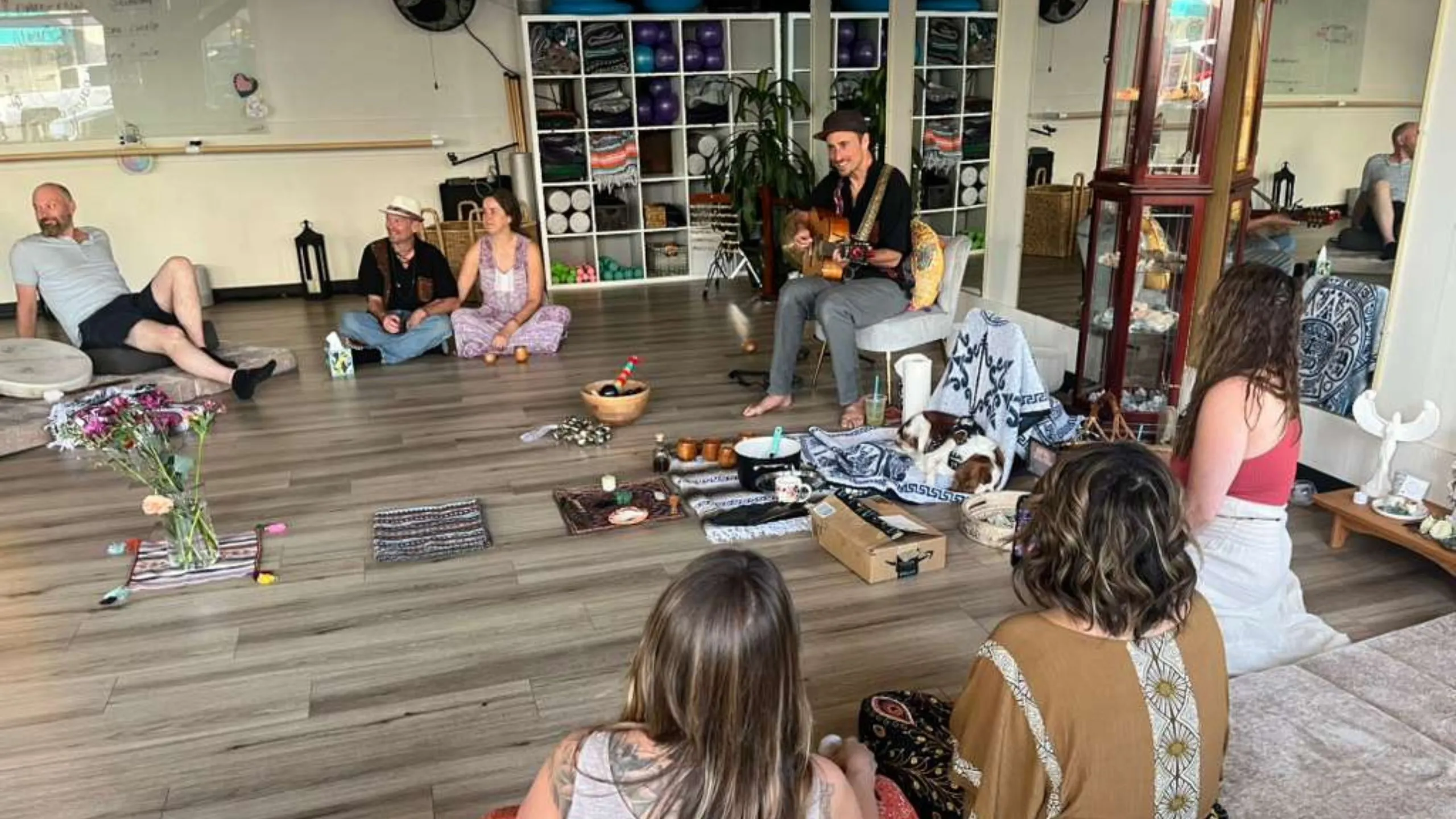

Yoga is everywhere today, and so is Kirtan. People are finding that it is more than rhythmic sound and melody. It’s a practice that invites you to slow down, open your breath, and connect with the present moment.
Kirtan is a kind of concert-going experience where chanting combines voice, vibration, and shared intention in a way that gently draws the nervous system toward ease as well as awareness. It offers a space to breathe, listen, and simply be in a world that often feels noisy and rushed.
Different communities have used chanting to mark transitions, express devotion, and nurture emotional resilience across cultures and histories. Today, people turn to Kirtan not only for spiritual connection but also for psychological as well as physical grounding. This blog will walk you through everything you need to know about Kirtan healing and the effects of sound on you.
What is Kirtan?
If you have ever been in a yoga class and chanted “om,” you have already experienced kirtan in a simple form. Kirtan is simply repeated chanting or singing of words, short phrases, or sounds. The repetition keeps the mind occupied and helps interrupt the usual stream of thoughts.
Healing through kirtan often includes more than just voice. It includes music, steady beats, or simple movements (such as finger tapping or clapping). These elements help keep the rhythm consistent and support focus during the practice. It can be practiced alone, though it is commonly done in groups using a call-and-response format, where one person leads, and others repeat.
A Look Back into Kirtan
Kirtan has its roots in ancient India. It was developed as a shared form of devotional expression. It emerged from oral traditions at a time when teachings were passed through sound rather than written text.
Chanting made these teachings easier to remember, repeat, and share within communities. The word “kirtan” comes from Sanskrit, which means to “call,” “recite,” or “praise,” or “glorify.” From the beginning, it has been a way to express devotion through sound. That’s how it became closely associated with the Bhakti (devotion) movement.
Kirtan is a way for individuals to get together, sing, and utilize their voices to express themselves. This communal part became the most important part of the activity. As Kirtan traveled beyond India, it adapted to different cultures while keeping its core structure intact. Today, it can be found in a lot of places (both old and new) but it still serves its original goal of bringing people together to chant and sing.
How Kirtan Heals Mind, Body & Spirit
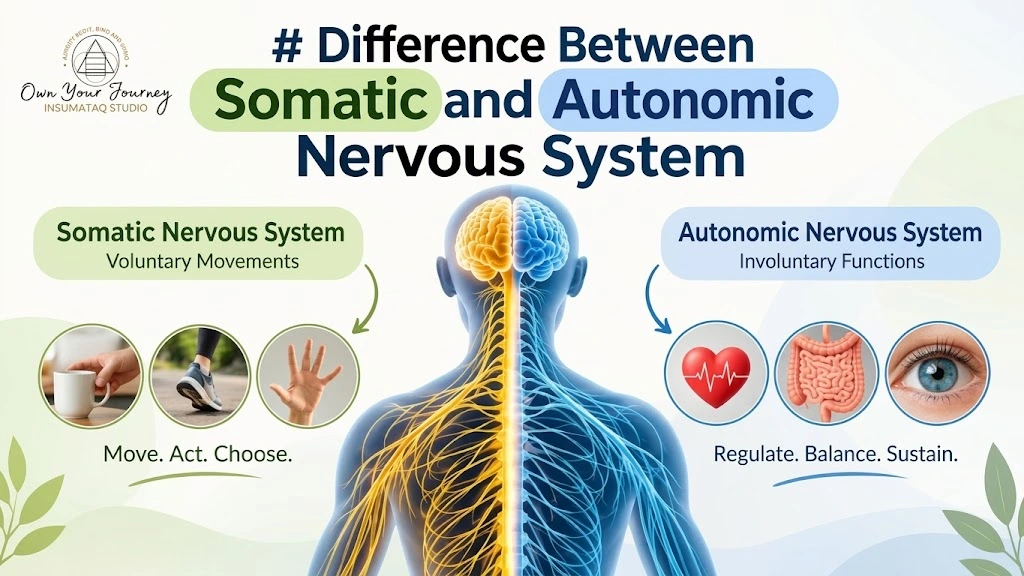
Kirtan affects the body through the combined use of sound, rhythm, and breath. As chanting begins, breathing naturally slows and becomes steadier. This change affects the autonomic nervous system, which controls stress responses.
Moreover, chanting creates a gentle vibration through the chest, throat, and facial muscles. These vibrations stimulate neural pathways linked to emotional regulation and internal balance. Rhythm plays its role as well. Repeated patterns give the brain a predictable structure to follow, which can reduce mental overload and restlessness.
Moreover, the shared sound and timing create a sense of synchronization that supports emotional safety as well as connection. The experience becomes less about effort and more about participation. Attention stays anchored without force.
The Benefits
If you choose to participate in Kirtan, here’s how you can experience the benefits.
Reduced stress and tension
The combination of breath and rhythm helps calm the nervous system as well as restore stored tension.
Support emotional balance
Chanting allows emotions to move through sound that can feel regulating and stabilizing.
Improved focus and mental clarity
Repetition gives the mind a single point of attention that reduces mental noise.
Encourages deeper breathing
Vocal chanting naturally lengthens the breath and supports healthier breathing patterns.
Strengthens a sense of connection
Group chanting and spiritual and religious events foster shared presence as well as belonging, even without verbal interaction.
Creates space for spiritual reflection
Sound and repetition offer a simple way to connect with meaning beyond words.
The best part is that in order to get involved in Kirtan, it does not require belief, musical skill, or prior experience. Its healing effect comes from basic human elements: voice, breath, rhythm, and shared sound.
How to Get Started?
If chanting and kirtan work through sound, rhythm, and vibration, sound healing follows the same path, just in a quieter and more receptive way. Instead of using the voice, sound healing allows the body to receive vibration from external instruments. The intention remains the same. Sound becomes the medium through which the nervous system settles, and awareness deepens.
For many people, sound healing feels like a natural entry point. There is nothing to remember, repeat, or perform. You simply lie down or sit comfortably and listen. The body responds on its own. Breath slows. Muscles soften. Attention turns inward without effort.
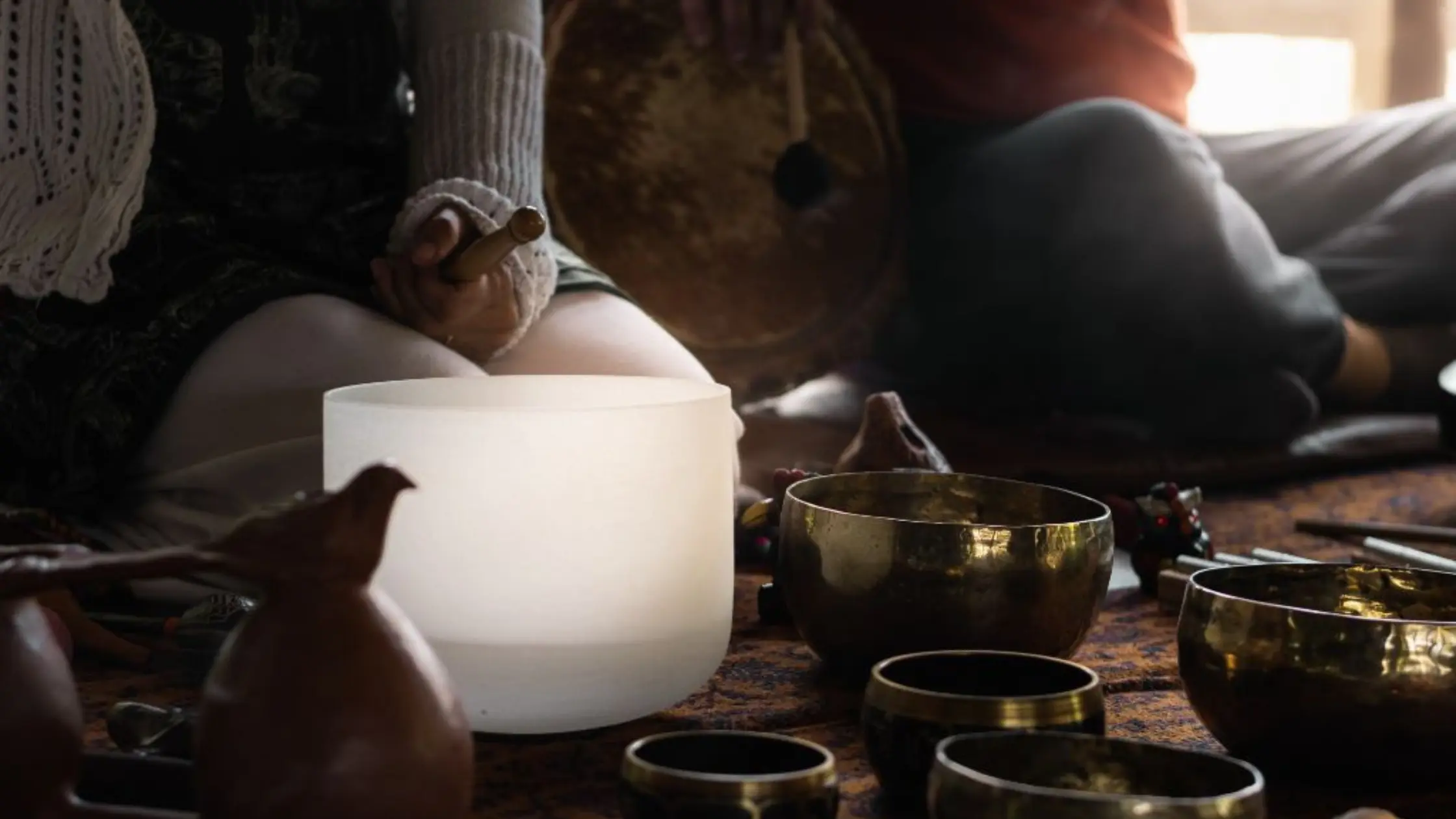
At Insumataq Studio, sound healing sessions are designed to support this process in a grounded as well as accessible way. Each session uses carefully selected instruments to create sustained tones and gentle vibrations that support relaxation and internal balance. The complete experience is guided but not intrusive that allows space for the individual response.
Conclusion
Kirtan healing reminds us that sound has always been a way to connect, regulate, and express what words alone cannot. However, people across cultures have used sound to steady the mind, soften the body, as well as open space for reflection through chanting, rhythm, and shared voice. Whether practiced through group chanting or quiet listening, the effect comes from the same source. Sound creates rhythm. Rhythm shapes breath. Breath influences how we feel and respond.
It becomes clear that healing through sound doesn’t rely on complexity or belief as we explore practices like Kirtan. It relies on simple, human responses to vibration and tone. This is where sound healing naturally fits. It continues the same conversation, using sound as the guide, but asks nothing from the voice. The body listens and responds in its own way.
Insumataq Studio offers a calm and accessible way to experience this process. They create space to slow down, receive, and reconnect without effort. Most importantly, intentional sound becomes a place of balance in a world filled with noise. And sometimes, healing begins not by doing more, but by listening more closely.