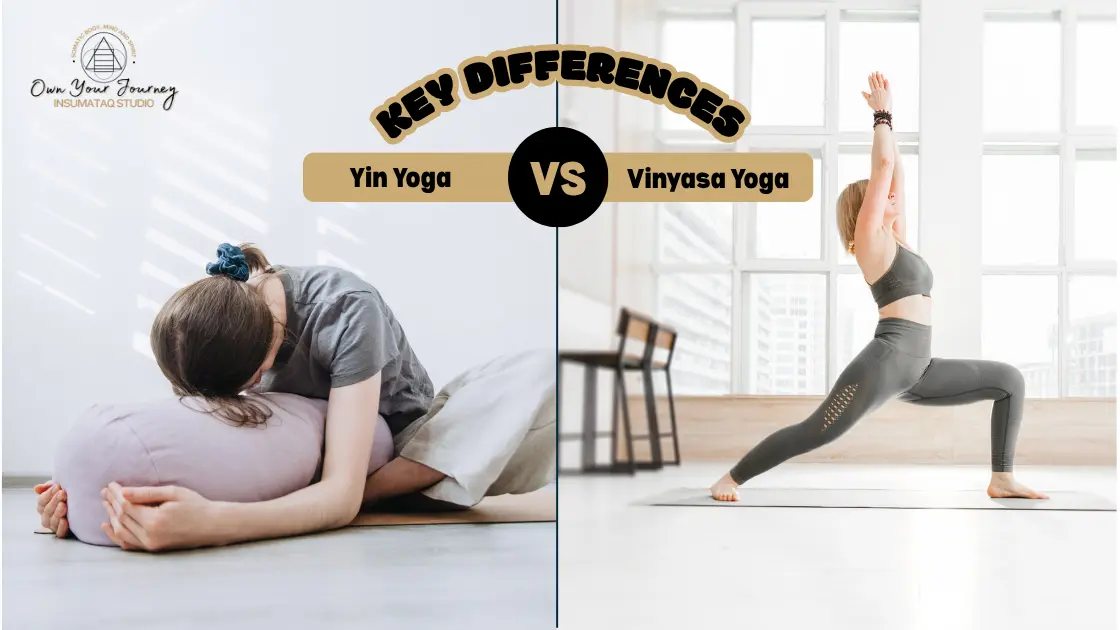
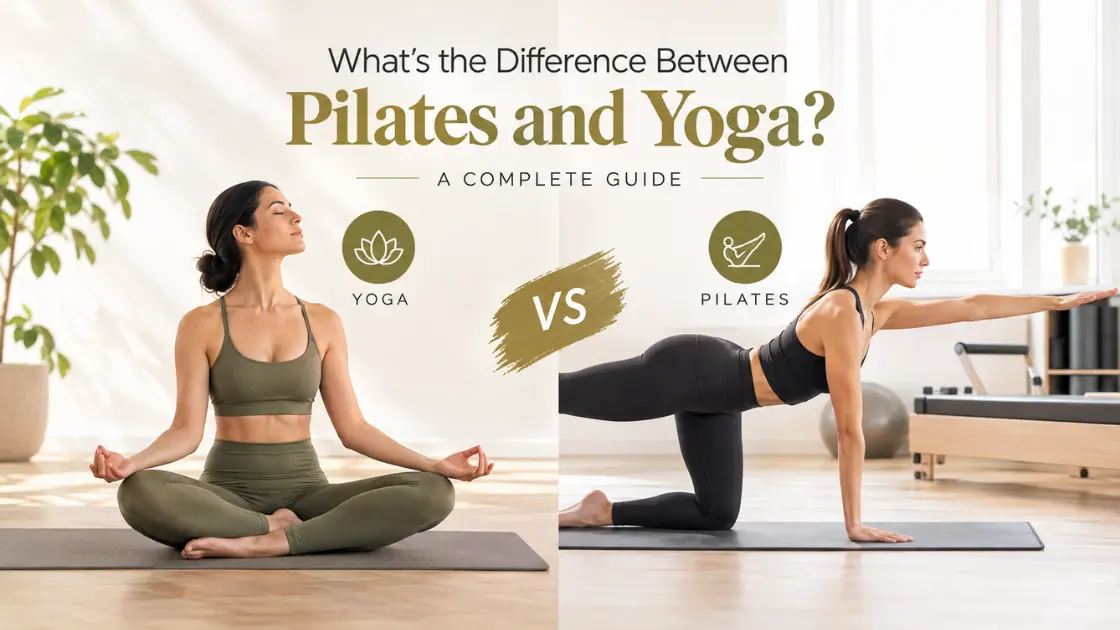

Yoga has been practiced for over 5,000 years and has since branched into dozens of styles — Vinyasa, Hatha, Yin, Restorative, Power, and more. Each one looks and feels different from the next. With that much variety already under one name, it’s easy to assume Pilates is just another style added to the list.
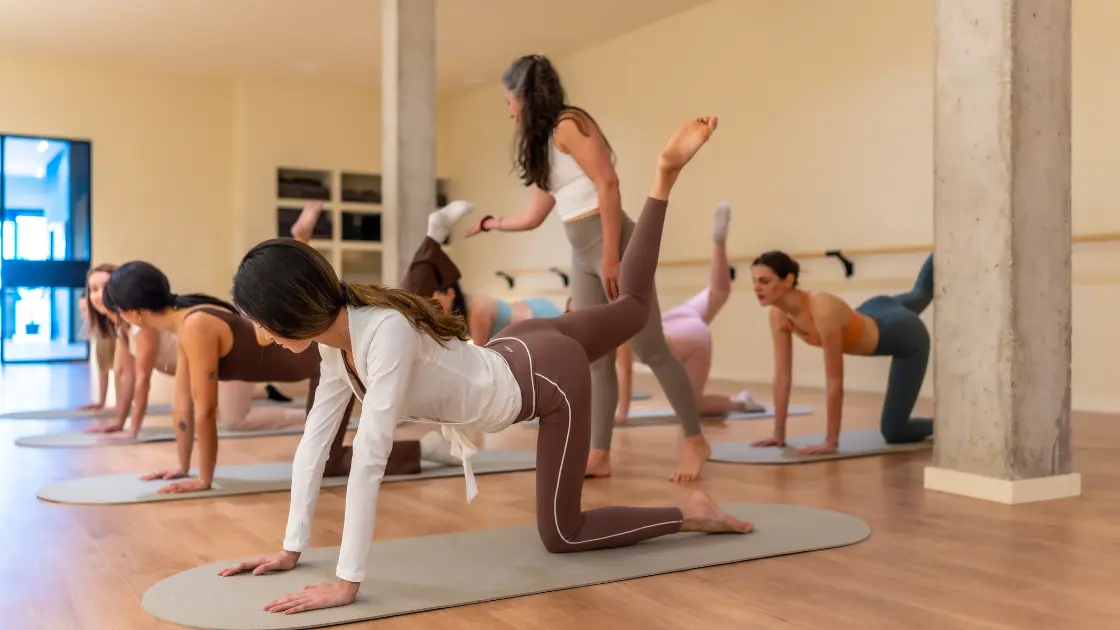
But Pilates is not a type of yoga. It’s a low-impact workout developed by Joseph Pilates in the 1920s that builds core strength and flexibility without straining the joints — and it comes from an entirely different place in terms of origin, method, and intent.
People today are looking for practices that do more than one thing. They want physical conditioning and mental clarity, strength and stress relief. Yoga alone doesn’t always cover all of that. Neither does Pilates on its own. Knowing the difference between yoga and Pilates is what will help you choose either or both for the most benefit to your body and mind.
Table of Contents
Understanding Yoga and Pilates
Both yoga and Pilates are low-impact, mat-based practices that work the mind and body together. But they approach that goal differently, and each one comes with its own strengths and limitations. Yoga alone covers a wide range of styles, and if you’re still unfamiliar with them, exploring different types of yoga and their benefits is a good place to start.
Looking at the pros and cons of each practice individually is actually one of the clearest ways to understand what sets them apart – because the differences between yoga and Pilates show up most authentically when you examine what each one does well and where it falls short.
Pros and Cons of Yoga
Pros
- Improves flexibility and joint mobility across the entire body
- Reduces stress and anxiety through structured breathwork
- Treats mental wellbeing as a core part of the practice, not an add-on
- Requires no equipment – just a mat and some floor space
- Offers a wide range of styles to suit different fitness levels and goals
Cons
- Limited progressive muscle strengthening compared to Pilates
- Too many style options can overwhelm someone just starting out
- Spiritual elements don’t appeal to everyone
- Improvement is hard to measure without a structured progression system
Pros and Cons of Pilates
Pros
- Targets deep core muscles most conventional workouts never reach
- Low impact and joint-friendly, making it safe for injury recovery
- Improves posture and spinal alignment noticeably over time
- Follows a structured progression system that makes improvement measurable
- Effective with minimal equipment – a mat is enough to start
Cons
- Less focus on emotional and mental wellbeing compared to yoga
- Equipment-based classes like Reformer Pilates can be expensive
- Without a skilled instructor, sessions can feel repetitive
- No spiritual or meditative component for those seeking that dimension
The Key Difference Between Yoga and Pilates
When people search for yoga vs. Pilates, they usually expect a simple answer. The reality is that the two practices differ across several dimensions – not just one.
The table below breaks down the most important distinctions clearly.
| Comparison | Yoga | Pilates |
|---|---|---|
| Primary Focus | Mind, body, and spirit – overall wellbeing and inner awareness | Core strength, controlled movement, and physical conditioning |
| Movement Style | Poses, holds, flows, and transitions | Precise, controlled, and repetitive movements |
| Core Involvement | Varies by style – some yoga practices emphasise the core more than others | Core engagement is central to every single exercise |
| Breathing Approach | Breath is a practice on its own – used to calm, energize, or shift focus | Breath supports movement and core activation throughout the session |
| Mindfulness and Mental Focus | Meditation and mindfulness are built into the practice | Strong focus on concentration and body awareness – but no spiritual dimension |
| Equipment | Mat, blocks, straps, and bolsters | Mat plus specialized machines like the Reformer and Cadillac |
| Class Structure | Varies widely by style and instructor | Consistent, structured, and progressive from session to session |
Understanding these differences does more than settle the yoga vs. Pilates debate. It helps you identify which practice aligns with your current goals – and whether combining both might serve you better than choosing just one.
Can You Do Yoga and Pilates at the Same Time?
Most people treat this as an either/or decision. But the question isn’t really whether you can do both. It’s whether doing both together creates something more valuable than doing them separately. That’s exactly what yoga and Pilates fusion is. It’s one integrated practice where Pilates core precision meets yogic breath and body awareness – not two separate workouts sharing a weekly schedule
For people who feel yoga alone leaves their body under-challenged or Pilates alone leaves their mind disengaged, fusion closes that gap without requiring mastery of either practice beforehand. However, if you find yourself leaning toward Pilates and aren’t sure where to begin, how to start doing Pilates is a good first step before booking a class.
Yoga vs. Pilates Breathing Techniques
Breathing is one of the clearest ways to understand the difference between yoga and Pilates and it’s also where most people are surprised by how distinct the two actually are.
Yoga uses breath as a practice in itself. Pranayama includes techniques that calm the nervous system, build heat, and prepare the mind for meditation. Different techniques serve different purposes within the same session.
Pilates breathing is more specific. Every exercise is built around lateral thoracic breathing – inhaling to expand the ribcage sideways, exhaling to engage the deep core muscles. Breath and movement are inseparable here. One drives the other throughout the entire session.
If you want to see that breathing applied in real movement, the essential Pilates exercises guide walks through exactly how the two work together in practice.
Is Pilates the Same as Yoga?
No. They share a mat and some surface similarities, but they are fundamentally different practices built on different foundations.
Yoga originated in India over 5,000 years ago as a practice rooted in spirituality, breathwork, and the connection between mind and body. It encompasses physical postures, meditation, and a philosophy that extends beyond the session itself. Pilates, on the other hand, is a core-focused exercise system where each movement is designed to build long, lean muscles, improve posture, and encourage flexibility. It has no spiritual dimension. Its roots are in physical rehabilitation, not philosophy.
The overlap in appearance – slow movement, a mat, controlled breathing – is real but surface level. What each practice is trying to do, and how it goes about doing it, are two entirely different things.
Conclusion
Neither yoga nor Pilates is harder than the other. They simply challenge the body in different ways. Pilates demands deep core control from the very first session, making movements that look simple feel surprisingly precise. Yoga challenges flexibility, balance, and mental stillness. Where one feels easy, the other often doesn’t.
If you’re in Auburn, CA, and ready to find out, Insumataq Studio offers wellness classes designed to meet you exactly where you are. Explore upcoming holistic wellness events at the studio. Or take the first step and book a wellness class in Auburn, CA today – your first class is free.
Frequently Asked Questions (FAQs)
Neither is designed for weight loss directly, but both support it by building lean muscle and reducing stress. Vigorous yoga styles like Power or Vinyasa tend to burn more calories per session than a standard Pilates class.
2 to 3 sessions per week is enough to see real results in strength, flexibility, and mental clarity. Consistency matters more than frequency.
Yes. Both practices reduce cortisol levels and anxiety in regular practitioners. Yoga tends to address mental health more directly through breathwork and meditation.
Starting with a qualified instructor reduces the risk of injury and poor movement habits. Once you grasp the basics, self-guided sessions are a realistic option.
Yoga is more effective for flexibility due to its focus on sustained poses and full-body stretching. Pilates improves flexibility too, but core strength is always the priority.