

A strong core, often called your powerhouse, is what supports your entire body. It helps you stay steady, balanced, and upright as you move through daily life. Simple actions like bending down, turning to reach something, lifting a heavy item, or playing sports all rely on this area.
When your core is strong, these movements feel easy and natural. You do not have to think much about how your body is working. When it is weak, even basic tasks can start to feel uncomfortable. You may notice stiffness, poor posture, or limited movement.
This blog will walk you through 10 Pilates exercises that help strengthen your core in a clear and practical way.
1. Breathing
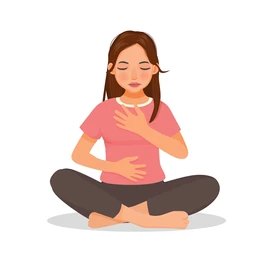
In order to perform this exercise, you must lie on your back with your knees bent. Keep your feet flat on the floor. Rest one hand on your stomach and the other on your side ribs. Take a slow breath in through your nose.
Allow the air to fill the sides of your rib cage rather than lifting your shoulder. Your stomach should stay relaxed. Gently tighten your core as if you are bracing your body for movement as you breathe out through your mouth. Keep your back heavy against the floor and your neck relaxed.
When you perform this consistently, it’ll teach you to use your core properly before moving. It also improves control as well as supports your spine.
2. Shoulder Bridge Preparation
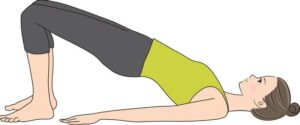
Shoulder bridge preparation is a movement that helps build core strength in your hips as well as your legs. It makes it easier to walk, lift, and stand and also helps protect your lower back.
To do this Pilates exercise, you need to lie on your back with your knees bent and feet set hip-width apart. Consider placing a small cushion or soft object between your thighs so you can lightly press inward. Take a breath in to prepare. Then gently press your feet into the floor and tighten your glutes as you breathe out. Begin lifting your hips by rolling your lower back off the mat one section at a time. Hold for one breath. Then slowly lower your spine back down, returning each part to the mat with control.
3. Leg Lifts
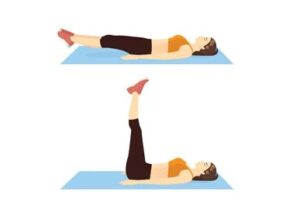
Leg lifts help build deep strength that supports your spine and improves control in everyday actions (such as walking, stepping, and changing direction).
Start by lying on your back with your knees bent. Keep your feet flat on the floor, about hip-width apart. Also, keep those arms relaxed by your sides. Take a slow breath in and feel your ribs expand. Gently tighten your lower abdominals as if you are bracing your body for movement as you breathe out. Lift one foot off the floor and bring your knee up so your thigh is above your hip. Then, take another breath. Lift the second leg into the same position without letting your stomach push outward or your lower back arch. Hold for five steady breaths. Slowly lower one foot at a time back to the floor with control.
4. Toe Taps
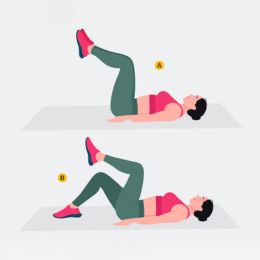
Toe taps train your core to stay strong as well as help improve balance, coordination, and control. Start this exercise by lying on your back with your knees bent. Keep your feet resting on the floor about hip-width apart. Breathe in and out. Tighten your core gently and lift one leg so your knee is above your hip. Your lower back must remain steady against the mat. Then lift the second leg into the same position while keeping your stomach flat and your hips still.
Slowly lower one foot and lightly touch the floor without shifting your body. Bring that leg back up with control. Do the same thing on the other side, shifting one leg at a time while keeping your core tight.
5. Single Leg Stretch
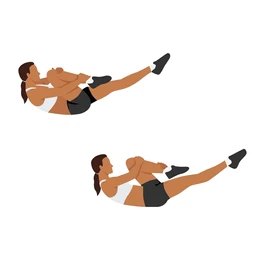
This movement helps you improve control through your center. It also helps support better posture and builds the kind of core strength that carries into everyday movement.
Lie on your back and lift both knees so they sit above your hips. Take a breath in. As you breathe out, raise your head and shoulders slightly so your gaze is toward your legs. Keep your neck relaxed. Extend one leg forward while the other stays bent. Your lower back should stay grounded. Bring the extended leg back in, then switch sides in a smooth, steady rhythm. Move with control rather than speed.
6. One Leg Circle
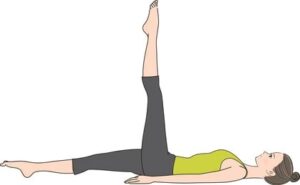
One leg circle improves coordination, hip mobility, and balance. They are essential for walking, standing, and building strong movement patterns in Pilates workouts.
To perform this Pilates exercise, lie flat on your back with both legs extended. You must keep your pelvis level as well as your level arms resting by your sides. Do not forget to breathe in and out. Lift one leg toward the ceiling. The knee can stay slightly bent. Begin moving the lifted leg in a slow circle and keep your hips completely still. Let the movement come only from your hip, not your lower back. Complete five controlled circles, then reverse the direction. Lower the leg and switch sides.
7. Side Bend Preparation
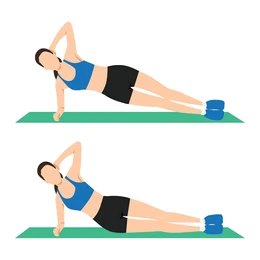
Side bend preparation strengthens your arms. It teaches your body to support weight through one arm while your hips stay lifted. That control is essential for side planks, balance work, as well as any movement where you shift your weight onto one side.
Lie on your side with your elbow directly under your shoulder and both knees bent. Your feet should rest slightly behind you, with your hips stacked. Keep breathing in to set your position. Press your forearm into the floor and lift your hips away from the mat as you breathe out. Your body should form a straight line from your shoulder through your hips. Lower your hips halfway down with control and then lift again. Continue for your set, then switch sides.
8. Sidekick
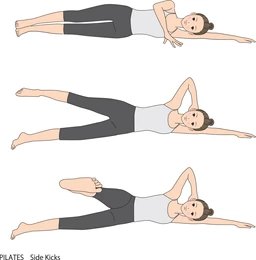
Sidekick trains your hip, improves walking mechanics, and reduces the overuse of the lower back by teaching the hips to handle motion instead of letting the spine take over.
Start by lying on your side with your bottom arm stretched overhead and your head resting on it. Keep both legs straight and place them slightly in front of your body. Tighten your core gently so your torso stays steady. Lift your top leg to hip height. Swing the leg forward with control, then send it back without letting your lower back move. Keep your hips stacked and your spine long as the leg travels. Complete your reps, then switch sides.
9. Side Leg Lifts
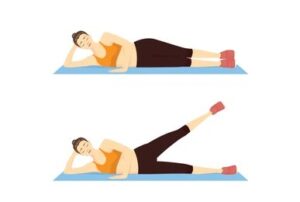
Side leg lifts reinforce proper side alignment. It helps prevent the common habit of overusing the lower back when the legs lift or the body shifts laterally.
Lie on your side with both legs long and stacked directly over one another. Set your body so your head, ribs, and hips stay aligned. Support your head with your lower arm, and place your upper hand on the floor in front of your body to help with balance. Before moving, lightly engage your midsection so your torso does not shift. Raise both legs at the same time, keeping your hips steady and your lower back neutral. Pause briefly at the top, then lower your legs back down in a slow as well as controlled way.
10. Swan Dive
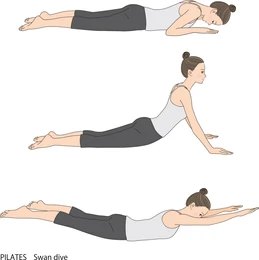
Swan Dive strengthens the muscles that help you stand tall and counter the effects of long hours of sitting. It improves spinal extension and supports a healthier posture. Plus, it teaches your back to work with your core instead of relying on compression.
Lie face down with your hands placed on the floor under your shoulders and your elbows bent close to your sides. Lengthen your legs and lightly activate your glutes so your lower body stays steady. Before you move, engage your core to support your lower back. As you breathe in, press gently through your hands and lift your chest forward and up, allowing your spine to extend without pushing into the lower back. Keep your neck long and your gaze slightly ahead. Exhale and lower your torso with control. Keep length through your body.
How to Get Started?
No matter if you’re a beginner or a longtime practitioner, our Pilates workout can meet you where you are. And the best place to begin is somewhere you feel supported, guided, and comfortable moving at your own pace.
If you want a space that feels organized and welcoming for beginners, Insumataq Studio offers exactly that. The sessions are designed around correct form, steady improvement, and real awareness of how your body moves. There is no pressure to keep up with anyone else. You are guided through each exercise at a pace that feels safe and manageable.
Begin with a basic class or a one-on-one session to learn the fundamentals correctly. Wear comfortable clothing, arrive with an open mind, and focus on moving with intention rather than speed. Consistency matters more than intensity at the start.
Contact us today to learn more about our Pilates sessions in Auburn and upcoming sessions.