
Table of Contents
Have you ever noticed how your body seems to hold onto more than just physical tension? Maybe a tight chest when you’re stressed, or a sticky knot in your gut when you can’t put the feeling into words? And if talking about your feelings has only helped you so much, you’re not alone.
Trauma and chronic stress have a way of getting stuck deep within our nervous systems, where words alone can’t always reach. But there are ways to tackle it, one of which is somatic dance therapy. It uses gentle and mindful movement as a pathway to release what we cannot easily speak. We begin to reconnect with ourselves at a deeper level.
This post talks about how somatic dance therapy works and why it’s especially essential to deal with trauma and stress. We’ll also know how it might help you find safety as well as strength again via the wisdom of your body. If you’re looking for somatic dance therapy in Auburn, you’re at the right place. At Insumataq Studio, you can opt for this class, where every session is designed to meet each person where they are, gently guiding them toward awareness, movement, and self-connection. Let’s start with the basics first.
What is Somatic Dance Therapy?
The notion behind somatic dance therapy is that our bodies don’t just carry us; they also carry our memories. It’s a form of movement-based healing that reconnects the mind and the body through awareness, sensation, and motion.
Stress, grief, and trauma often show up physically long before we can put them into words. However, this dance therapy helps release what’s been held inside and restore a sense of balance, presence, as well as safety through mindful movement.
Unlike a dance class, there are no steps to follow or right ways to move, as you would in somatic classes near you. Your complete focus is on how your body feels, how energy shifts when you move, and how emotions surface through that movement. Each gesture or breath becomes a quiet conversation between the conscious mind and the deeper self.
How it differs from traditional talk therapy Traditional talk therapy mostly uses words to help people (for example, by naming feelings, going over experiences, and looking at how they think). It gets the mind working to figure out what’s going on.
somatic dance therapy begins with the body. Instead of asking, “What are you feeling?” it invites, “Where do you feel it?” This bottom-up approach helps people access emotions stored beyond language, especially those linked to trauma or chronic stress. While talk therapy encourages understanding, somatic dance movement encourages release and integration. This technique helps you process through sensation rather than explanation.Why It’s Particularly Helpful for Trauma & Stress
If you’ve carried trauma or chronic stress for a while, you might feel like your body is running on its own autopilot. You might feel tight shoulders when you’re anxious, your chest rising before you even know you’re worried. That’s why body-oriented work like somatic dance movement becomes especially powerful.
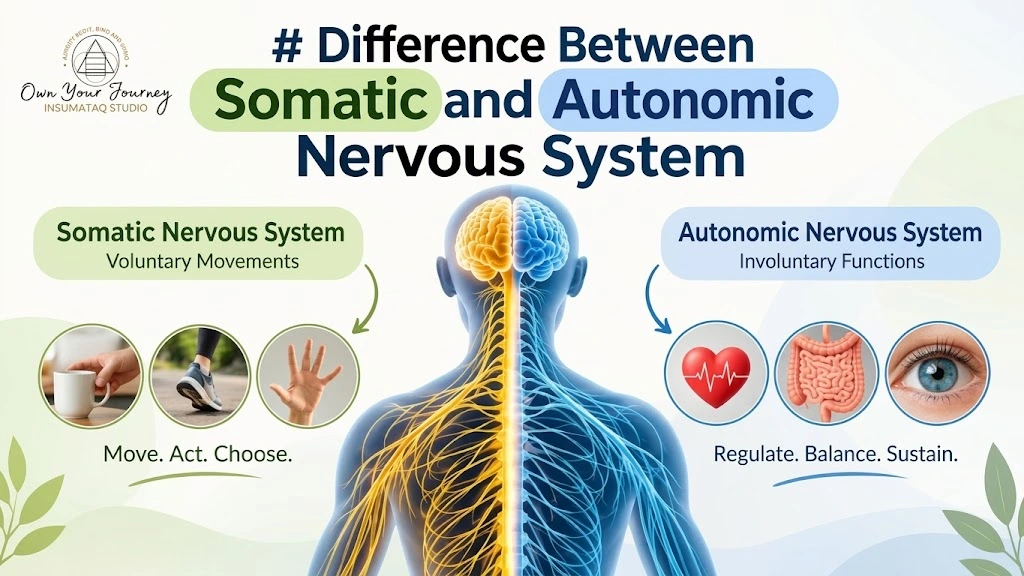
Nervous System Regulation and Embodied Safety Our nervous systems get stuck in cycles of fight/flight or shutdown when stress or trauma has had its way. The thing about expressive movement therapy is that it invites you gently back into your body (feeling the feet on the ground, the breath rising and falling) with movement that helps shift those survival patterns. In other words, you’re not just thinking about being safe; you’re feeling safe in your body.
Emotional Release and Expression Sometimes words just aren’t enough. Somatic dance therapy offers another language: your body. Twisting, turning, letting arms reach or soften, and shifting posture, all of that gives you space to express what’s been stuck. The movement becomes a channel for emotion that was locked in muscle, breath, or posture.
Re-establishing Trust in the Body When you’ve been through trauma, your body might feel like a betrayer: pain, hypervigilance, dissociation, and unpredictability. With somatic work, you’re invited to slowly relearn: “My body is safe. My body can support me.” Your system begins to shift its story about your body (from an enemy to an ally) by moving through small and felt experiences.
Developing New Coping Resources and Resilience In somatic classes, you don’t just rely on your mind to “handle” stress; you have movement, breath, and body-based awareness. That means when life throws its next wave, you’re less likely to fall straight into overwhelm, as you’ll have more resilience and more options.
Additional Benefits Beyond all that, you have an improved body awareness, posture, breath, and maybe even less physical tension or pain. People often say they feel more present, more grounded, and more able to be instead of continuously reacting. It’s not just healing in a clinical sense. In fact, it can also bring back the joy of inhabiting your body rather than being disconnected from it.
Who Can Benefit?
If you’ve ever felt like your body was doing things that your mind didn’t understand, then somatic dance movements might feel like the right kind of support. For instance, tight shoulders when you’re anxious, your stomach churning when fear creeps in, or a sense of disconnection from your own movements.
Some people who commonly find somatic dance movement meaningful are:
- Anyone who carries the weight of past trauma, especially when words haven’t fully captured how your body felt or acts.
- Those experiencing chronic stress, anxiety, or nervous-system dysregulation, who feel stuck in fight-or-flight or freeze modes, and would like to explore a path toward embodied safety.
- People who want to reconnect with their bodies, whether because of dissociation, numbness, physical tension, or simply the feeling of being out of sync with themselves. Somatic movement helps turn the attention inward in a kind way rather than a judgmental one.
- Anyone looking to build new coping tools and resilience—movement becomes a resource you carry, not just a one-off session. Over time, you begin to recognize early signs of overwhelm, ground yourself through sensation, and shift into regulated states.
Finally, even if you don’t identify as “traumatized,” if you simply feel disconnected, stuck, or that your body is holding more than you’d like, this approach can offer fresh awareness, movement freedom, and vitality. However, healing through somatic dance movements isn’t a one-size-fits-all experience.
This is because each person’s story, comfort level, and pace are unique, and so is every practitioner’s style. Some focus more on trauma-informed movement and nervous-system regulation, whereas others bring in creative or expressive arts therapy approaches.
What matters most is finding someone who makes you feel seen, supported, as well as safe enough to explore what your body has been holding onto.
Tips for Choosing The Best Practitioner
Finding the right somatic dance therapist in Auburn is not that tough when you know who exactly you are looking for. Since you’re inviting someone to guide you through deeply personal work, you should feel safe, supported, and understood from the very start.
Given below are a few tips to help you choose the best practitioner.
Ask About Their Training & Credentials: A well-trained practitioner in somatic or dance movement therapy understands how the body, mind, and nervous system interact.
Look for a Safe & Welcoming Space: No matter whether the session is held in person or online, the atmosphere plays a crucial role in helping clients relax, feel seen, and reconnect with their bodies.
Clarify Style & Approach: Every practitioner brings their own philosophy and style to the work. When you understand what sets each style apart, you can more easily choose the path that feels right for your body, your comfort, and your growth.
Understand What a Session Looks Like: When you have a clear picture of how the session flows, how long it runs, when you’ll move, and how reflection is included, it’s much easier to relax and feel supported.
Consider Ongoing Support & Integration: Professional practitioners provide ongoing guidance, feedback, as well as integration support to help you apply what you learn in daily life.
Conclusion
Somatic dance therapy is something that lives and moves through the body. It reminds us that healing isn’t just a mental process; it’s a journey.
Being aware and moving on purpose might help you slowly reconnect with feelings that may have been suppressed or ignored. This method makes a secure and caring space for people who are healing from trauma or chronic stress to get their inner balance back and feel like they can trust their bodies again.
At Insumataq Studio, somatic dance movement sessions are designed to support exactly the kind of embodied healing that we discussed. Our method combines therapeutic awareness with mindful movement. This lets everyone move at their own speed and rhythm. Experience Somatic Dance Classes Near You. Join Us for therapeutic treatment in Auburn, Roseville, Rocklin, Granite Bay, or Loomis.