
Table of Contents
Have you ever noticed any changes in your body when you’re stressed or anxious? Does your shoulder tense up, or do you get a stomach knot during anxious moments? Perhaps you may feel tight, tense, or even stuck, but you’re not quite sure why.
Here’s the thing: our bodies have a way of storing what our minds go through, often without us realizing it. When negative feelings keep piling up, our body reacts. Tension turns into stiff muscles, nagging aches, shallow breathing, or even constant fatigue. The more we ignore these signals, the more our body compensates.
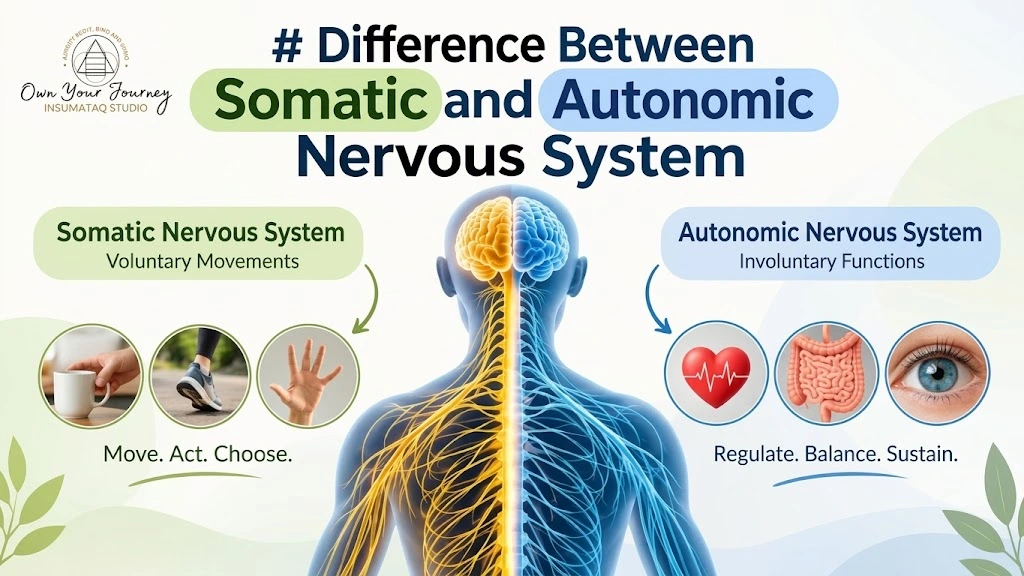
What if one simple practice could address your sore back, tight muscles, poor posture, limited flexibility, and even that drained feeling? That solution is somatic movement. It’s all about mindful awareness as well as intentional motions that help retrain your nervous system and ease physical and emotional tension.
This blog covers everything you need to know about somatic movement classes and how you can start somatic dance therapy in Auburn!
What is Somatic Movement?
Somatic movement is a gentle practice that changes the focus from how your body looks when it moves to how it feels when it moves. It is rooted in the idea that our bodies and minds are deeply connected. So, we can retrain the way we move by paying closer attention to our internal sensations.
You do not need to follow strict exercises or chase perfect form. In fact, it encourages you to be aware of subtle sensations, such as noticing where you hold tension and how your breath changes as you shift positions. This internal focus vastly helps in recognizing as well as gradually releasing patterns that may be keeping you stiff, sore, or limited.
This somatic movement practice is especially helpful for people who are dealing with chronic tension, stress, or pain. The best part? You don’t need to be flexible, strong, or coordinated to start. It meets you exactly where you are. It’s a compassionate invitation to slow down as well as have a conversation with your own body.
What Makes it Different?
What sets somatic movement apart is how it works with your nervous system, not against it. Instead of stretching or forcing your body into positions, it uses instinctive motions. It’s like the satisfying and involuntary stretch you do when you wake up, such as yawning or stretching without force. It’s a gentle contraction followed by a slow release. This simple action helps “reset” muscle memory and teaches your body to let go of tension that it has been holding onto for years.
Benefits of Somatic Movement for Beginners
Now, the question is how quickly somatic breathwork or somatic dance therapy can help you create shifts in both your body and your mind.
One of the first things that many people notice while doing somatic workout is a sense of deep relaxation. Slow and mindful movements combined with steady breathing help the body release stress as well as move out of survival mode. To put it simply, somatic movement, somatic dance therapy, and somatic breathwork are all powerful tools for easing chronic aches or stiffness. You’ll be able to let go of patterns that have kept your muscles tight for years. However, you must pay close attention to how you move and where you unconsciously hold tension.
Over time, this awareness will help you reduce discomfort as well as improve flexibility and fluidity in daily movement. Some of the key benefits that you can experience are:
Reduce chronic muscle tension and pain
Improve flexibility and mobility
Support emotional awareness and stress relief
Encourage better posture and movement habits
Promote a deep sense of calm and mindfulness
Key Somatic Movement Techniques for Beginners
Somatic movement is all about listening, not forcing, and relearning how your body wants to move. It is the most important thing you need to keep in mind when you’re just starting out.
Here are a few beginner-friendly somatic movement techniques to get you started:
Body Scan / Internal Awareness
Start by lying down or sitting down. Then, bring gentle attention to parts of your body (such as feet, legs, hips, torso, neck, etc.). Notice points of tension, temperature, or subtle sensation, without any judgment. This cultivates tuning in.
Gentle Spinal Rolls/Pelvic Tilts
With knees bent and feet grounded, very slowly tilt your pelvis forward and back, or allow your lower back to arch and flatten. Let the movement emerge from your internal sensing, not force.
Shoulder Rolls / Neck Glides
Move your shoulders in circles (backward and forward) or let your head glide forward and back along the spine. Keep it soft and curious; no pushing into the stretch.
Knee Drops / Spinal Twists
Lying flat, allow one or both knees to drop to one side, letting your spine rotate slowly. Pause where you notice a shift or softening. Return gently and explore the other side.
Breath-Driven Movement
Synchronize minimal movement with your breath: inhale into an area, exhale, and release. The breath becomes a guide and helps you sense what’s held in the body and invite gentle change.
How to Build A Perfect Somatic Movement Routine?
Creating a sustainable somatic practice doesn’t require you to have a rigid schedule. It needs you to be consistent in your practice, whether you want to start somatic breathwork, or somatic dance therapy in Auburn. That’s it!
You can start by choosing a consistent time and space where 10 to 20 minutes of daily practice can make a big difference. Begin with a body scan and gentle breathing (2–3 minutes) to tune in. Then, pick 2 to 3 core techniques like pandiculation, spinal articulation, or small tilts. Explore them slowly and with pauses so that you feel sensations. Ultimately, finish your somatic breathwork or somatic dance with a few moments of stillness or soft awareness to let the nervous system integrate.
Here’s a simple layout you can follow:
-
Breath & body scan
-
Movement exploration (2–3 techniques)
-
Observation & release
-
Gentle closing rest
As you gain more experience and become more comfortable with it, you can start customizing your routine to suit your personal needs better.
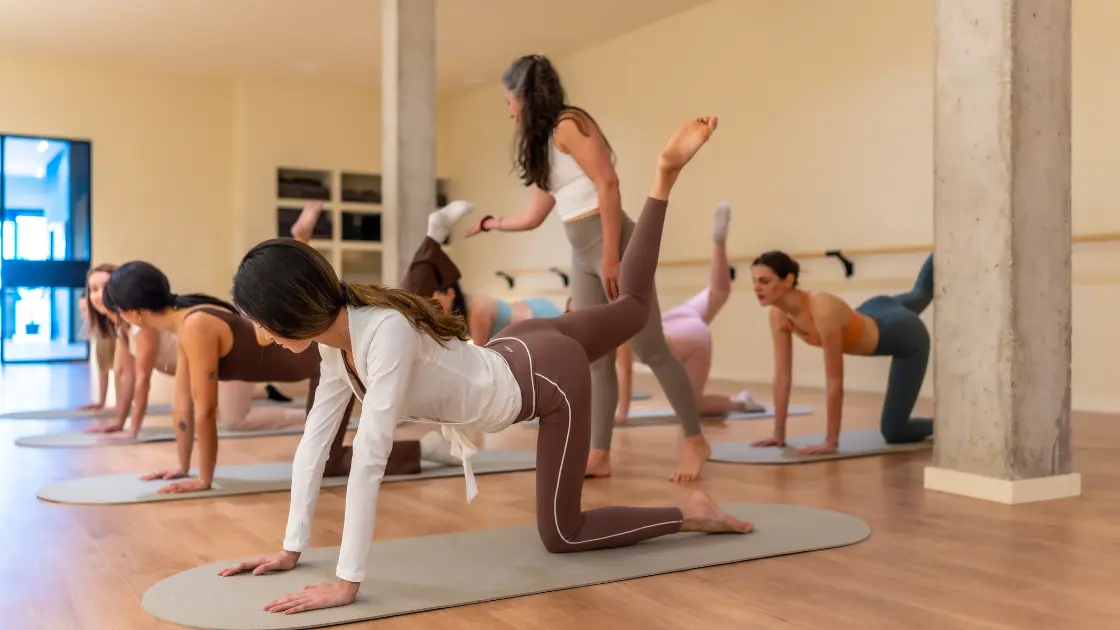
If you want guided support for somatic dance therapy, or somatic breathwork in Auburn, Insumataq Studio offers somatic movement classes (both in-studio and online) that weave breathwork, movement, as well as awareness, into beautifully sequenced flows. Our personalized classes can help you build a routine that aligns with your body’s wisdom rather than forcing it.
Conclusion
If you’re thinking about somatic breathwork is safe for beginners, the answer is: it is definitely made for you. Since the practice is low-impact, slow, and deeply intuitive, it’s ideal for any beginner who wants to retrieve their true strength. However, you don’t need to be flexible, athletic, or experienced. All you need is curiosity, patience, as well as a willingness to listen to your body in a new way.
Make sure you create a calm space where you won’t be disturbed before you start practicing. Lastly, do not forget to wear something comfortable, breathe deeply, as well as give yourself permission to move slowly. There’s no right or wrong, just awareness and gentle exploration.
If you’re unsure where to begin or want a little guidance for somatic movement, somatic dance therapy, or somatic breathwork in Auburn, we at Insumataq Studio are here to help. With a blend of breathwork, mindful movement, and healing awareness, we help you regain yourself. Now go ahead, take that first breath, make that first small movement, and let the journey inward begin.