
When Should Children Start Yoga?
Most parents ask this question expecting a simple number. At Insumataq Studio, the answer is more thoughtful because the real question isn’t just when, but what kind of readiness you’re looking for.
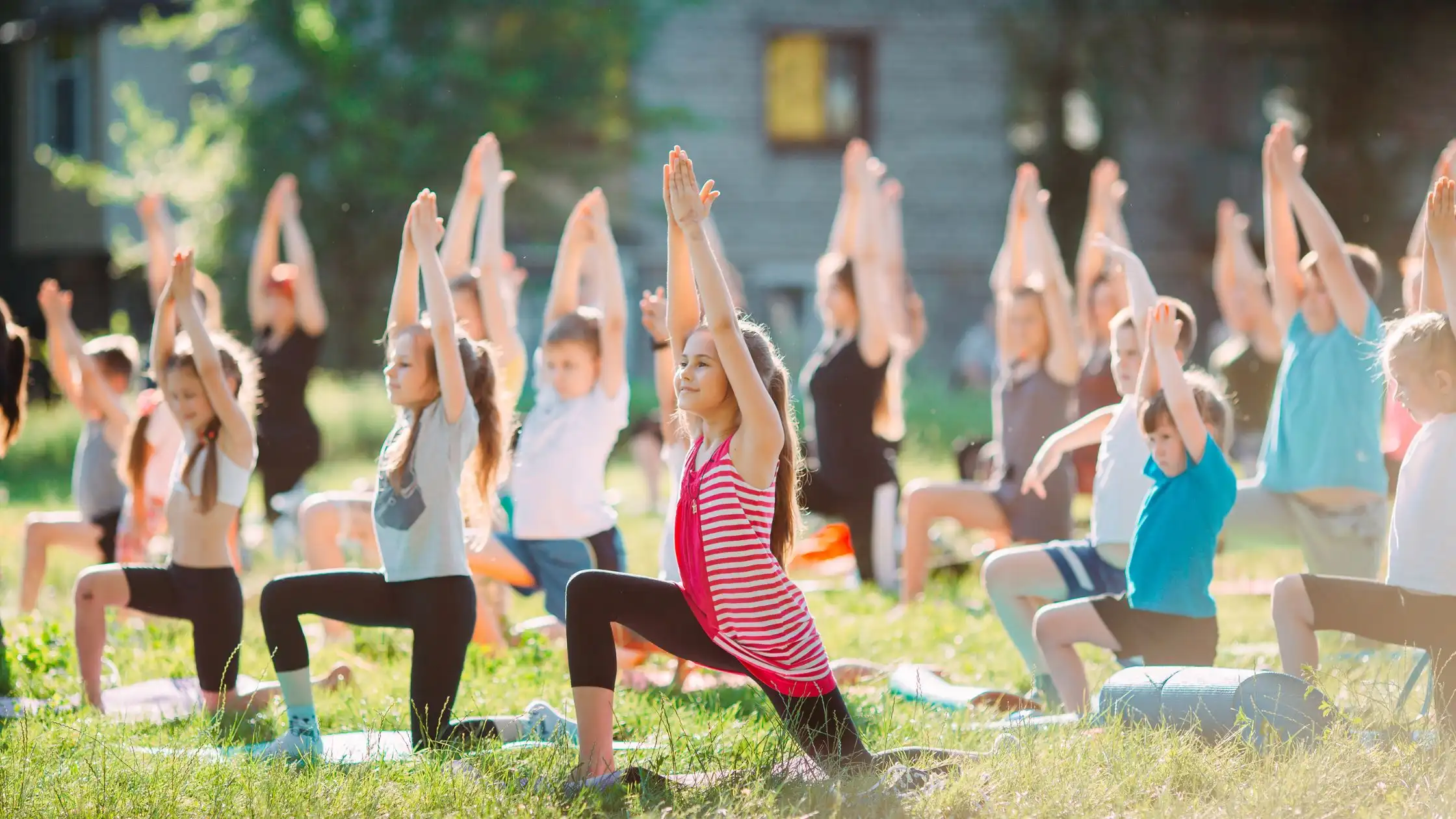
Ages 6 to 8 sit in a genuinely sweet spot. Children at this stage have moved past the purely imaginative and free-play phase of early childhood. These kids can follow a sequence, hold attention for a structured session, and begin to notice what’s happening in their own bodies.
By ages 9 to 12, that readiness deepens. Children this age can handle longer sessions and more challenging poses and start using breathing techniques to actually manage stress and big emotions, not just as an exercise, but as something that genuinely helps them feel better. That is when parents start noticing the real difference: a calmer child after school, better focus during homework, and a kid who actually asks to go back to class.
Starting yoga at any point within this window is a good decision. There’s no age that is too early or too late. What matters more is whether he/she is ready and whether you have found the right place for them.
Benefits of Yoga for Kids
Most parents sign their children for yoga expecting some stretching and calm. What they don’t expect is a child who sleeps better, handles frustration differently, and walks into a room with noticeably more confidence.
Physical Development
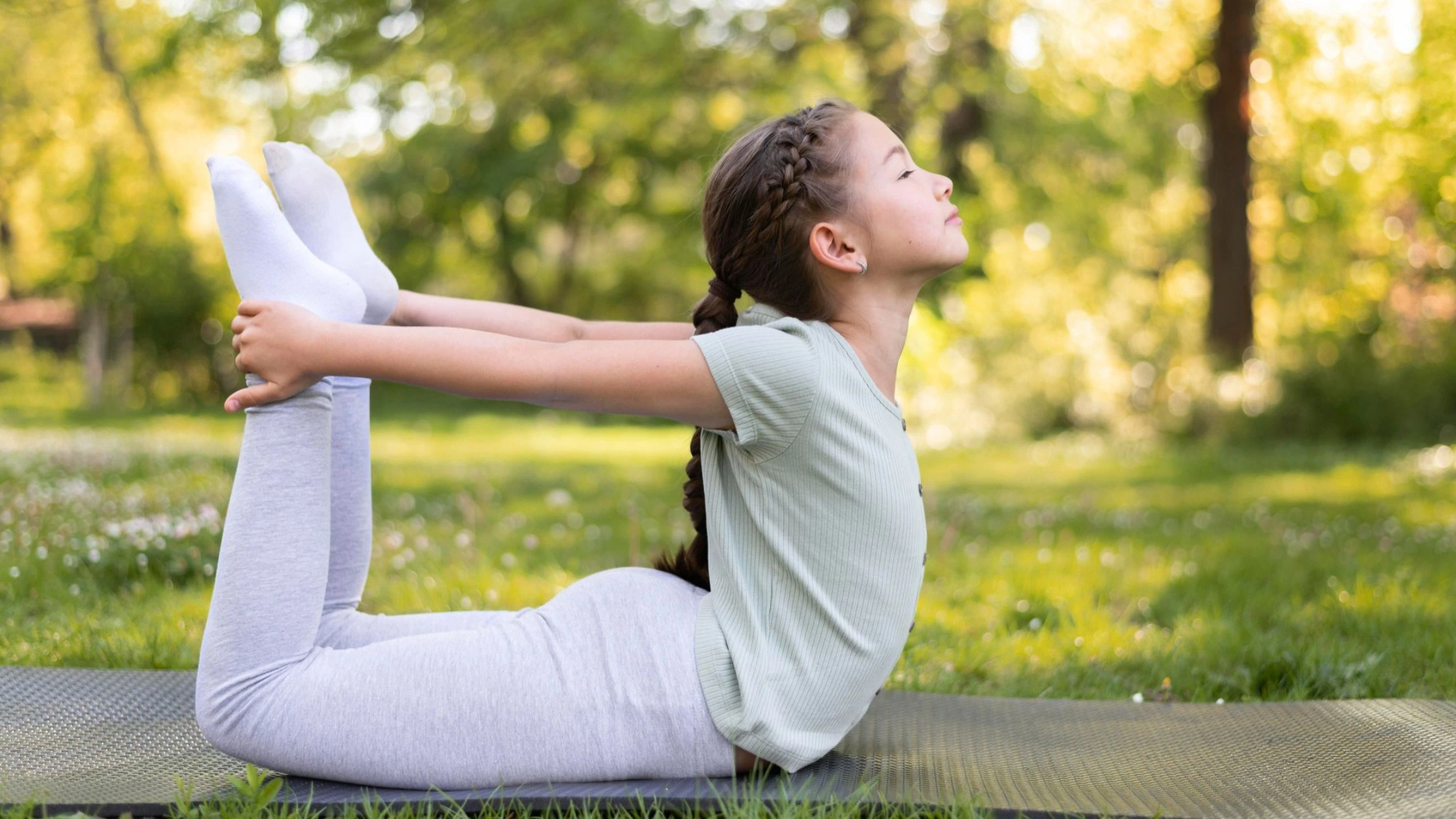
The body benefits are measurable and well-documented. A study published in the International Journal of Yoga examined children aged 6 to 8 who practiced yoga twice a week for 12 weeks and found significant improvement in flexibility and strength. Research consistently shows that yoga improves balance, strength, endurance, and aerobic capacity in children, all without equipment, competition, or physical strain.
Mental and Emotional Regulation
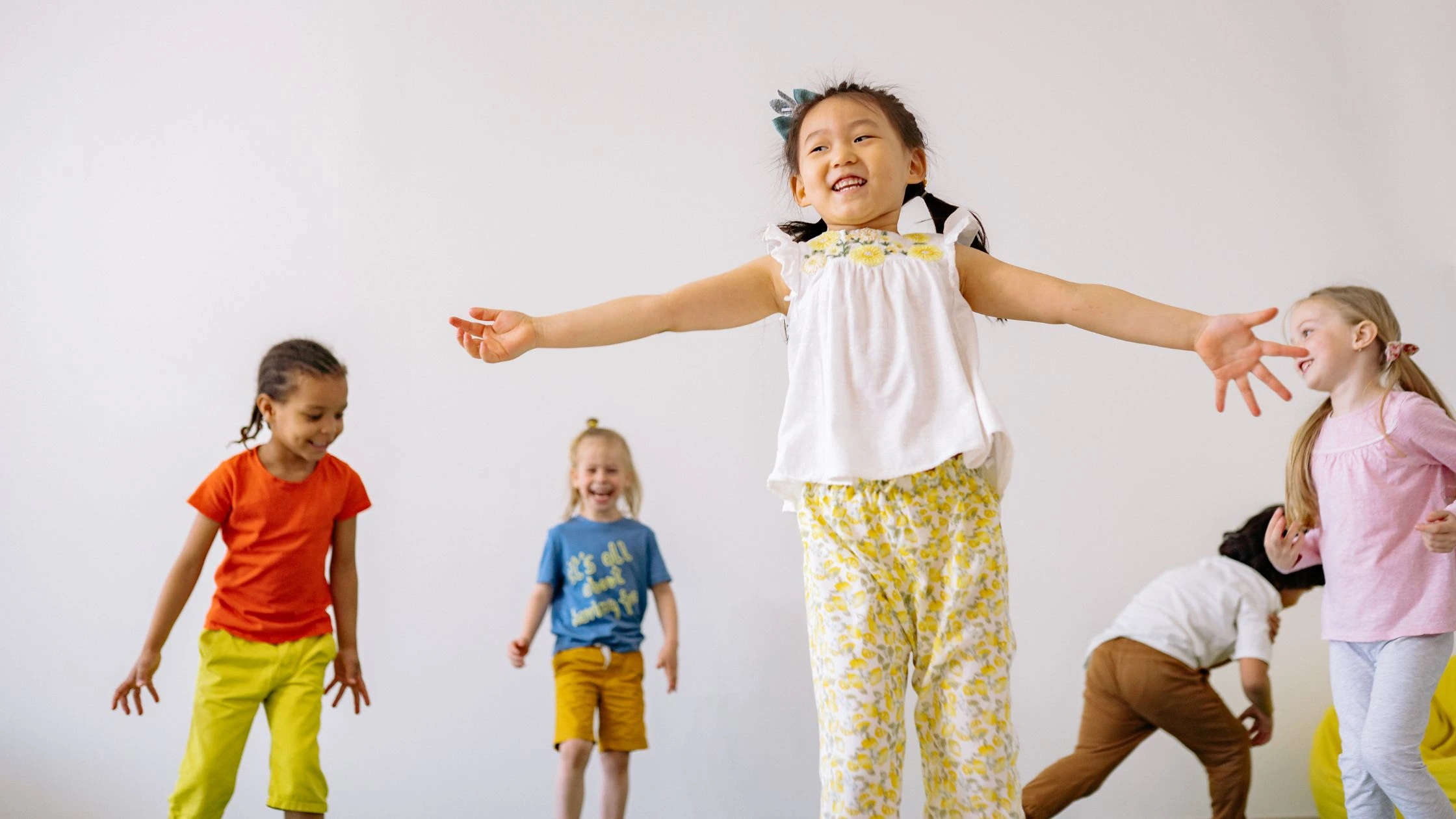
Regular practice of kids’ yoga poses is linked directly to improving impulse control, sustained attention, reduced stress, and reduced psychological distress. For children navigating the pressures of school and social life, these are not small gains; they are foundational life skills. Insumataq’s approach goes even deeper. We introduce children to breath and intentional movement in ways that are simple, accessible, and age-appropriate.
Academic and Focus Benefits

Research has also shown that yoga can improve focus, memory, self-esteem, academic performance, and classroom behavior. It can even reduce anxiety and stress in children because it anchors their attention to the present moment. The concentration and memorization skills developed through yoga translate directly into how children perform academically. A self-aware and more focused child is simply better equipped to learn.
Confidence and Self-Esteem
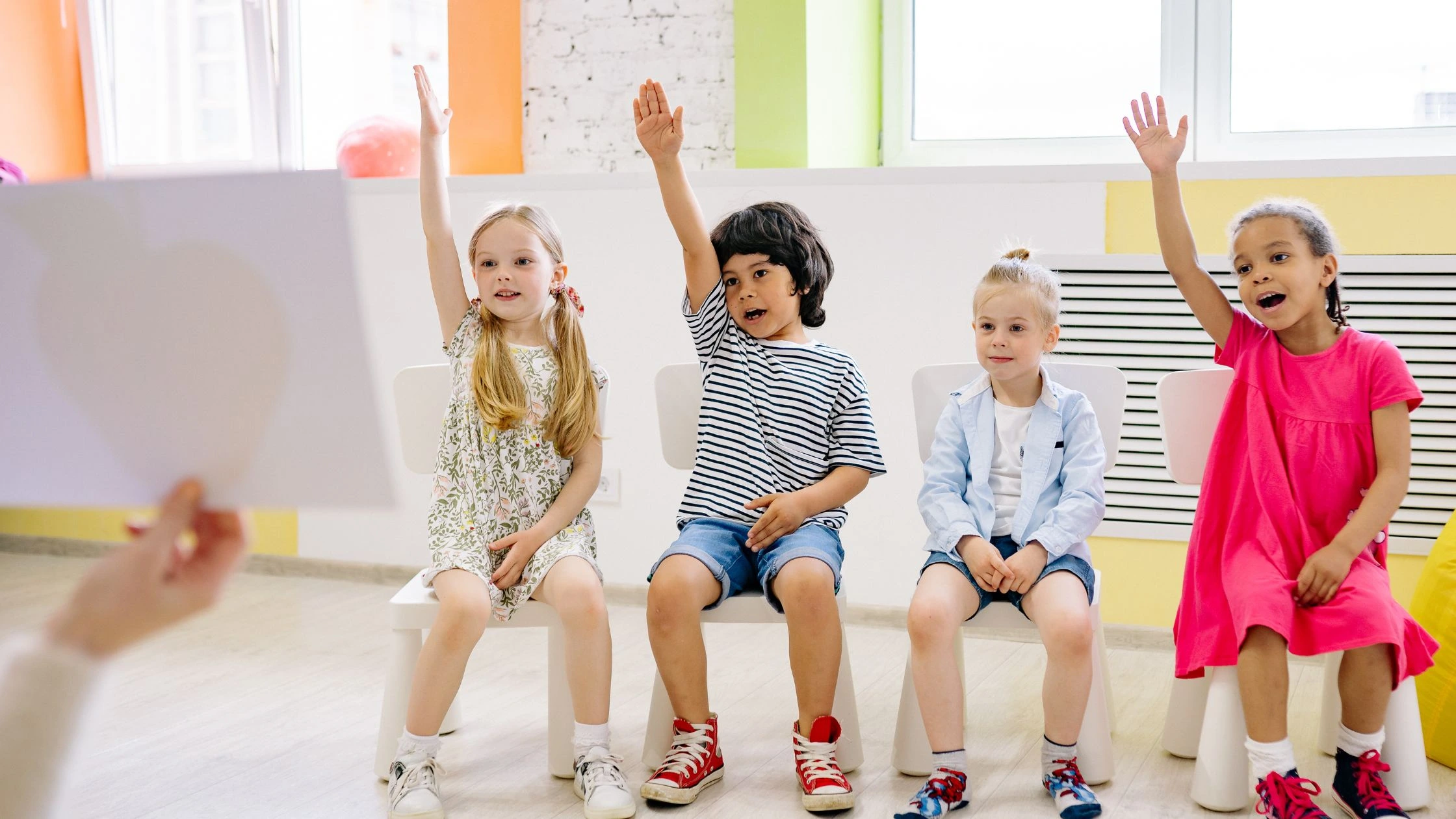
Yoga gives children a non-competitive environment where they can explore what their bodies can do without judgment or comparison. Each time a child masters a new pose, something genuinely shifts; they feel capable, proud, and more comfortable in their own skin. This kind of confidence doesn’t stay on the mat; it follows a child into the classroom, onto the playground, and into every room they walk into.
Sleep

Most children today are going to bed with overstimulated minds, hours of screen time, group chats, and content that keeps their nervous system alert long after the device is put down. The resulting sleep deprivation in children is linked to poor concentration, mood swings, weakened immunity, and lower academic performance. Yoga directly counters this. The breathing and relaxation techniques children learn in yoga help slow the nervous system down.
Helps Children with ADHD

ADHD looks different in every child, but the common thread most parents describe is a child who finds it genuinely hard to slow down, stay focused, and regulate their reactions. Yoga works particularly well for these children because it meets that intensity with movement first and gradually guides them toward stillness, rather than demanding stillness from the start. In fact, studies show that children with ADHD who practiced yoga regularly showed measurable reductions in hyperactivity and inattention. They even showed improved relationships with peers and better sleep, all areas that medication alone doesn’t always address.
Is It Safe? What Parents Need to Know
Safety is the first thing most parents want to know before signing their child up for anything new. With yoga, the answer is straightforward.
The American Academy of Pediatrics highlights that yoga has positive effects on psychological functioning, especially in children coping with emotional, mental, and behavioral health problems. This is a strong endorsement from the most trusted name in children’s healthcare.
That said, safe yoga for kids depends entirely on how it is taught. Kids’ yoga is not an adapted adult class; it’s thoughtfully built around the development stages of young children, and certified kids’ yoga instructors are specifically trained in anatomy, safety guidelines, and age-appropriate movement. To put it simply, the right instructor makes all the difference. At Insumataq Studio, our kids’ yoga program (designed specifically for ages 8 to 16) is led by a certified yoga instructor who understands how children at different stages of development move, learn, and respond. If you’re thinking of enrolling your child, the hardest part is usually just deciding to start; everything after that is easier than you think.
How to Get Started with Yoga for Kids
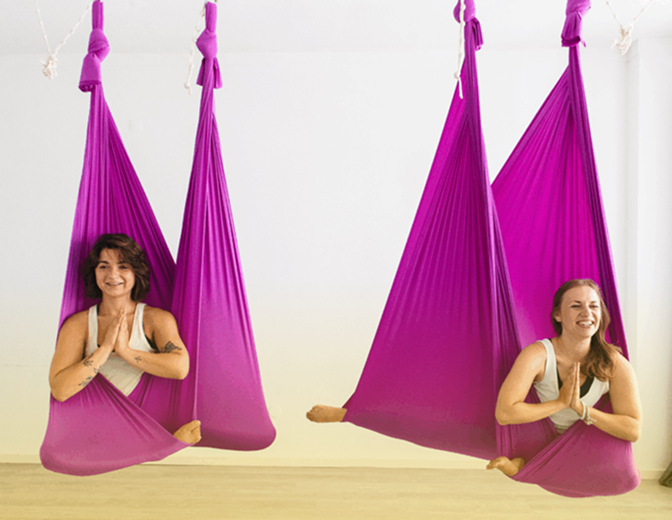
The bar for getting started is lower than most parents expect. If you are based in Auburn and looking for the right place to start, Insumataq Studio’s kids’ yoga program “Preteen Aerial Silks”(designed specifically for ages 8 to 16) is just what you need.
The single most important factor in a good kids’ yoga class is the teacher, not just someone with adult yoga training, but someone who genuinely understands children, how they move, how they think, and what actually keeps them engaged. That is exactly what Insumataq has put in place: a certified kids’ yoga instructor leading age-specific groups in a studio that has spent years understanding how the body and mind work together.
Conclusion
Most activities children try growing up come with a finish line: a season that ends, a level they age out of, a skill that stops being relevant. Yoga is nothing like that.
Researchers propose that the earlier children begin, the more they carry into adulthood: future generations that are simply better equipped to handle stress, regulate themselves, and stay grounded in who they are. This is what makes this worth paying attention to as a parent. Not the flexibility, not the poses, not any single benefit in isolation, but the fact that the emotional resilience, self-esteem, and social skills children build through yoga are tools that serve them throughout their entire lives, not just during childhood.
You don’t need to have it all figured out before starting. If you’re in Auburn and want that to start to happen in the right environment, Insumataq Studio’s kids’ yoga program is the way. For more information about this program, feel free to contact us +1 7077249522 .