

You may not realize in your daily chaos, but your nervous system is working nonstop in the background.
It responds to everything from deadlines to noise and screens to every single thought that you carry all the time. This constant stimulation can leave your body stuck in a state of alert, even when there’s no real threat. This may be the reason you might be feeling tense, restless, tired but wired, or unable to fully relax.
However, this is not a personal failure. In fact, it’s your body’s natural response to prolonged stress as well as fast-paced living. When the nervous system stays in survival mode for too long, it affects sleep, focus, digestion, mood, and even emotional balance.
Let’s explore why your nervous system gets stuck in “high alert” mode and what it does to your body and mind. We’ll also break down how you can reset your nervous system.
What the Nervous System Actually Does
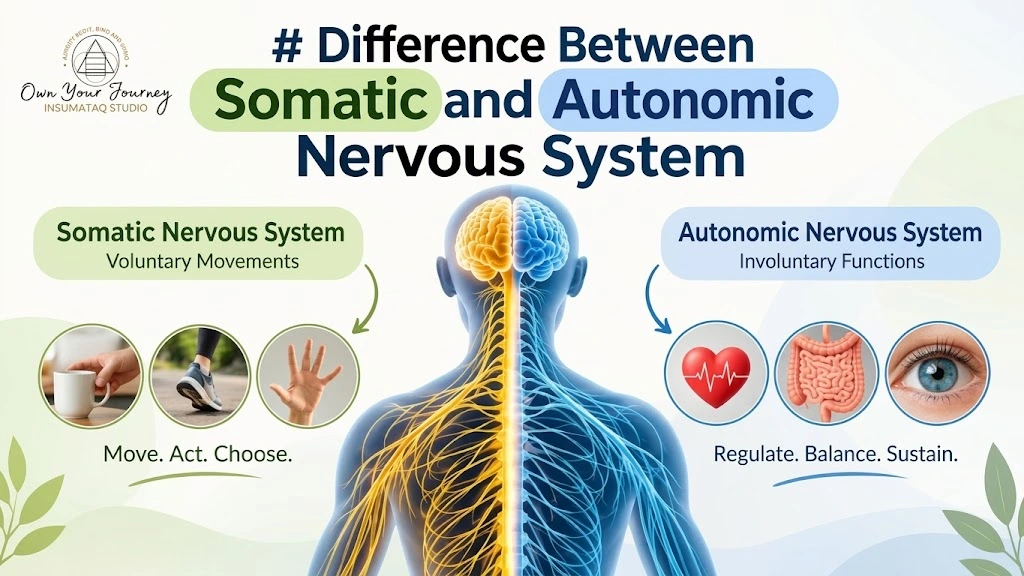
Your nervous system acts like your body’s control center. It persistently gathers information from inside you and around you, and then it decides how your body should respond.
Every sensation, thought, movement, and emotional response passes through your nervous system first. When you touch something hot or feel nervous before a meeting, your nervous system is coordinating that response.
At its core, your nervous system has one main job: to keep you safe as well as functioning. It constantly scans your environment for signals and decides whether you need to act or rest. Your nervous system increases alertness, tightens muscles, and raises your heart rate when it senses pressure. When things feel safe, it slows those processes down and allows repair as well as recovery to take place.
To put it simply, your nervous system is meant to shift back and forth throughout the day. Alertness helps you handle challenges. Similarly, calm allows your body to restore itself. But trouble begins when the nervous system stays in alert mode for too long.
4 Signs Your Nervous System Is Dysregulated
When your nervous system spends too much time in survival mode, the effects show up in everyday ways. They are not always dramatic. Often, they appear as patterns you start to live with and assume are normal.
These signals reflect how your body is coping beneath the surface when you pay attention to them.
Chronic Anxiety or Stress You may feel mentally busy, rushed, or unable to fully relax, even during quiet moments. Your body stays prepared for problems that are not actually happening. This means that your nervous system is spending too much time in survival mode and not enough time in recovery mode.
Trouble Sleeping Falling asleep becomes challenging when your nervous system struggles to settle. You may feel exhausted but alert at night. Plus, falling asleep may take longer or you may wake frequently without any clear reason. This usually happens because the body has not received enough signals that it is safe to fully rest.
Digestive Upset And Ongoing Fatigue Stress directly affects digestion as well as energy levels. You may also notice bloating, discomfort, or irregular digestion alongside low energy. In fact, you might still feel drained even after resting properly. This occurs because the body is using energy to stay alert instead of supporting digestion and restoration.
Feeling Constantly “on Edge” Small noises, interruptions, or changes may feel overwhelming sometimes. You might even feel irritable, jumpy, or easily overstimulated. This isn’t your personality flaw. Even small things can feel like too much when your nervous system is under constant stress. However, this reaction isn’t about being oversensitive. It is your nervous system that’s reacting because it does not have enough opportunities to slow down and rest.
Why Your Nervous System Needs a Reset
Your nervous system is designed to handle stress in short bursts, not as a constant state. When it stays activated for too long, the body loses its ability to shift back into rest and recovery. A reset helps restore that balance so your system can function the way it was meant to.
The body stays on high alert if it doesn’t get a reset often. This has a long-term effect on both physical and mental health, even if it’s not obvious.
A nervous system reset is important because it helps
- Reduce constant stress signals that keep the body tense as well as reactive.
- Support deeper sleep by allowing the body to fully power down at night.
- Improve digestion and energy by shifting the body out of survival mode.
- Increase emotional stability as well as reduce irritability or overwhelm.
- Restore the body’s natural rhythm between activity and recovery.
Most importantly, a reset does not mean eliminating stress from life. It means teaching your nervous system when it is safe to slow down. It becomes less reactive and more resilient when the body receives consistent signals of safety. Small and intentional practices create space for recovery and help prevent stress from building to a breaking point.
What “Resetting” Really Means
Resetting doesn’t mean forcing yourself to calm down or stop stress from showing up. It is about helping your body shift out of one state to another.
A reset begins when the body is given repeated signals that it no longer needs to stay on guard. Simple acts (like slow breathing, gentle movement, or mindfulness) work because they communicate safety at a physical level. These signals reach the nervous system faster than thinking or reasoning ever could.
Certain practices can help you change how your body responds to everyday life. Your body becomes better at recovering more easily. Rest begins to feel accessible instead of forced.
How to Reset Your Nervous System
Resetting your nervous system works best when you involve the body, not just the mind. This is because stress isn’t stored only in thoughts. They are stored in muscles and subconscious responses as well.
The practices below focus on changing those patterns at their sources.
Somatic Breathwork

Somatic breathwork uses specific breathing patterns to calm the nervous system from the bottom up. The body receives a signal that it is no longer under threat when breathing becomes slow as well as controlled. This helps reduce stress hormones, lowers physical tension, as well as allows the system to shift out of survival mode. This further sends a direct signal of safety to the nervous system that helps it shift out of fight-or-flight mode.
Somatic Movement

Somatic movement helps release tension that builds up in the body during prolonged stress. This intentional movement allows the nervous system to discharge stored activation. It also supports nervous system regulation by teaching the body that movement does not always mean urgency or danger. Additionally, it helps reset the nervous system by gently releasing patterns of tension and activation held in the body. Over time, this restores balance, reduces baseline stress, and supports a return to calm and stability.
Mindfulness and Stillness

Mindfulness and stillness give your nervous system a break from constant input. It’s a practice that helps you pay attention to the present moment. And stillness is the inner quiet that arises when the mind is no longer pulled in every direction. Together, they both help us step out of automatic living and shift into intentional awareness. Mindfulness doesn’t try to stop the thoughts. Instead, it changes the relationship with them. It reduces the constant mental stimulation that further allows the nervous system to reset.
Breath-Led Slow Yoga

It’s a mindful movement practice where the breath leads every action, and movement follows naturally. At first, breath-led slow yoga doesn’t feel dramatic. There’s no rush, no pushing, and no sense of “getting somewhere.” Something subtle happens when the breath leads. The body stops bracing and the shoulders soften without being told to. When movement follows the breath at a slow pace, the nervous system receives repeated cues of safety. This helps the body let go of guarding and return to a state of ease.
PSYCH-K®

PSYCH-K® is a process that’s designed to shift deep subconscious beliefs that influence thoughts, emotions, as well as automatic reactions. Much of the nervous system’s reaction is shaped by old belief patterns that were formed during earlier experiences. Even when the present moment is calm, these beliefs can keep the body responding as if a threat still exists. This is where PSYCH-K® therapy helps by interrupting this pattern. It helps reduce the chronic nervous system looping. Instead of temporary calming, belief shifts can lower the nervous system’s default level of alertness over time.
Conclusion
Your nervous system works all the time, even when you’re not working. But chronic stress, old patterns, as well as constant mental noise, can leave it stuck in a heightened state of alert. Every single day, your nervous system carries the weight of stress, habits, and unprocessed emotions, which often leave you stressed, overwhelmed, or out of sync with your body.
Practices like somatic breathwork, somatic movement, mindfulness and stillness, breath-led slow yoga, and PSYCH-K® all provide effective ways to restore balance and help your nervous system function optimally. At Insumataq Studio, we offer all of these classes, designed to help you release tension, calm your mind, and reconnect with your body. If you’re ready to give your nervous system the reset it needs, start your classes today or view our calendar to find available dates and times that suit you.