

Some wounds don’t bleed. They hide in the way you flinch when someone raises their voice, in the relationships you keep sabotaging, in the constant feeling that you are too much or never enough.
Childhood trauma doesn’t stay in childhood. It follows you into your adult life and quietly shapes how you think, feel, love, and see yourself (often without you even realizing it). The toughest part is that many people don’t even recognize what they’re carrying because trauma isn’t always abuse or a single catastrophic event.
Sometimes, it’s growing up in a home where your emotions were dismissed, and love felt conditional. If any of this resonates with you, this guide is for you. In this guide, you’ll find everything you need to understand childhood trauma, recognize its signs, and take real steps toward healing.
What is Childhood Trauma?
Childhood trauma is any deeply distressing experience during childhood that overwhelms a child’s ability to cope.
When something overwhelming happens during childhood, the brain doesn’t file it away like a normal memory. Instead, it stores it as an unresolved wound, one that continues to affect how a person thinks, feels, and behaves long into adulthood.
The American Psychological Association describes trauma as an emotional response to a terrible event. But what makes childhood trauma uniquely damaging is timing. A child’s brain is still developing. Their emotional regulation, self-worth, and understanding of the world are all being built in real time, and trauma interrupts that construction at the foundation.
This is why childhood trauma doesn’t just hurt in the moment. It rewires the way you see yourself, relationships, and safety for years, sometimes decades, afterward.
How Childhood Trauma Lives in Your Body
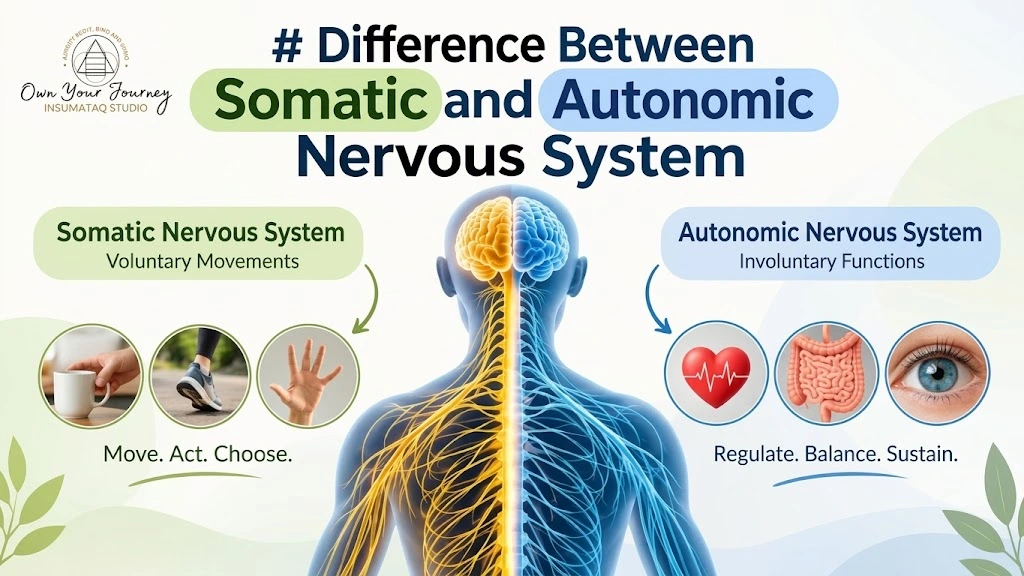
Most people think trauma is a memory, something stored in the mind that you can eventually think your way out of. But that’s not how it works. Stored Trauma actually lives in the body long after the experience is over. Your nervous system holds onto it, treating old threats as if they are still present, still dangerous, and happening right now.
When a child experiences trauma, the brain activates a survival response: fight, flight, or freeze. This is a protective mechanism. But when trauma goes unresolved, the nervous system gets stuck in that state of high alert. It never fully switches off.
As an adult, this shows up in ways that feel confusing:
- Chronic tension, pain, or fatigue with no clear medical cause.
- Hypervigilance (constantly scanning for danger, even in safe environments
- Emotional flashbacks (suddenly feeling intense fear, shame, or helplessness out of nowhere).
- Digestive issues, headaches, and a weakened immune system, because prolonged stress has a direct physical cost.
- Difficulty sleeping (a nervous system that never fully relaxes cannot rest properly).
Your body never lies. It has been sending signals for years, but you just weren’t given the language to understand them. This is why healing childhood trauma requires more than just talking about it.
The Impact of Childhood Trauma
Childhood trauma doesn’t end when childhood ends. It moves with you into your relationships, your career, your sense of self, and your health. What was experienced at 7 or 12 quietly dictates decisions made at 25, 35, and beyond.
The impact isn’t always dramatic; sometimes it’s the relationship you keep abandoning before it gets too serious. The success you self-sabotage right before it becomes real. The chronic anxiety that has no clear reason but never fully leaves.
Here’s where childhood trauma leaves its mark:
On Mental Health
- Increased risk of depression, anxiety, and PTSD
- Persistent feelings of shame, worthlessness, and self-doubt
- Difficulty regulating emotions; going from zero to overwhelmed in seconds
On Relationships
- Deep fear of abandonment or being too dependent on others
- Difficulty trusting people, even those who have never given you a reason not to
- Attracting or staying in relationships that mirror the dysfunction of your childhood
On Physical Health
- Higher risk of chronic illness, autoimmune conditions, and heart disease
- Disrupted sleep patterns and persistent fatigue
- A body that’s constantly in survival mode, slowly burning itself out
The most painful part of childhood stored trauma’s impact is that most people don’t connect their present struggles to their past experiences. They blame themselves. They call it a personality flaw and wonder why they can’t just be normal.
Can Childhood Trauma Be Fully Healed?

This is the question every survivor eventually asks. And it deserves an honest answer, not a hopeful cliché.
Healing from childhood trauma doesn’t mean you forget what happened. It doesn’t mean you stop feeling things. And it also doesn’t mean one day you wake up and the past is gone. What it actually means is that the past stops making decisions for you.
Currently, your childhood trauma is likely driving behaviors you don’t fully understand. Childhood trauma rewires the brain during its most critical years of development. It shapes how you process fear, how you form relationships, and how you value yourself. That rewiring is real. But it is not permanent.
Science has confirmed that the brain retains the ability to change throughout your entire life. The same brain that was shaped by trauma can be reshaped by healing. Old patterns can be broken. New responses can be built. The nervous system that learned to expect danger can be taught what safety feels like.
Here are three things that determine whether someone heals or stays stuck:
- Acknowledgment: You cannot heal what you refuse to look at.
- Processing: Thinking about trauma is not the same as healing.
- Consistency: There’s no single breakthrough.
Ultimately, healing from past trauma isn’t something that naturally happens to you. It’s something you choose repeatedly, uncomfortably, and on days when it feels completely pointless.
Ways to Heal from Childhood Trauma
Different approaches work for different people, and the most important thing is finding what works for your nervous system, your history, and your life.
Here are some of the most widely used and effective ways to heal:
1. Somatic Therapy
Somatic therapy works directly with traumas that are stored in the body using movement, breathwork, and body awareness. This helps release what talk therapy for childhood trauma alone cannot reach. It doesn’t ask you to relive the past. It just asks your body to finally let it go.
2. PSYCH-K®
Childhood trauma doesn’t just create painful memories. It creates beliefs that live in your subconscious and drive your behavior without you even realizing it. PSYCH-K® works directly at the subconscious level to identify and rewrite these limiting beliefs, replacing them with ones that actually serve you.
3. Breathwork
A traumatized nervous system is a dysregulated one. It’s either constantly on high alert or completely shut down. Breathwork is one of the most direct and science-backed tools for resetting it. Controlled breathing activates the parasympathetic nervous system.
4. Personal Breakthrough Sessions
Sometimes healing requires more than weekly therapy. It requires an immersive, focused process that gets to the root faster. Personal Breakthrough Sessions at Insumataq Studio combine NLP, PSYCH-K®, and subconscious reprogramming to help you identify the exact patterns of trauma built and dismantle them at the source.
A trauma-informed therapist understands how the nervous system works, doesn’t push you to relive experiences before you are ready, and works with your body as much as your mind. At Insumataq Studio, we follow this approach because trauma deserves more than a one-size-fits-all approach.
Know More: 10 Ways to Release Stored Trauma from Your Body
Conclusion
Childhood trauma doesn’t fade with time. It shows in your reactions, your relationships, and your body until you decide to actually deal with it. Recognizing it matters. But recognition alone changes nothing. The trauma doesn’t care that you understand it.
There will be days when it feels like too much. But every single person who has come out the other side will tell you the same thing: the only thing harder than healing is spending the rest of your life not doing it.
You have carried this long enough.
At Insumataq Studio, we work with people who are done surviving and ready to actually live. If that is you, we are ready when you are.