

Your body often speaks louder by the end of a demanding day. It’s the first to show signs of strain before you consciously register stress. Because of this stress, your breathing might sometimes become shallow. You might even feel physically restless, heavy, or unusually tired even without intense physical effort.
Those responses reflect how your body holds emotional pressure over time. Stress is processed through the nervous system, not only through thoughts. When stress responses are repeated and left unresolved, the body stays in a state of readiness. This can also affect your posture, movement patterns, sleep quality, and overall energy levels. The difficult part is simply resting or distracting the mind does not always release this tension.
This is where dance therapy can help. Let’s discover how dance therapy can help you heal and release emotional stress.
How Stress is Stored in The Body
Stress isn’t a type of emotion that disappears once a difficult moment passes. It is defined as the body’s physical, emotional, and mental reaction to pressure, demands, or perceived threats that trigger fight-or-flight mode.
When the body perceives a threat (whether physical or emotional), it activates survival responses designed to protect us. Sometimes, the muscles tighten, breathing becomes shallow, and the nervous system shifts into a state of alert. The body remembers if these responses are not resolved. And eventually, repeated stress can become stored as chronic muscle tension, restricted movement, and altered posture, all of which quietly shape how we carry ourselves day to day.
The nervous system plays a central role in this process. The body may remain stuck in “fight, flight, or freeze” mode, even when no immediate danger is present, if the stress is ongoing. Sadly, it can affect digestion, sleep, energy levels, as well as emotional regulation.
How Dance Therapy Can Help You Release Emotional Stress
Dance therapy (or Dance/Movement Therapy) is a psychotherapeutic approach using dance and movement. It fosters emotional, cognitive, physical as well as social integration that helps people improve health, well-being, and self-awareness.
The nervous system receives signals that it no longer needs to stay on high alert when the body moves in a guided and controlled way. This shift allows muscles to soften as well as breathing to return to a steadier rhythm. Stress often limits natural movement. People may hold their bodies rigid, move cautiously, or avoid certain ranges of motion without realizing it. But healing Dance helps reverse this pattern by reintroducing safe and supported movement.
Physical tension begins to reduce as movement becomes more fluid. This process does not force emotional expression. In fact, it allows release to happen through physical regulation rather than conscious effort. Movement helps integrate emotional experiences and reconnect the mind and body as well as foster a sense of presence.
Psychological and Physical Benefits
Dance therapy helps in many ways, but it helps particularly with psychological and physical health. It works with the nervous system as well as the body at the same time. However, the benefits develop gradually through consistent movement and body awareness.
Reduced Muscle Tension and Physical Discomfort

Chronic stress keeps muscles partially contracted, even during rest. This is where Somatic dance therapy comes in. This therapy allows your muscles to release stored tension safely with gentle and repeated movements. Eventually, your stiffness in the neck, shoulders, back, and hips disappears.
Better Body Awareness and Movement Control
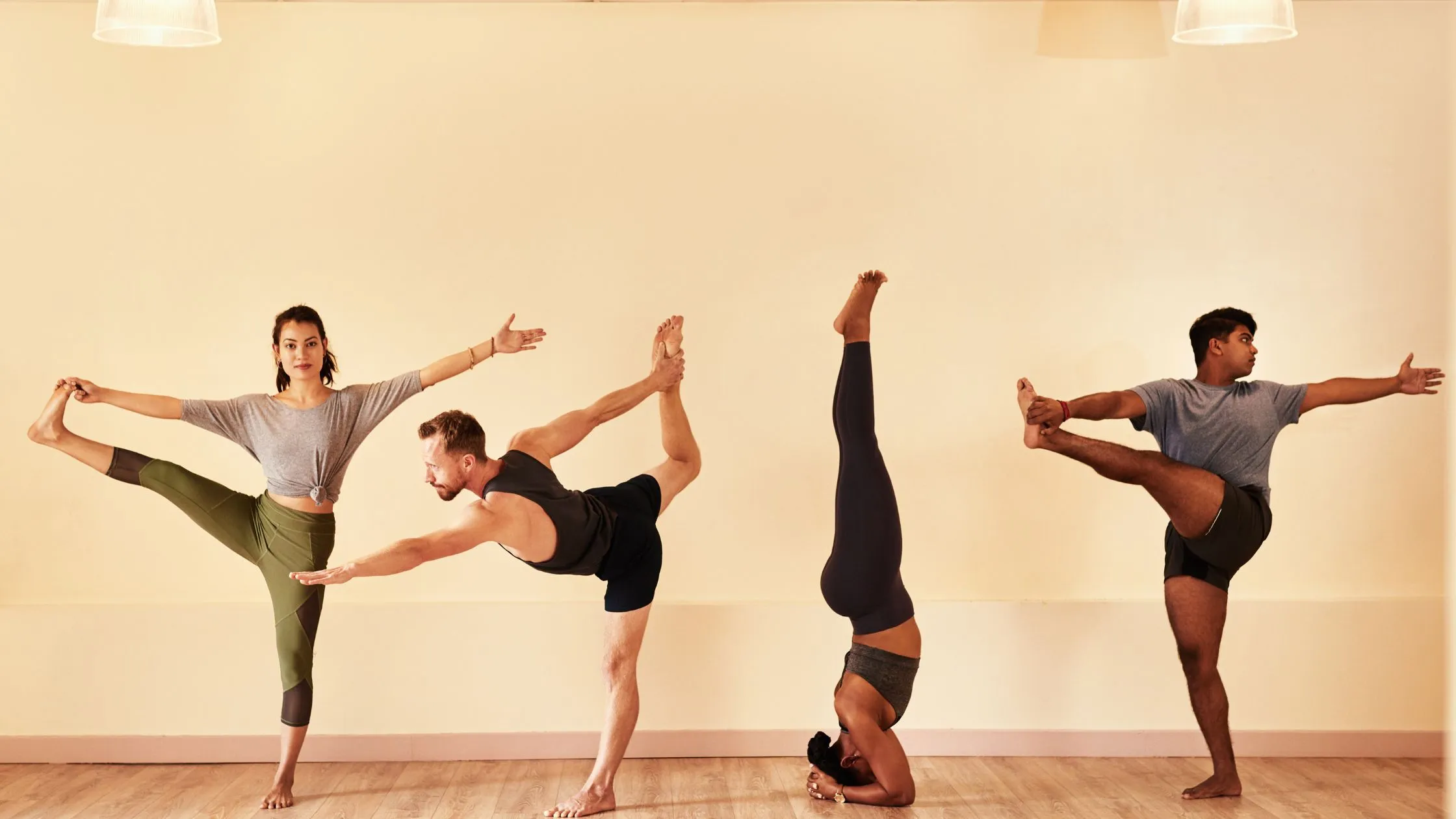
Stress often disconnects people from physical sensations, which leads to rigid or restricted movement patterns. But Somatic dance therapy helps because it rebuilds awareness of how the body moves as well as responds. This supports healthier posture, improved balance, and more efficient use of energy during daily activities.
Improved Mental Clarity and Sustained Focus

The brain receives clearer signals of safety and stability as physical tension decreases. This helps reduce mental fatigue as well as improve concentration. In fact, many people after trying notice better focus, improved decision-making, and a calmer mental state following regular movement-based therapy.
Most importantly, the benefits develop through consistency rather than intensity, which makes dance therapy suitable for a wide range of physical as well as emotional needs.
Who Can Benefit from Somatic Dance Therapy?
Dance therapy is a versatile and inclusive approach that can support a wide range of individuals (regardless of age, fitness level, or prior experience). Its focus is on personal expression and healing rather than technical skill. This particularly makes it accessible to anyone seeking relief from stress or emotional tension.
Somatic dance therapy is for you-
1. If you experience stress or anxiety frequently
Dance therapy helps calm this response through structured movement that supports physical regulation. As the body settles, stress reactions become easier to manage as well as less disruptive.
2. If you process trauma or emotional challenges
Trauma often leaves physical patterns of tension even when events are no longer there. This is where dance therapy allows the body to release this stored stress without requiring verbal expression.
3. If you want emotional awareness
Stress immensely impacts your awareness of how emotions affect the body. Dance therapy helps restore this connection by focusing on movement, sensation, and breath. This makes it easier to spot emotional cues early as well as respond clearly.
4. If you want to relieve tension and improve posture
Emotional strain often impacts the posture as well as movement habits. But guided movement helps release chronic muscle holding and restore balanced alignment. Eventually, this supports more comfortable movement and improved physical ease in daily activities.
Now, if you’re experiencing any of these, dance therapy is worth considering. But for most people, the real question is how to get started?
How to Get Started with Dance Therapy
Dance therapy does not ask you to push through discomfort or perform movements that feel unnatural. It starts with simple and guided motion that’s designed to help the body settle as well as respond differently to stress.
Early sessions focus on safety, comfort, and awareness. Progress happens through repetition and attention, not effort. Each session meets you at your current physical and emotional clarity that supports steady release rather than focusing on change. We follow this approach at Insumataq Studio.
At our studio, Somatic dance therapy is offered as part of a body-led practice that respects individual pacing. So, if you’re seeking a practical way to work with stress stored in the body, Insumataq Studio provides you with a setting where movement becomes a tool for regulation.
Conclusion
Emotional stress often remains in the body long after the situations have passed. This might affect movement, posture, energy levels, and emotional balance if this tension is not released.
Dance therapy works in your favor and supports the body’s natural ability to regulate stress through guided movement as well as awareness. Eventually, it helps you reduce stored tension, improve your nervous system, and restore ease in everyday life.
At Insumataq Studio, dance therapy is offered within a calm and supportive setting that respects individual limits as well as pace. You can check the Insumataq Studio class calendar to see upcoming dance therapy sessions and choose a time that fits your routine.