
If you’ve ever watched someone move in a suspended fabric and wondered how it actually works, you’re not alone.
Aerial silk yoga is one of those practices that looks impressive from afar. But it feels surprisingly approachable once you step into a class. Many beginners feel curious and also unsure about what to expect. It’s normal to wonder if it’s safe and whether you’ll feel out of place if you’re not adaptable.
Starting something unfamiliar can feel intimidating. But when you know what happens in a class, how the equipment is used, and what your body may experience, your first step could become easier. This guide is all you need to know about how you can begin aerial silk yoga with confidence, comfort, and a clear idea of what lies ahead.
What is Aerial Silk Yoga?
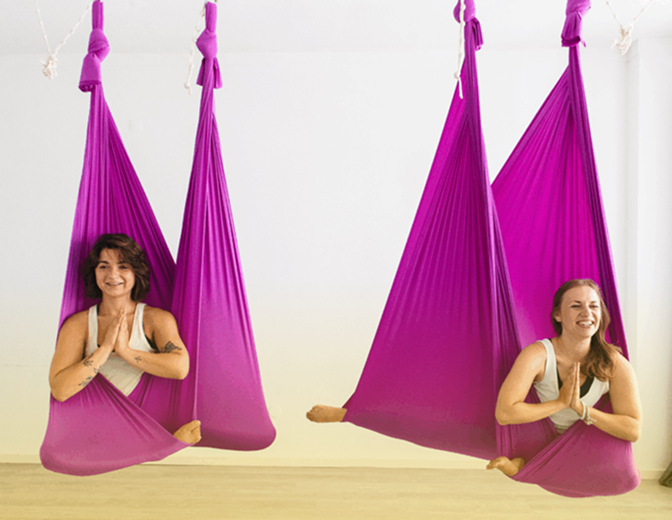
Aerial silk yoga is a form of yoga that uses a strong, soft training hanging from the ceiling to support your body during movement. The silk acts like a swing, a hammock, or a steady anchor, depending on the pose. You can either sit in it, lean into it, wrap it around your hips or back, or use it to steady yourself during balance work.
The fabric exists to help your body move with less strain. It can reduce pressure on the spine, support tight areas, and make certain positions feel more accessible. Many people find that they can stretch deep and hold poses with better control when the silk is doing part of the work.
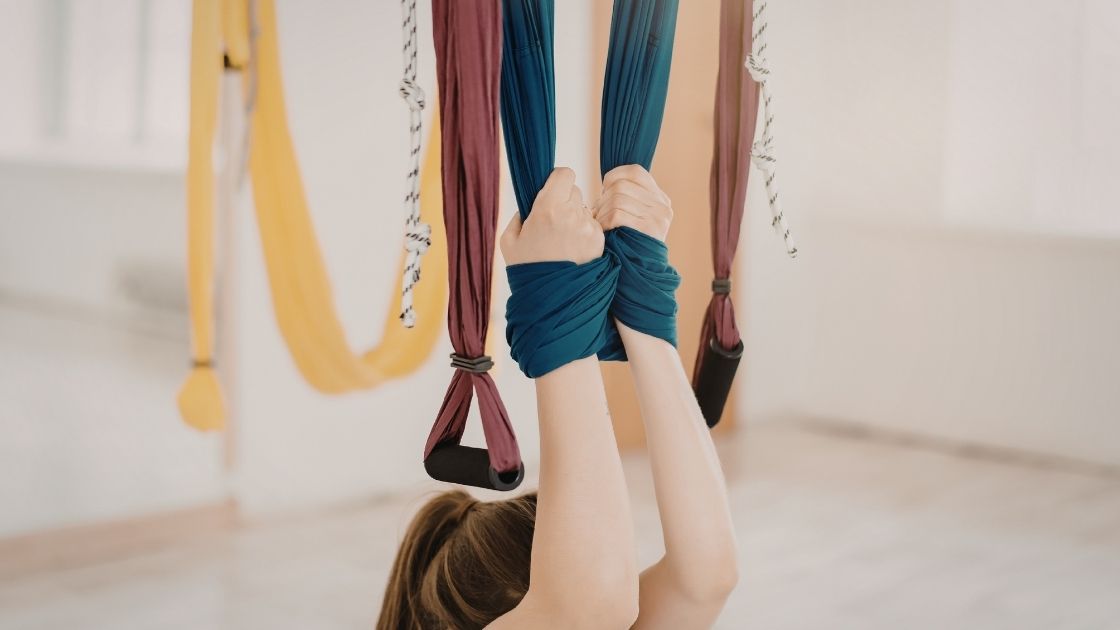
Classes usually begin close to the floor. You learn how to grip the fabric, shift weight safely, and move in and out of poses at a comfortable pace. Once you feel secure, inversions and lifted movements come later.
The History of Aerial Silk Yoga
The exact origin of aerial silks is not tied to one confirmed inventor. Instead, several key figures have shaped the discipline into what it is today.
André Simard joined Cirque du Soleil as a creative movement researcher in the late 1980s. His work focused on using the entire body to tell stories through motion. There is some debate surrounding the claim that he invented the apparatus itself.
In the early 1990s, Fred Deb expanded the practice through her training, teaching, as well as creative direction. Her background in circus arts, dance, theatre, and music brought a new depth to aerial movement. She also founded the French Aerial Dance Festival that helped the discipline gain wider artistic recognition.
Elsie Smith and Serenity Smith Forchion later strengthened the educational side of aerial arts through the New England Center for Circus Arts. They introduced structured training with a strong focus on safety as well as injury prevention.
Together, these pioneers shaped aerial silks into a respected movement practice that later found its place in yoga studios around the world.
The Benefits of Aerial Silk Yoga
Aerial fitness yoga offers real, noticeable benefits for the body and mind. The fabric is not just part of the experience. It actively supports mindful movement, reduces strain, and helps people move with more control and comfort.
Physical Benefits The fabric takes some of your weight, so your joints, hips, knees, and lower back are not under as much strain. This makes stretching feel safer and far more comfortable, especially if your body feels tight or if floor poses are hard for you. Many people also notice their posture improving, as the silk helps guide the spine into better alignment. With regular practice, your core gets stronger, balance becomes steadier, and flexibility grows without putting extra stress on the body.
Mental & Emotional Benefits When you are moving in the air, your attention stays on what your body is doing. Outside thoughts fade, and it becomes easier to stay in the moment. Your breathing slows down. Your body begins to relax. People leave the class feeling less stressed and in a better mood. They become more aware of how their body moves as well as feels. The calm and steady pace of the practice helps clear the mind and create a sense of emotional balance.
Benefits for Beginners For those trying it for the first time, the fabric works like a steady hand. It supports your weight, helps you keep your balance, and makes you feel secure as you learn new mindful movements. Poses that might seem difficult on the floor become easier to approach in the air. You move forward step by step, which builds confidence and allows you to learn without feeling rushed or overwhelmed.
How to Learn Aerial Silk Yoga
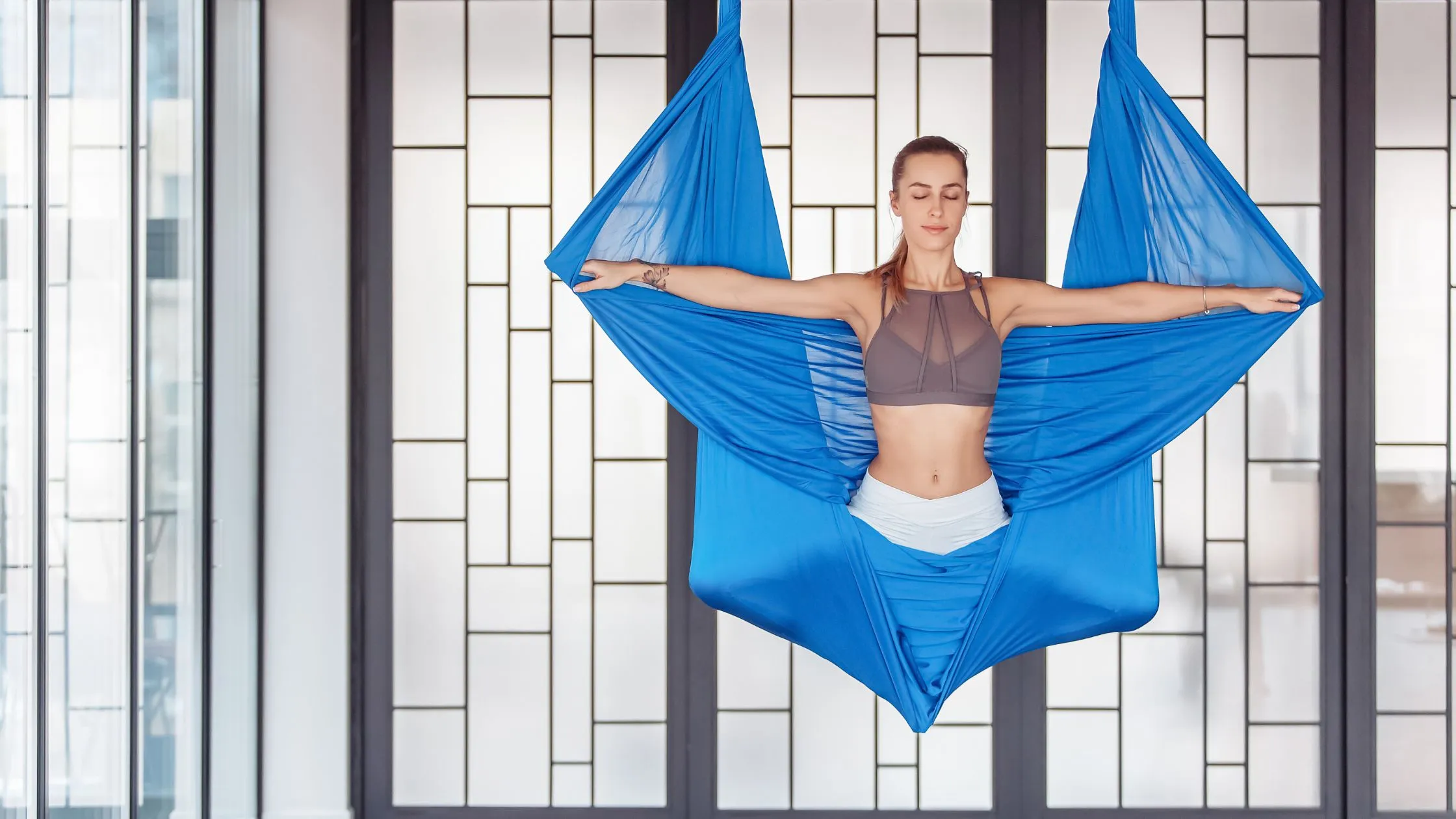
Aerial silk yoga doesn’t ask you to have a special body type, past yoga experience, or athletic background to start. What matters most is starting in the right environment and giving yourself space to learn gradually. Starting aerial silk yoga becomes much easier when you know what to look for as well as how to prepare. Because a little guidance at the beginning can shape a safer and more enjoyable experience.
Finding the Right Class/Studio If you truly want to start, you may consider studios that specialize in aerial arts or yoga with trained instructors. When you choose a studio like Insumataq Studio, they offer beginner sessions and take time to explain how the practice works. A good instructor doesn’t rush students into advanced poses. Instead, they focus on basic mindful movements, safe transitions, as well as clear guidance.
What to Expect in Your First Class Your first class is all about understanding the fabric and how your body responds to it. Most movements stay close to the ground. You will learn how to sit on the silk, shift weight safely, and move slowly into simple positions.
What to Wear & Bring You must wear fitted clothes that cover your legs and underarms to avoid skin discomfort. It is also advised to avoid wearing jewelry or sharp details that could catch the fabric.
Safety Considerations You should follow the instructions in every step and move within your limits. You can speak up if something feels wrong.
Building Progress Over Time Movements become easier with regular practice. Strength, balance, and confidence grow naturally. You improve step by step, without forcing your body or feeling overwhelmed.
Who Should Try Aerial Silk Yoga?
Aerial silk yoga suits people who want to move better, feel stronger, and try something different without putting stress on the body.
You do not need a fitness background or prior yoga experience to begin. Many practitioners walk into their first class simply looking for a way to explore aerial hammock yoga or break out of a routine that feels repetitive. This practice can offer a new sense of ease if you spend long hours sitting, deal with stiffness in your back or hips, or feel limited by floor-based exercise.
The fabric supports your body, which makes movement feel safer and more controlled. So, anyone can try it. In fact, it is also good for those who want a practice that builds strength and balance without heavy impact.
Conclusion
Ultimately, you should know that starting aerial silk yoga doesn’t require strength or prior experience. What it does require is the willingness to try something new in a space that feels safe and well-guided.
When you indulge in it, you begin to understand your limits, work with them, and gradually expand what feels possible. The environment matters just as much as the practice itself for beginners.
At Insumataq Studio, classes are structured to meet people where they are (with clear instruction and close attention to safety). You are not expected to perform. You are supported as you learn. If you are curious about trying aerial fitness yoga, the most meaningful step is simply showing up. Visit Insumataq Studio or check the upcoming classes calendar to find a session that fits your schedule. Your first class could be the start of a practice that feels both accessible and genuinely worthwhile.